

Oltre 140 aerei da combattimento, con relativo supporto dal 23 settembre all’11 ottobre 2024 hanno partecipato alla seconda edizione della RAMSTEIN FLAG.
La Ramstein Flag ( RAFL24 ) è la più recente esercitazione dell’ “Allied Air Command” della NATO, basata sulla teoria e su un contesto “accademici”, per fornire una sofisticata esercitazione “live” a livello tattico e multi-dominio che include tutta una serie di problemi realistici in un ambiente operativo complesso.
Programmata dall’ “Allied Air Command” di Ramstein, in Germania, e svoltasi in Grecia, la Ramstein Flag è la prima esercitazione incentrata su uno scenario di “Counter- Anti Access/ Area Denial”, che riflette il nuovo ambito di sicurezza degli alleati della NATO.
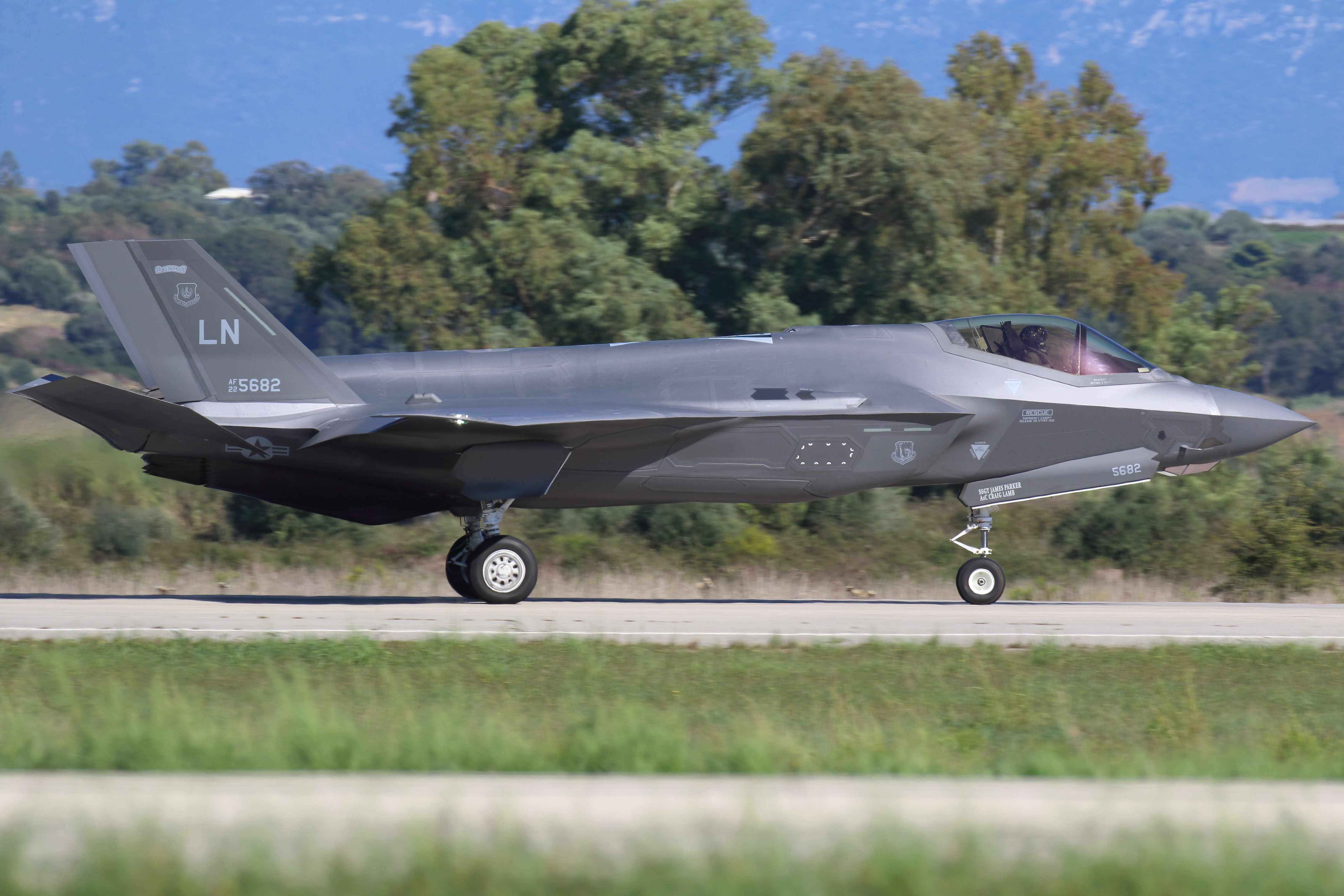
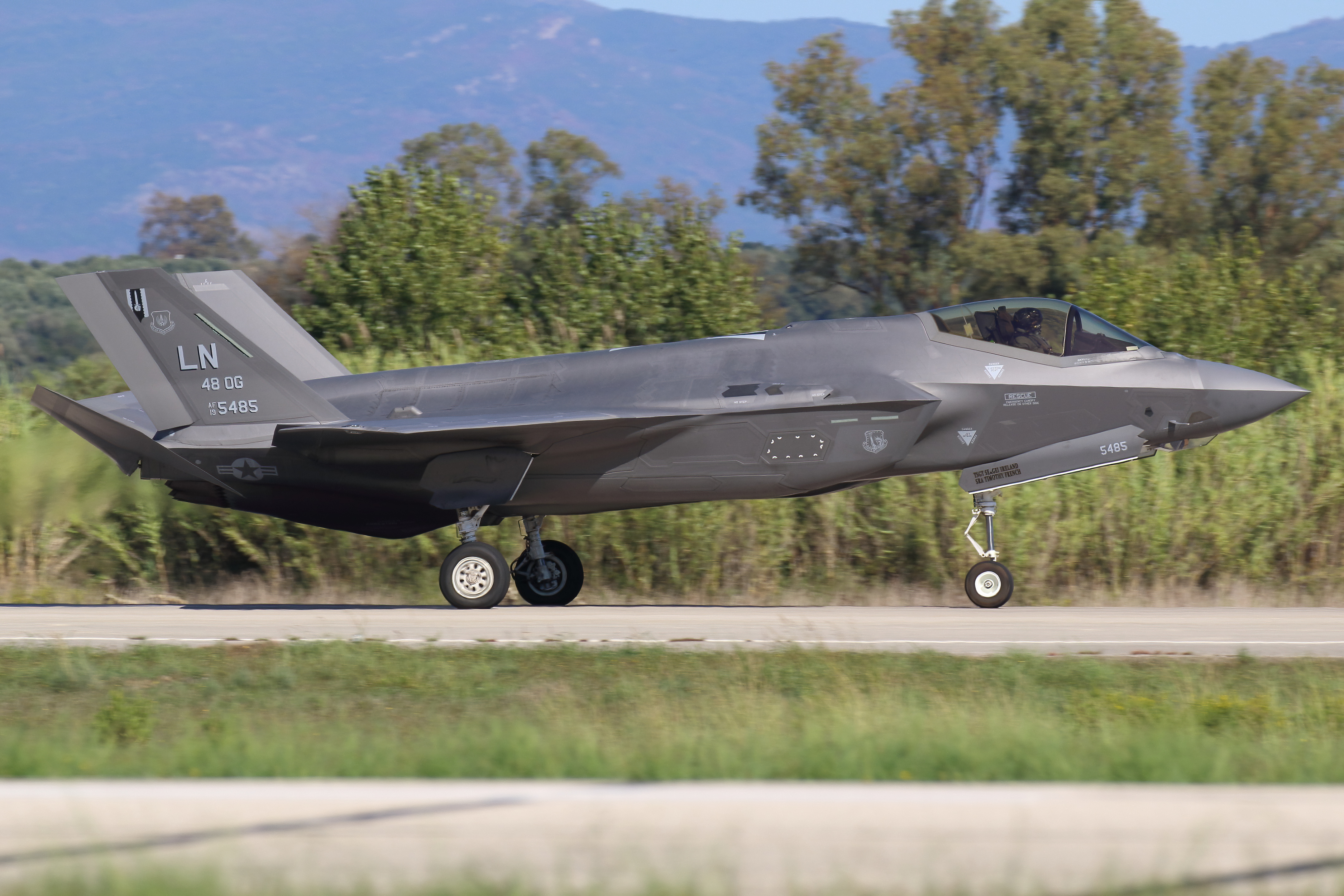
Le nazioni partecipanti in queste due settimane hanno operato da diverse basi aeree nel Peloponneso occidentale della Grecia e la base aerea di Andravida è stata la base aerea operativa principale da cui hanno operato circa il 70% dei velivoli partecipanti.
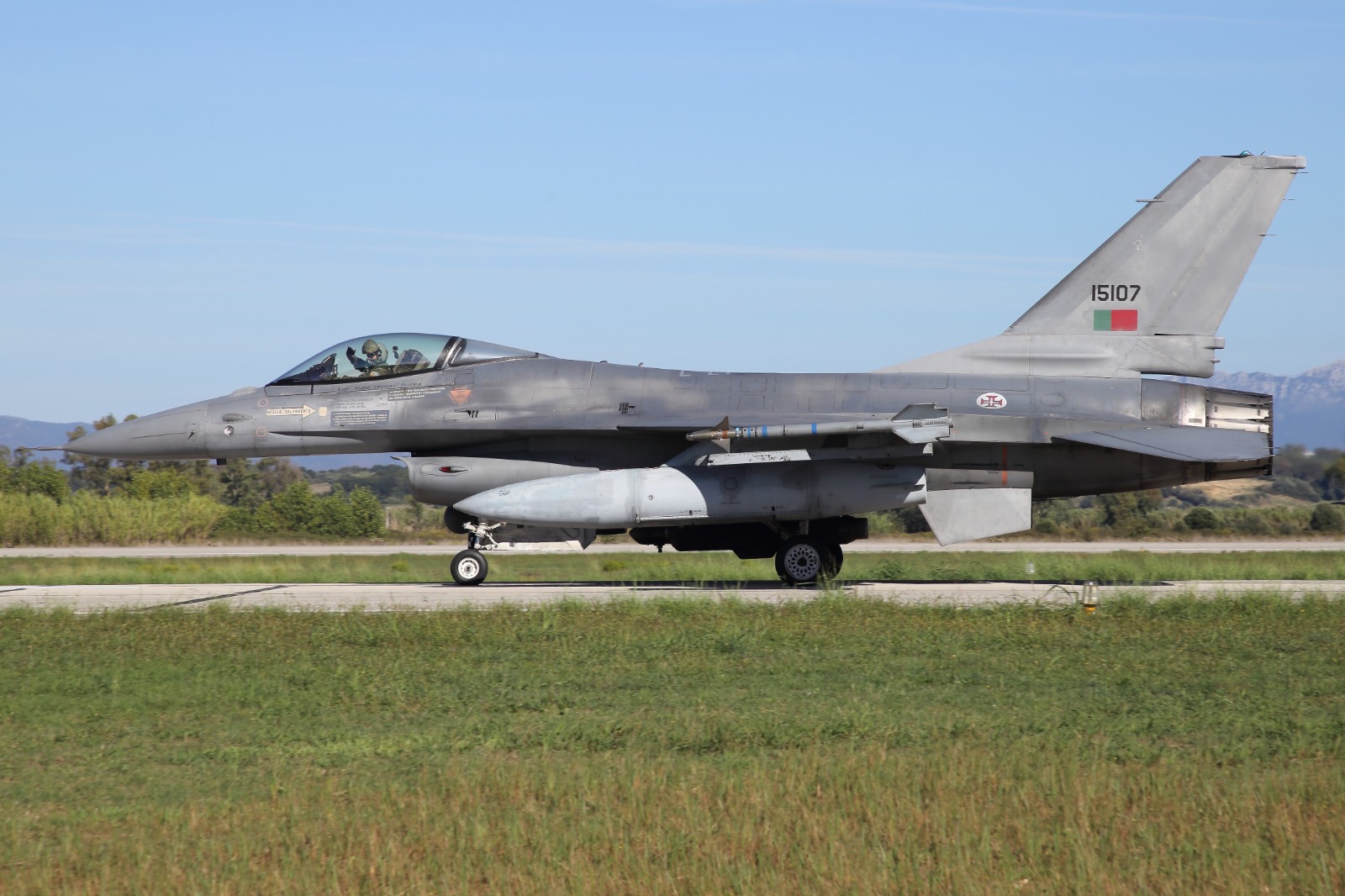
Alcuni velivoli hanno preso parte all’esercitazione direttamente dalle loro basi, come ad esempio l’Italia con velivoli F-35A e la Romania con F-16.
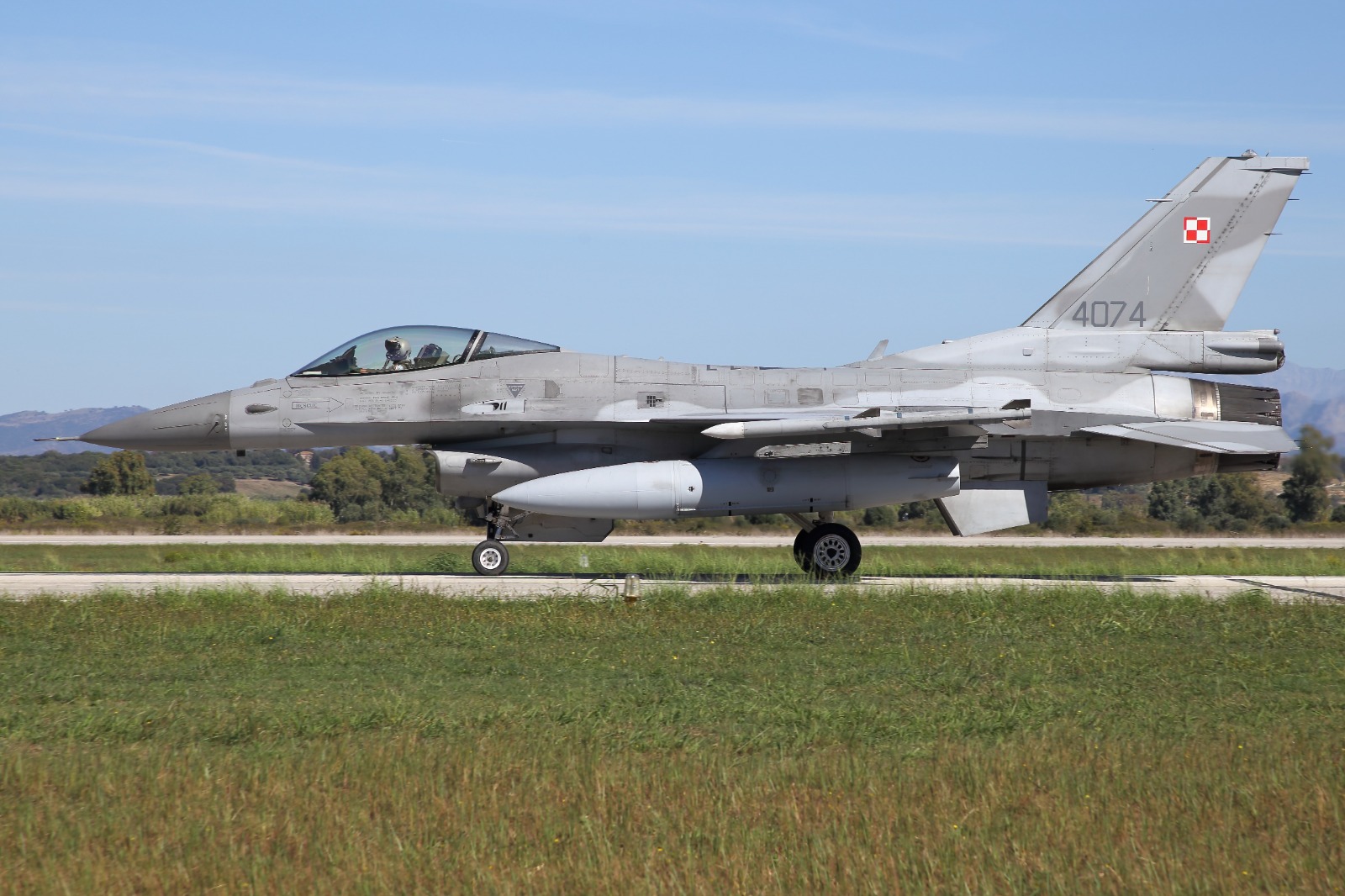
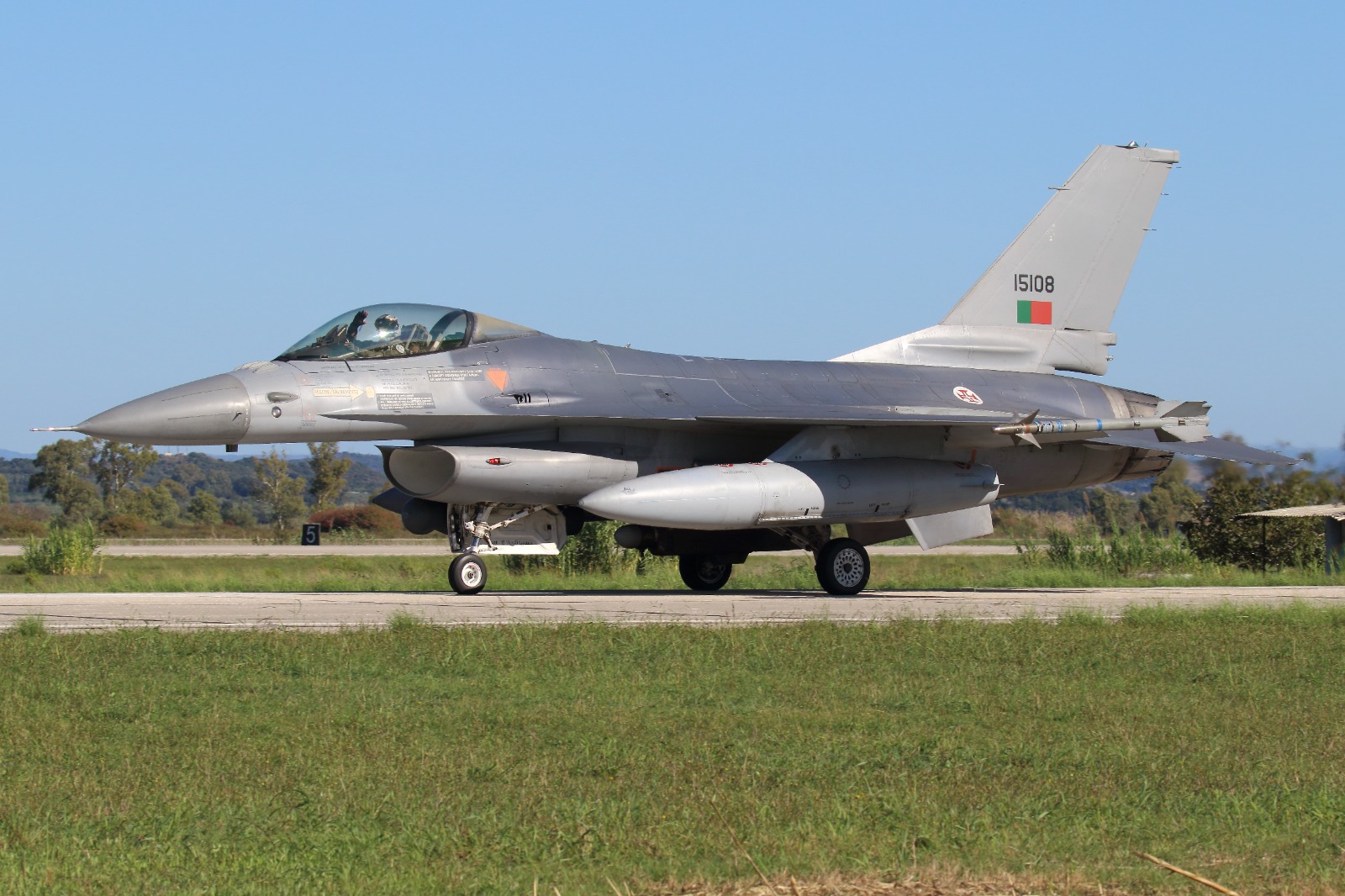
Sono 12 le nazioni alleate che hanno partecipato alla RAFL24 quali Canada, Francia, Grecia, Ungheria, Italia, Polonia, Portogallo, Romania, Spagna, Svezia, Regno Unito e Stati Uniti con i seguenti velivoli: F-35, Mirage, Rafale, F-16, Eurofighter, JAS-39 Gripen, MQ-9, Rivet Joint, E3, E7, C130 ed A400 per un totale, come anticipato precedentemente, di circa 140 velivoli.
Gli aerei da caccia, insieme alle forze marittime e terrestri, si sono esercitati in tattiche, tecniche e procedure di contrasto alle attività di accesso/interdizione di area (C-A2/AD) e di difesa aerea e missilistica integrata (IAMD); la progettazione della RAFL24 consente inoltre alle nazioni della NATO di consolidare le strategie IAMD e di difesa dai missili balistici (BMD). Una capacità altamente reattiva, robusta, tempestiva e persistente che garantisce alla NATO di proteggere al meglio le popolazioni, i territori e le forze da qualsiasi minaccia portata dai missili balistici.
La principale differenza tra le esercitazioni “Flag” e le altre è l’intensità del debriefing”. “Il debrief è il luogo in cui avviene il vero apprendimento”; dopo ogni giornata di volo, tutti gli equipaggi si riuniscono nella struttura principale per il briefing e rivedono le immagini registrate e i dati in volo delle loro missioni. Condividere le proprie esperienze e renderle trasparenti a tutta la squadra aiuta tutti a migliorare le proprie performance.
Grazie a questo intenso debriefing, i piloti beneficiano ancora di più dell’esercitazione e crescono come aviatori da combattimento. Volare nell’esercitazione a fianco e “contro” altri alleati della NATO fornisce ulteriori effetti formativi. Anche se tutti gli alleati della NATO lavorano con le stesse procedure e tattiche, lo scambio con altre nazionalità si è rivelato molto efficace, facendo progredire ulteriormente la capacità collettiva delle forze aeree alleate.
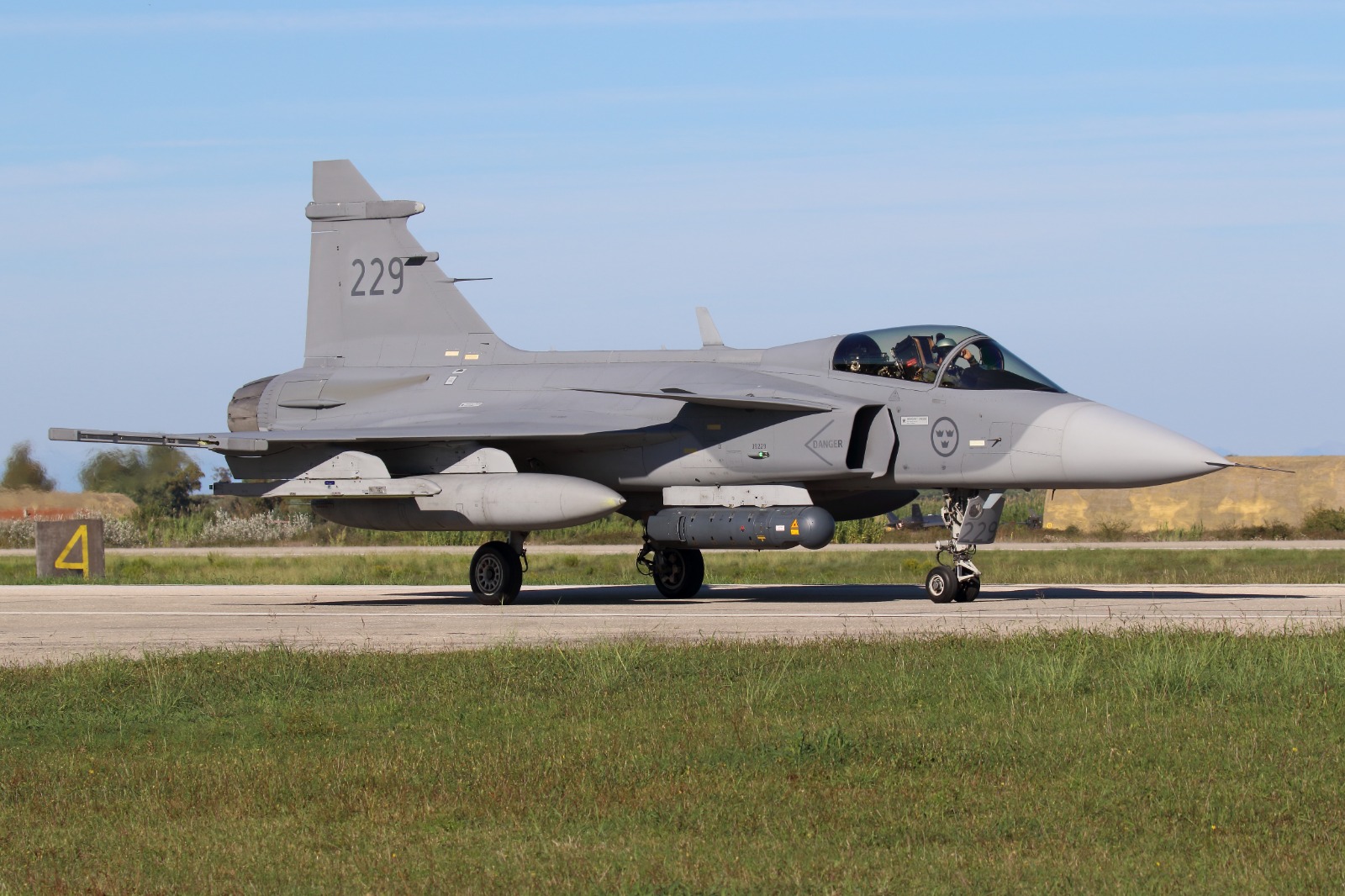
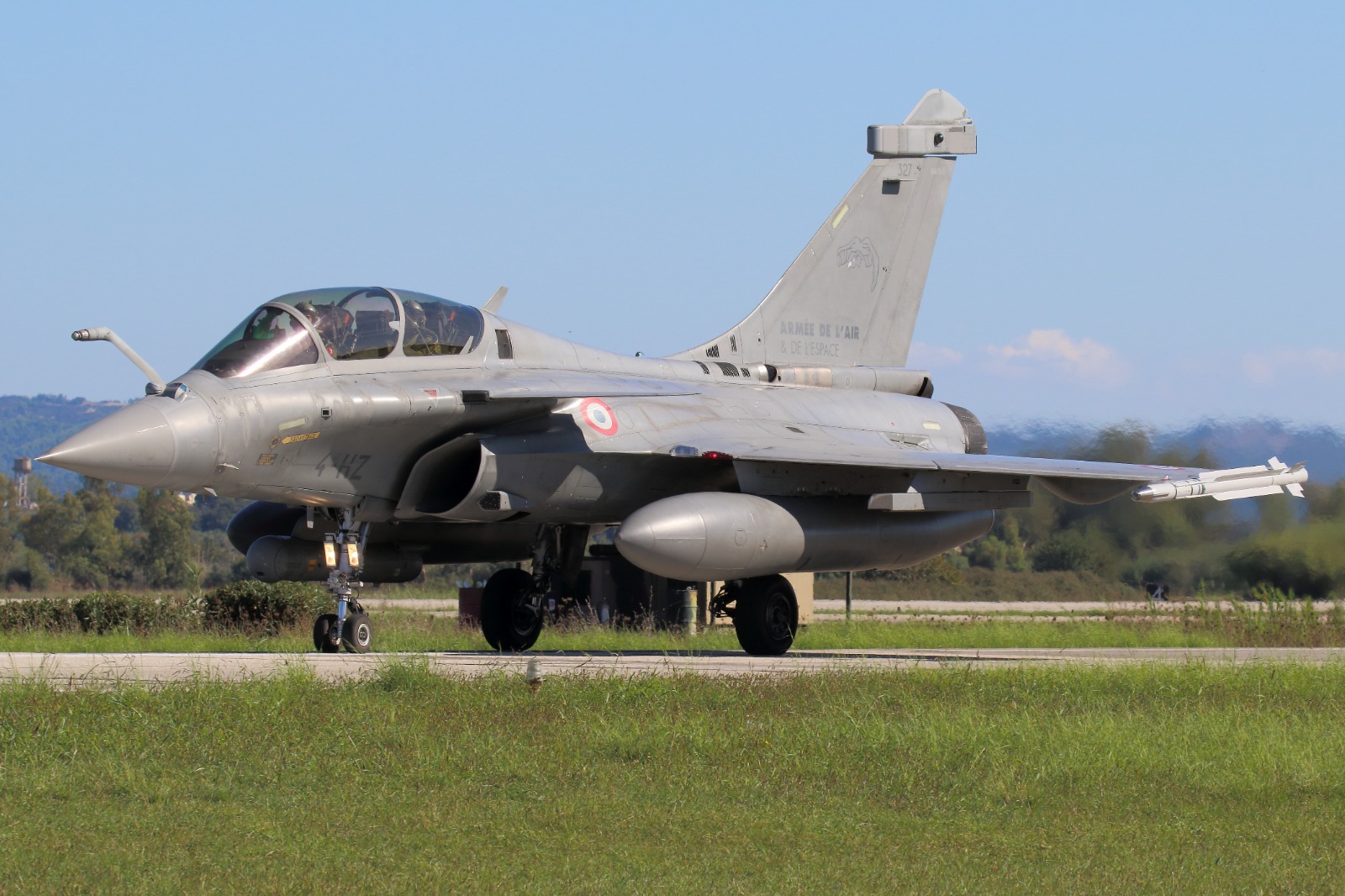
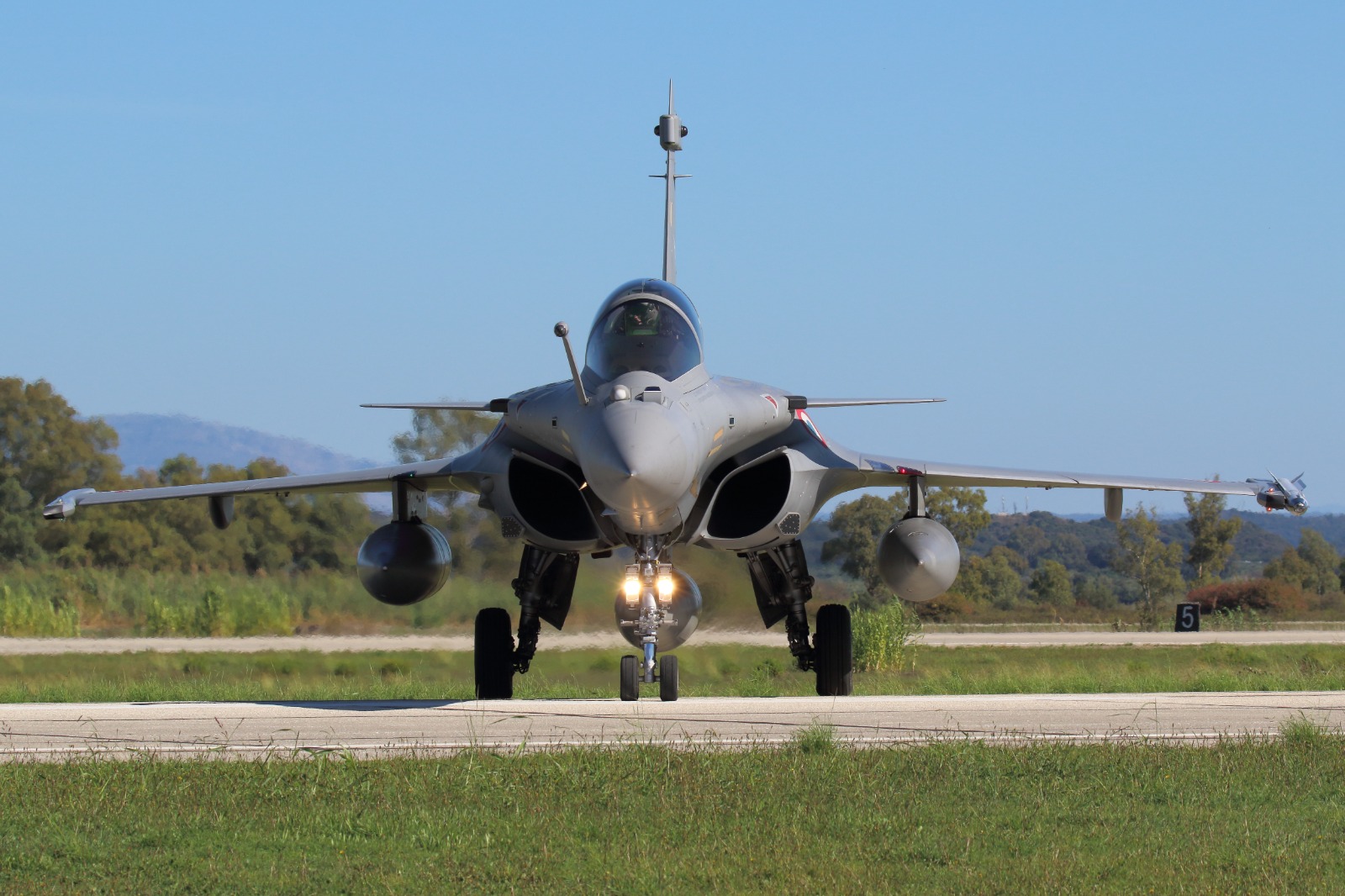
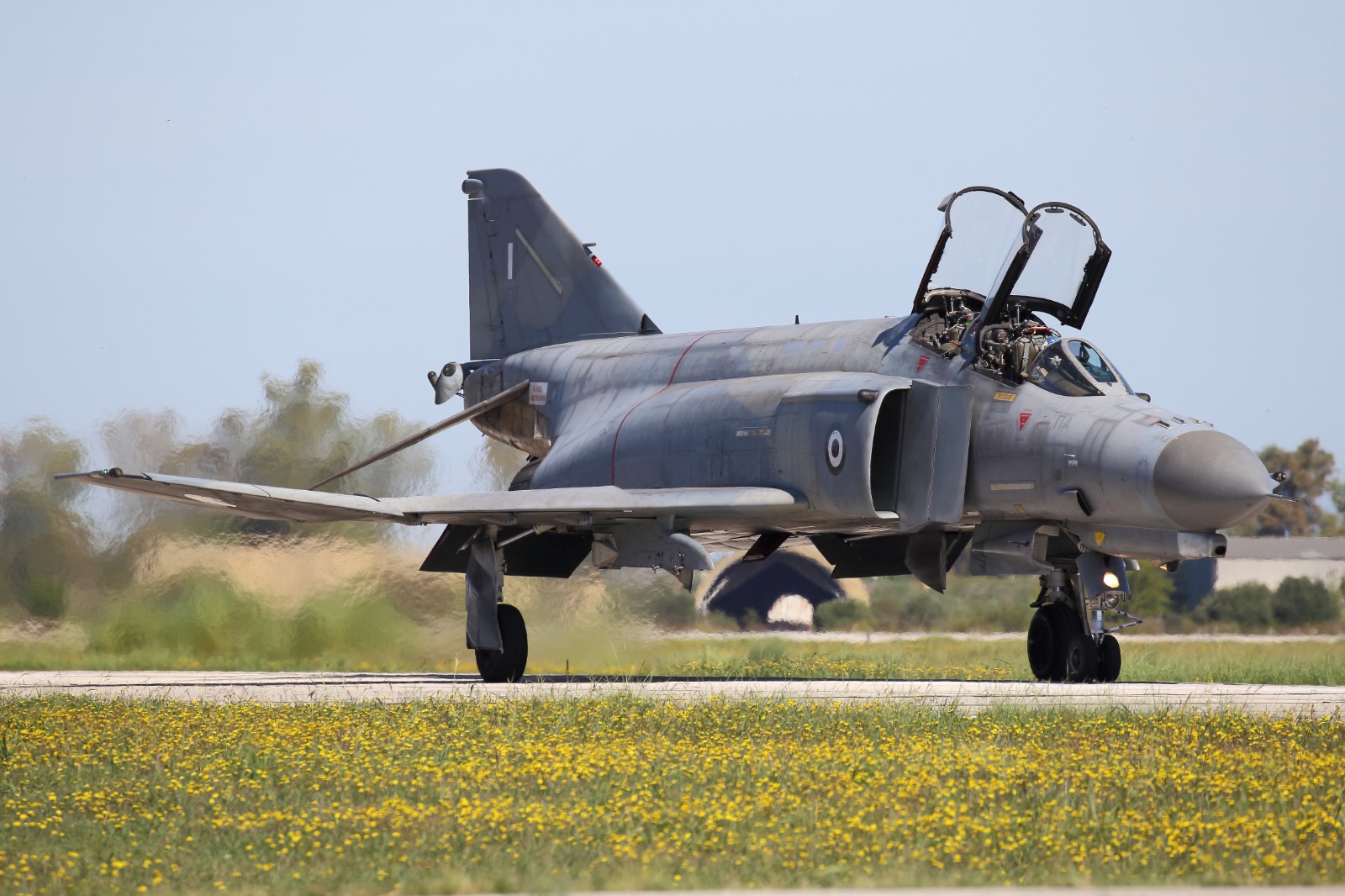
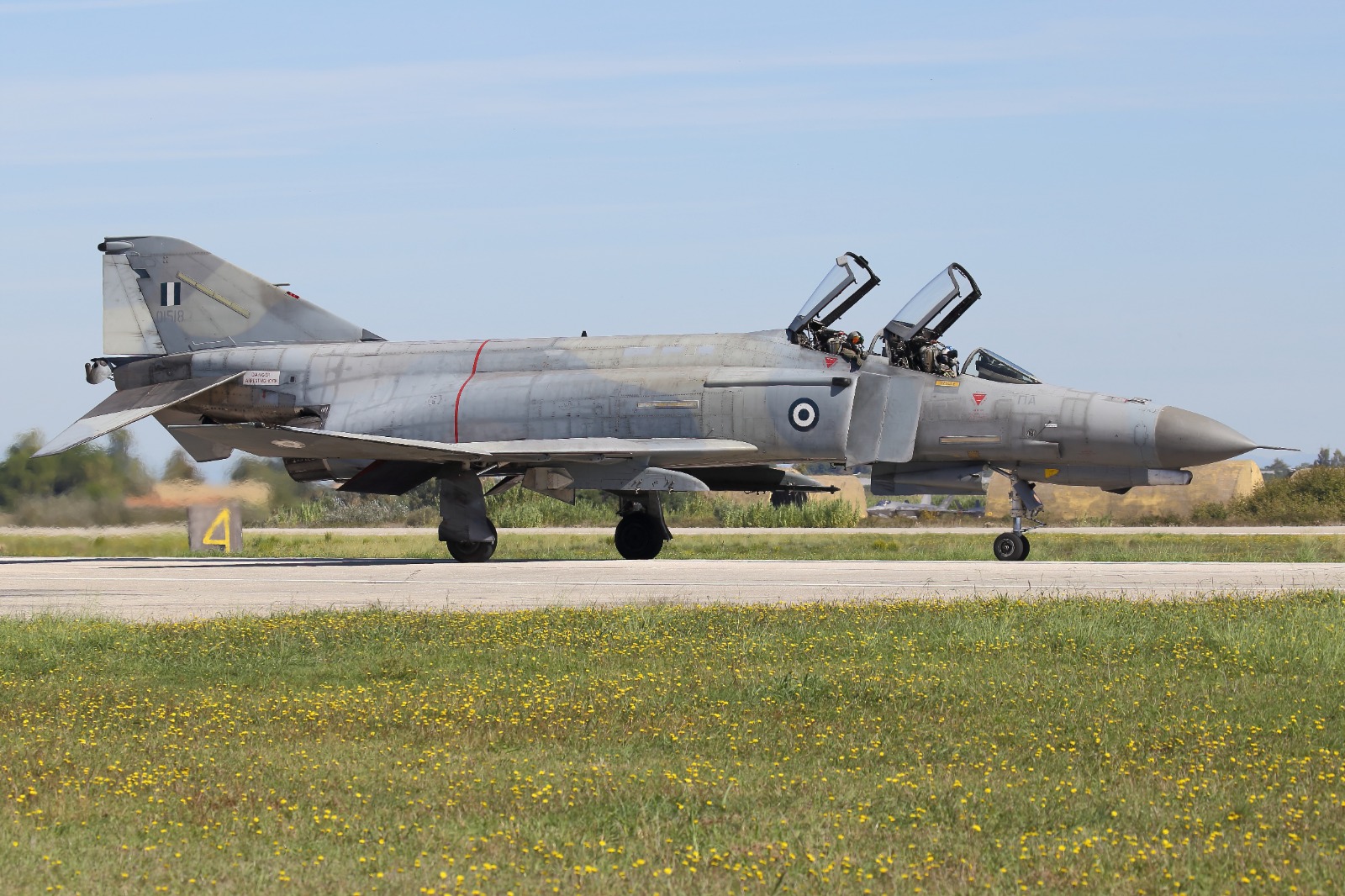
Durante l’esercitazione, per gentile concessione delle forze aeree greche, sono stati organizzati due sessioni fotografiche per gli appassionati del settore. Due “Spotter Day”, il primo in data 1 Ottobre ed il secondo in data 8 Ottobre. Il Team di Qra Aviation ha partecipato alla seconda sessione; nel corso della giornata abbiamo assistito a ben 42 decolli, tutti concentrati prevalentemente nel pomeriggio con una “wave” di 39 velivoli a partire dalle ore 13.30; l’esercitazione è terminata alle 16.45 locali. Tre invece i Phantom del 117° Stormo caccia che hanno volato nel corso della mattinata, senza però prendere parte all’esercitazione.
L’autore desidera ringraziare il Colonnello Christos Kalogeropoulos dell’Aeronautica Militare greca e l’Ambasciata d’Italia in Grecia per la gentile disponibilità.
Articolo e foto di ©Omar Rigamonti
ENGLISH VERSION
More than 140 combat aircraft and related support, from Sept. 23 to Oct. 11, 2024 participated in the second edition of RAMSTEIN FLAG.
The Ramstein Flag ( RAFL24 ) is NATO “Allied Air Command” newest theory-driven, “academia-driven” exercise to provide a sophisticated, multi-domain, tactical-level live exercise that includes a whole range of realistic problems in a complex operational environment.
Planned by “Allied Air Command” in Ramstein, Germany, and held in Greece, Ramstein Flag is the first exercise focused on a Counter- Anti Access/ Area Denial scenario, reflecting the new security environment of NATO allies.
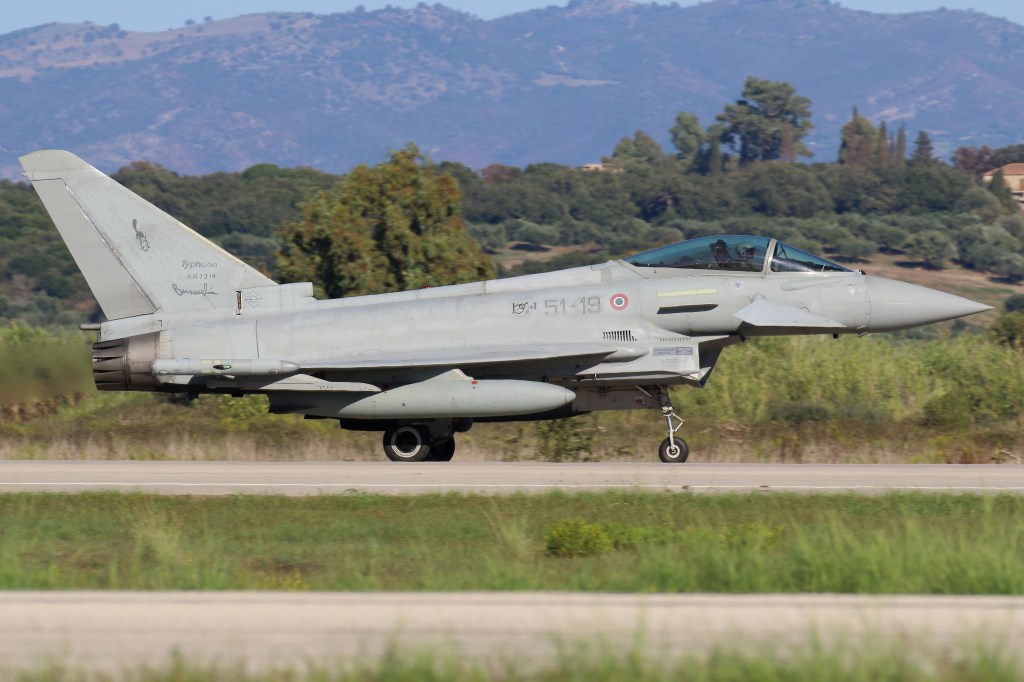
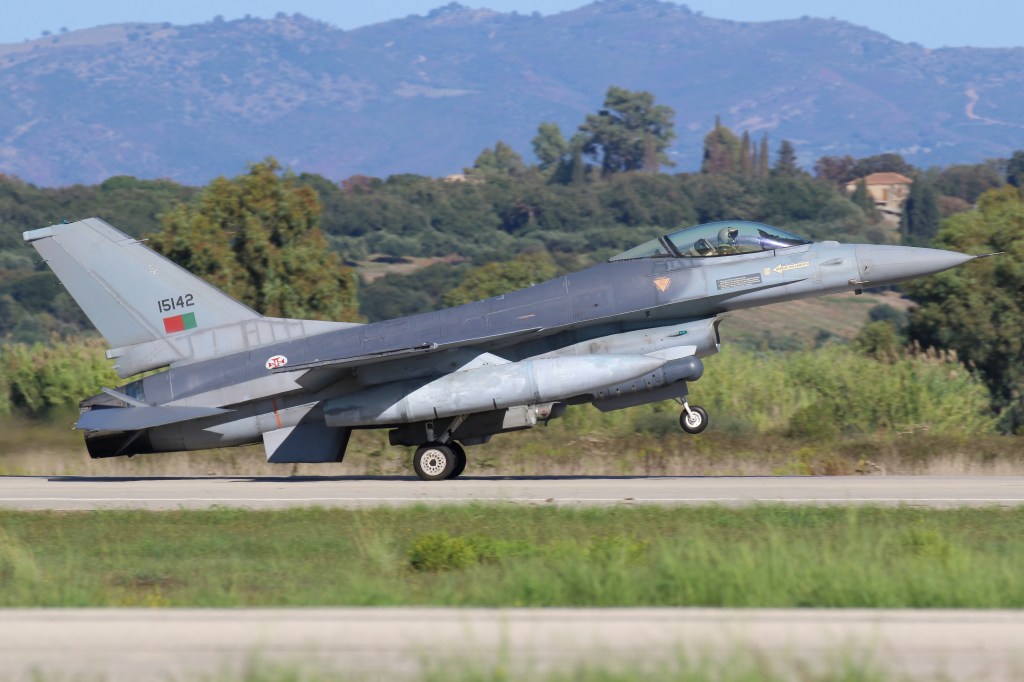


The participating nations, during these two weeks operated from different air bases in the western Peloponnese of Greece, and Andravida Air Base was the main operational air base from which about 70 per cent of the participating aircraft operated.
Some aircraft took part in the exercise directly from their home bases, as in the case of Italy with F-35A and Romania with F-16s aircraft.
There were 12 allied nations participating in RAFL24 such as Canada, France, Greece, Hungary, Italy, Poland, Portugal, Romania, Spain, Sweden, the United Kingdom and the United States, with the following aircraft: F-35, Mirage, Rafale, F-16, Eurofighter, JAS-39 Gripen, MQ-9, Rivet Joint, E3, E7, C130 and A400 for a total, as anticipated earlier, of about 140 aircraft.
Fighter aircraft, along with maritime and land forces have been practicing tactics, techniques and procedures to counter area access/interdiction (C-A2/AD) and integrated air and missile defense (IAMD) activities; the project of RAFL24 enables NATO nations to consolidate IAMD and ballistic missile defense (BMD) strategies. A highly responsive, robust, timely and persistent capability that ensures NATO can best protect populations, territories, and forces from any threat brought by ballistic missiles.
The main difference between the “Flag” exercises and the others is the intensity of the debriefing. “The debrief is where the real learning happens”; after each day’s flying, all crews gather in the main facility for the briefing and review recorded images and in-flight data from their missions. Sharing their experiences and making them transparent to the whole team helps everyone to improve. Through this intense debriefing, pilots benefit even more from the exercise and grow as combat aviators. Flying in the exercise alongside and “against” other NATO allies provides additional training effects. Although all NATO allies work with the same procedures and tactics, the exchange with other nationalities has proven to be very effective, further advancing the collective capability of allied air forces.
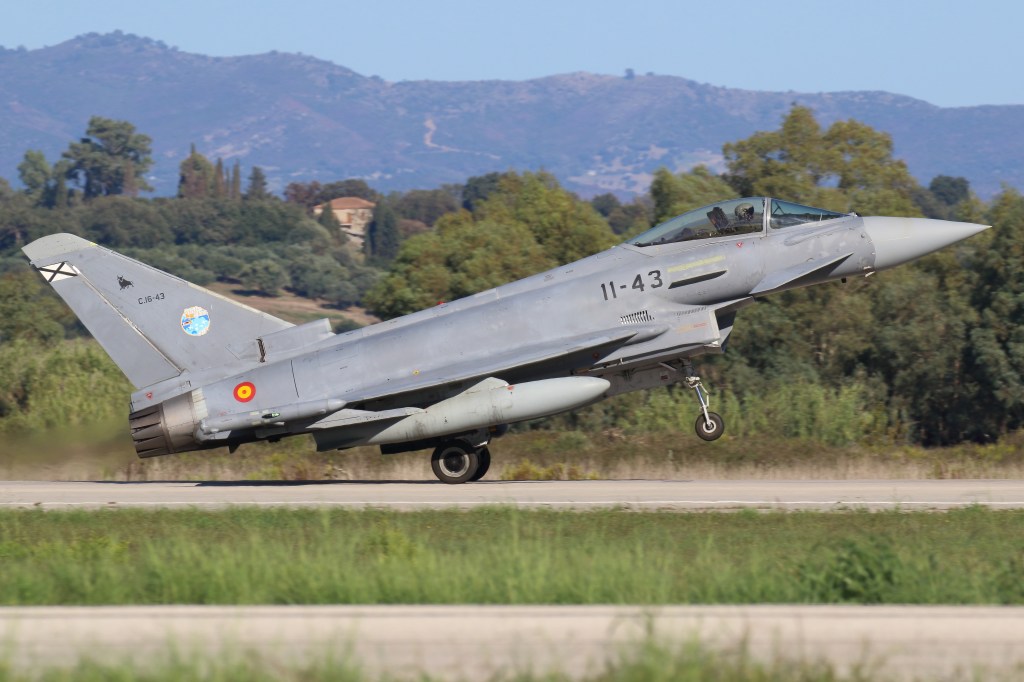
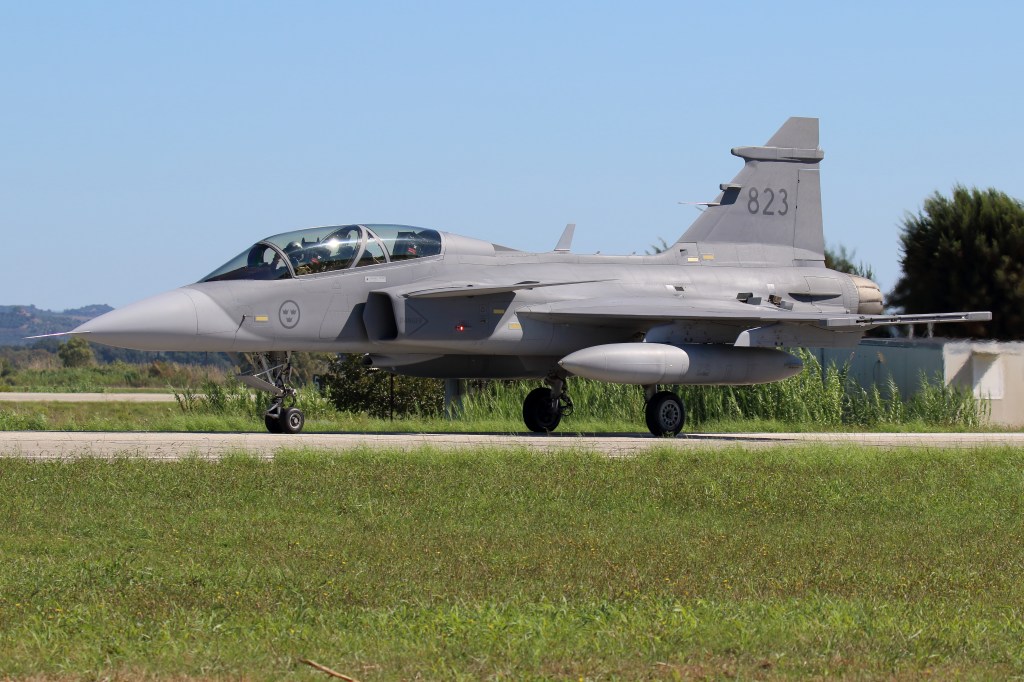

During the exercise, courtesy of the Greek Air Force, two photo sessions were organized for the enthusiasts in this field. Two “Spotter Days,” the first on Oct. 1 and the second on Oct. 8. Qra Aviation Team participated in the second session; during the course of the day we witnessed as many as 42 takeoffs, all concentrated mainly in the afternoon with a “wave” of 39 aircraft starting at 1:30 p.m.; the exercise ended at 4:45 p.m. , local time. On the other hand, three Phantoms of the 117th Fighter Wing flew during the morning but did not take part in the exercise.
The author would like to thank Colonel Christos Kalogeropoulos of the Greek Air Force and the Italian Embassy in Greece for their kind availability.
Article and photos by ©Omar Rigamonti
List of fighter aircraft:
- JAS39C HungarianAF MH101
- Rafale AdlA
- F-35A AM
- F-2000A AMI
- F-16AM PortugueseAF
- F-16AM RomanianAF
- F-16C PolishAF
- JAS39 SwedishAF F21
- EF-2000 SpanishAF ALA11
- F-35A USAF 48th FW/ LN
 QRA Aviation - Military Aviation Magazine
Lascia un commento