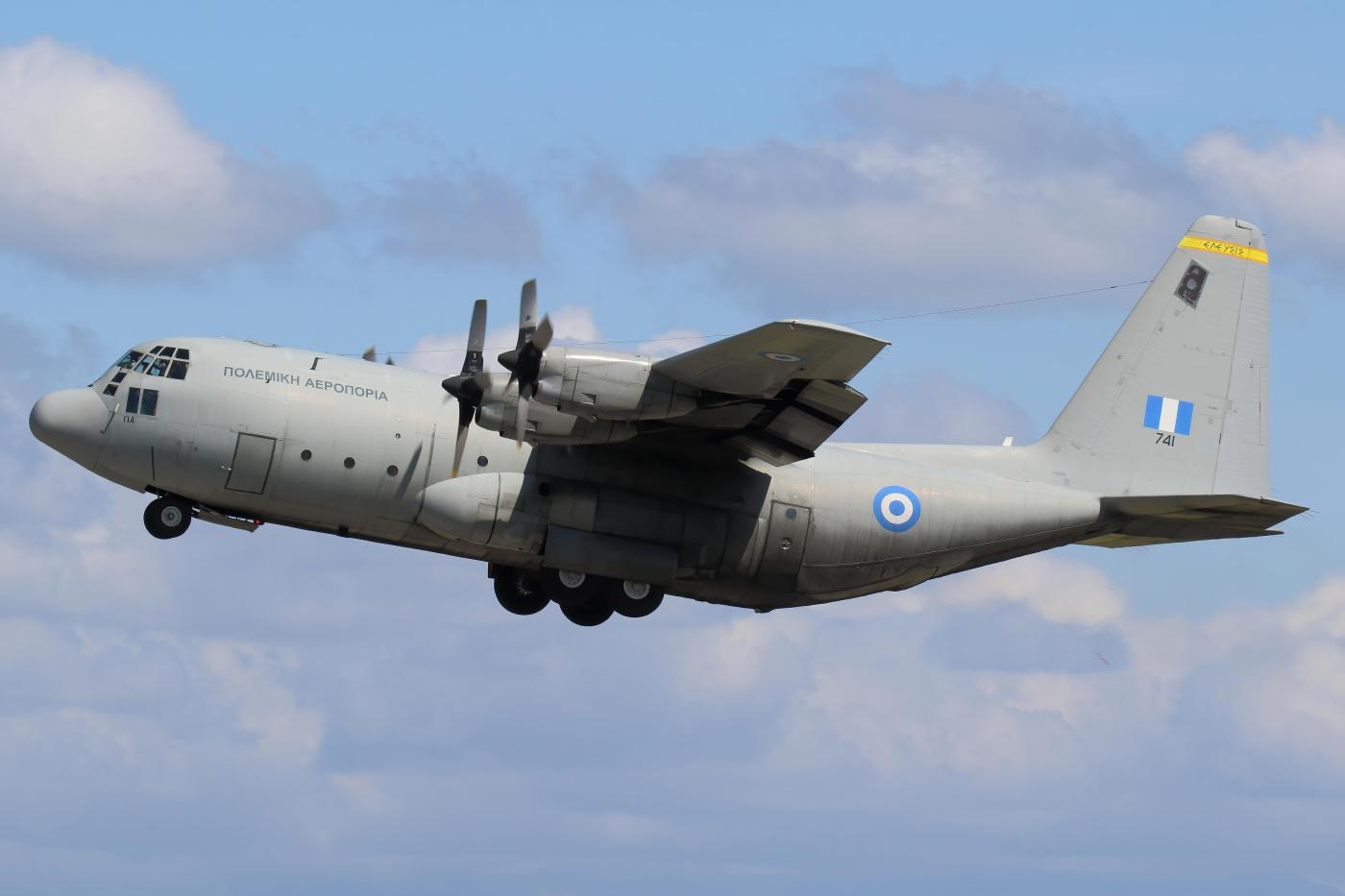
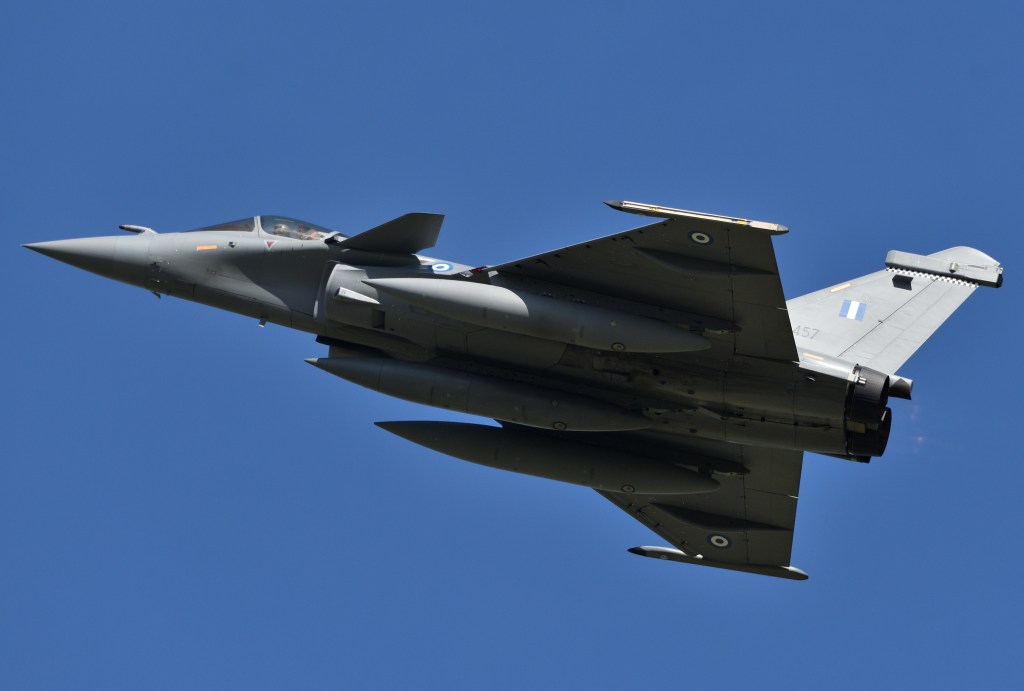
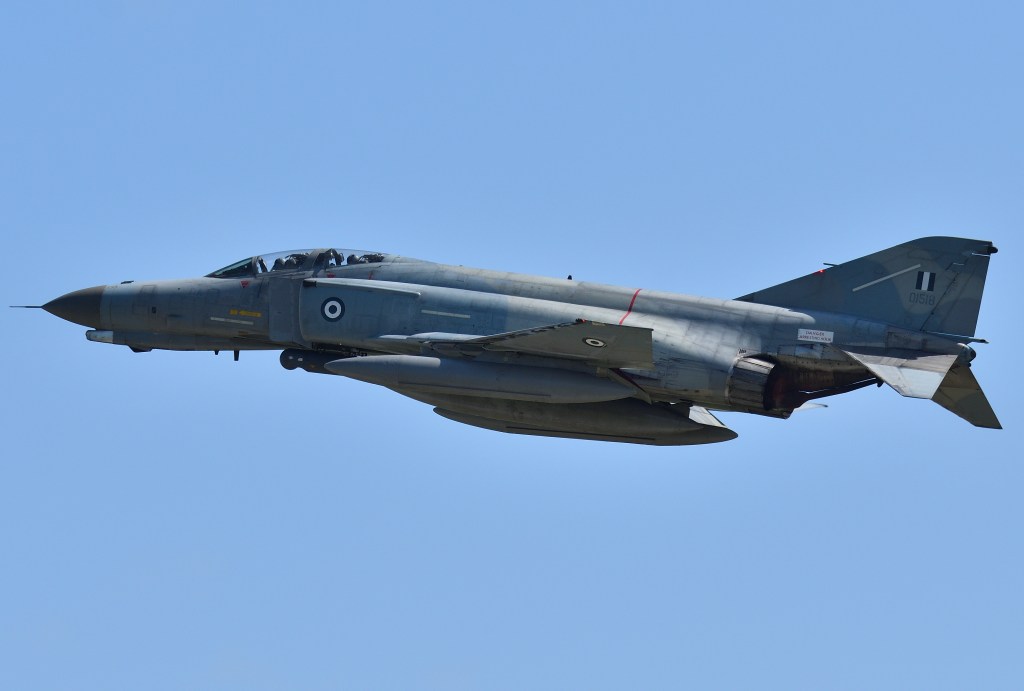
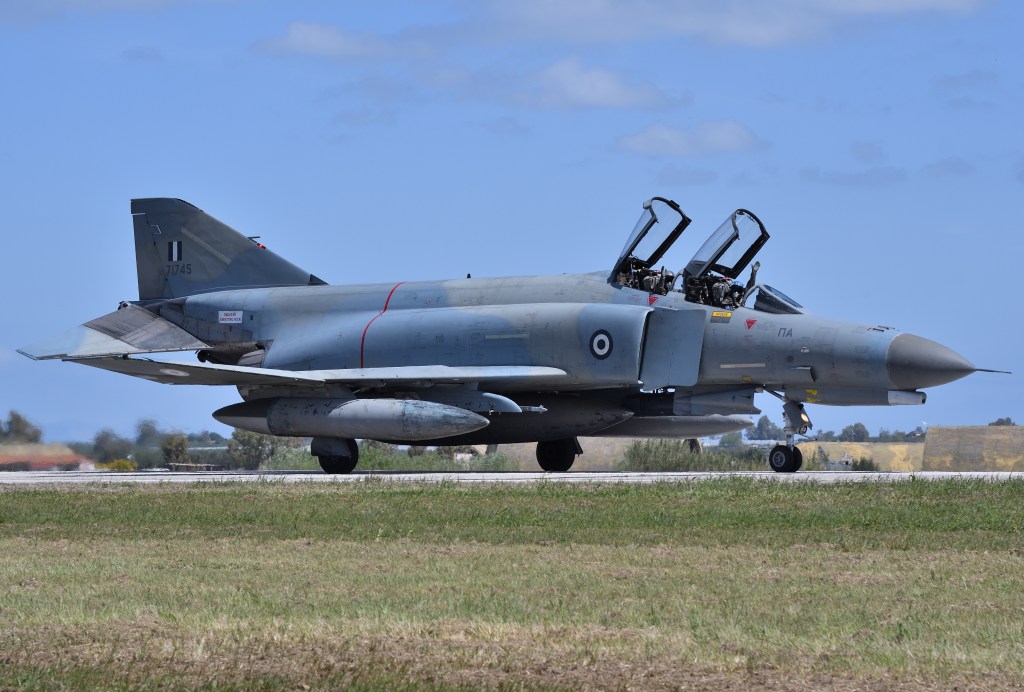
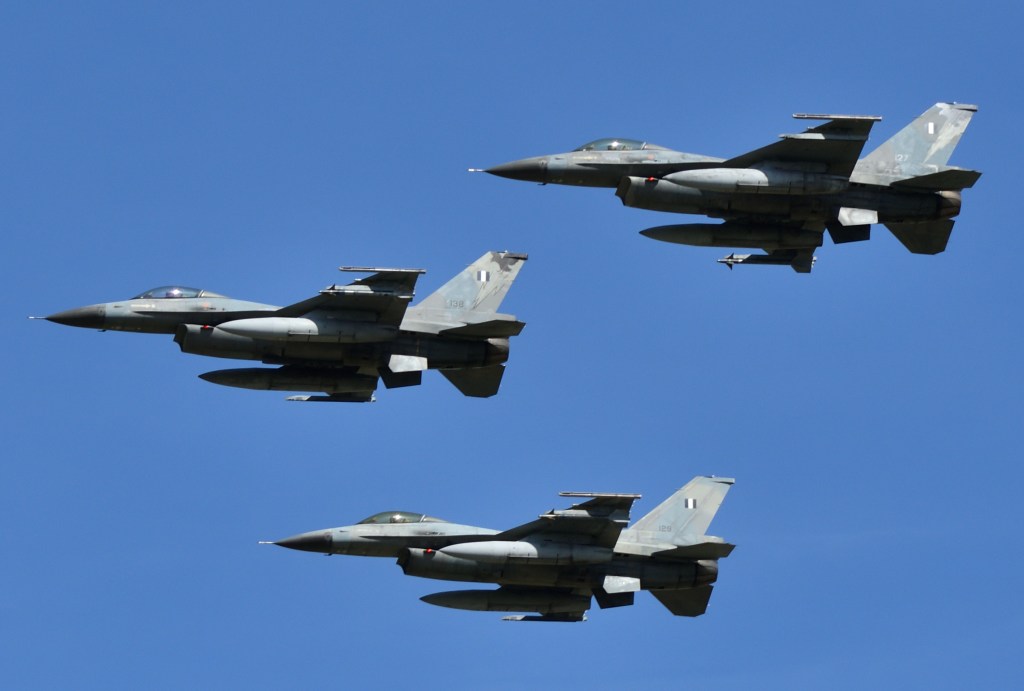
L’esercitazione Iniochos 2025 si è svolta dal 31 marzo all’11 aprile 2025 presso la base aerea di Andravida (Grecia) nel Peloponneso occidentale, ed è stata la più grande edizione di sempre.
Organizzata dall’Aeronautica Militare Greca, ha visto la partecipazione di numerose forze aeree internazionali, consolidando il suo ruolo di riferimento per l’addestramento aereo multinazionale in Europa e nel Mediterraneo. L’esercitazione Iniochos 2025 ha evidenziato una nuova ed inedita alleanza nel Mediterraneo orientale, ossia le presenza di Qatar, Emirati Arabi Uniti e Bahrein, che per la prima volta hanno cooperato insieme ad Israele, un fatto sicuramente molto significativo.

L’esercitazione ha avuto come obiettivo principale un ulteriore miglioramento dell’interoperabilità tra le forze aeree alleate, attraverso scenari che hanno incluso:
1-Offensive Counter Air (OCA) e Defensive Counter Air (DCA) Operations
2-Strategic Air Operations
3-Air Power Contribution to Counter-Land Operations (APCLO) e Air Power Contribution to Maritime Operations (APCMO)
4-Reconnaissance Missions (RECCE)
5-Combat Search and Rescue (CSAR)
6-Time Sensitive Targeting (TST)
7-High Value Airborne Asset (HVAA)
Inoltre, sono stati utilizzati simulatori avanzati, come quelli dell’ F-16 Operational Synthetic Training Squadron (FOSTS), per estendere l’esercitazione anche al dominio digitale.
Durante l’esercitazione sono state condotte più di 1300 sortite in tutta la FIR di Atene. Nel corso della “Iniochos 2025”, sono stati eseguiti tutti i tipi di missioni aeree in un ambiente operativo diurno e notturno ad alto ritmo, coprendo l’intero spettro delle moderne operazioni aeree all’interno di scenari complessi e realistici.

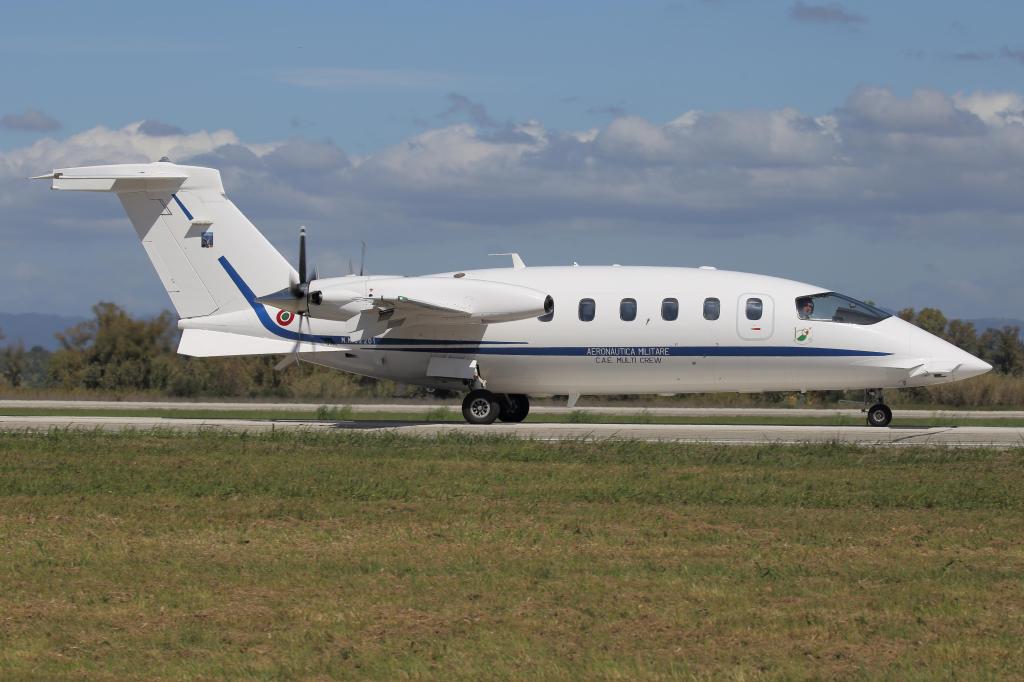

L’edizione 2025 ha visto la partecipazione di numerosi Paesi, tra cui:
-Francia (Mirage 2000)
-Stati Uniti (F-16, KC-46, KC-135)
-Emirati Arabi Uniti (Mirage 2000-9)
-India (Su-30)
-Spagna (F/A-18 Hornet)
-Italia (Tornado IDS ed ECR)
-Israele (G-550)
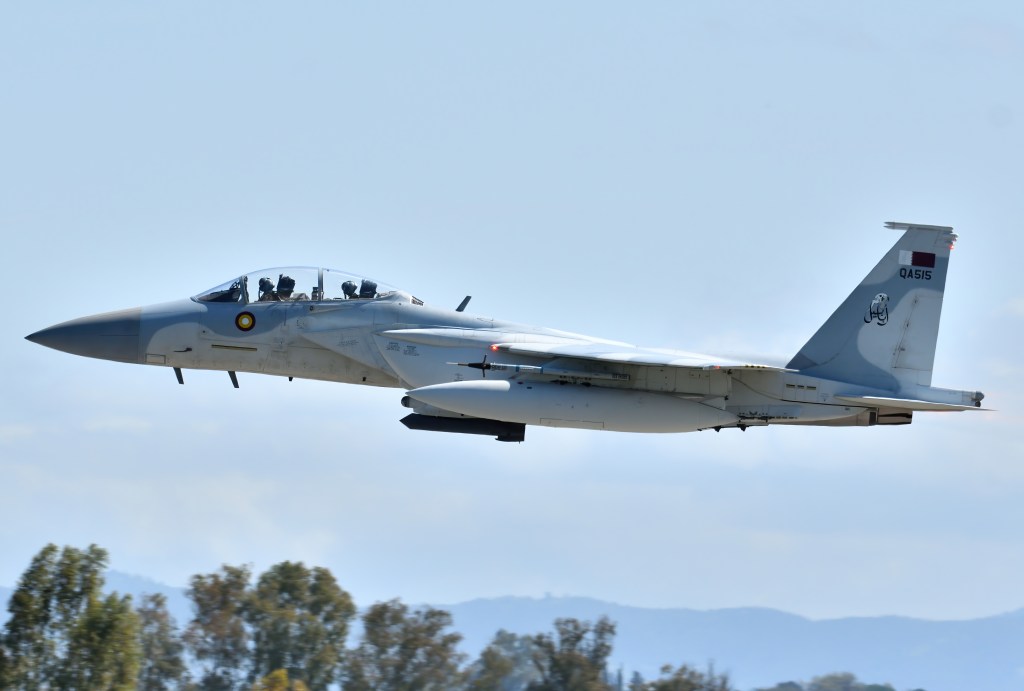
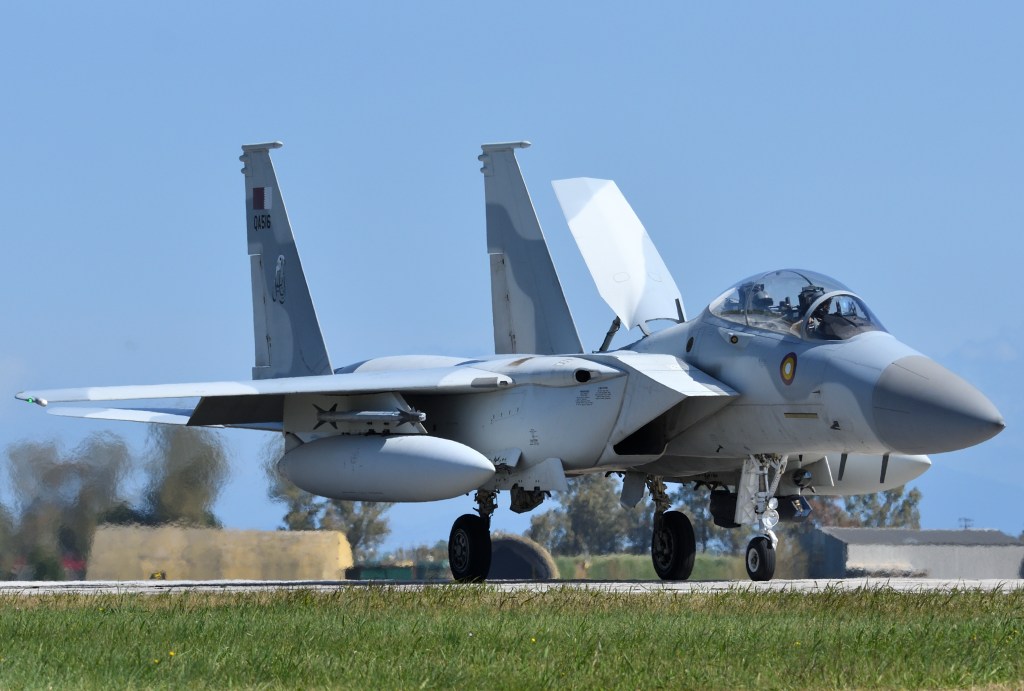
-Qatar (F-15)
-Montenegro (Bell 412)
-Polonia (F-16)
-Slovenia (PC-9)
Austria e Cipro hanno fornito solo personale di supporto, mentre Slovacchia e Bahrain hanno partecipato come osservatori.


Dettagli operativi
L’esercitazione si è articolata in tre specifiche fasi:
Una prima fase con il rischieramento delle forze (24–30 Marzo), una seconda fase con l’esecuzione delle operazioni (31 Marzo – 11 Aprile) durante la quale, il 7 aprile 2025, si è svolto il tradizionale Spotters Day, un evento aperto agli appassionati di aviazione per poter osservare da vicino le attività in volo che ha visto una adesione altissima, ben oltre 1000 spotter da ogni parte del mondo. Infine l’ultima fase con il rientro delle varie forze armate (11–13 Aprile).
Partecipazione italiana
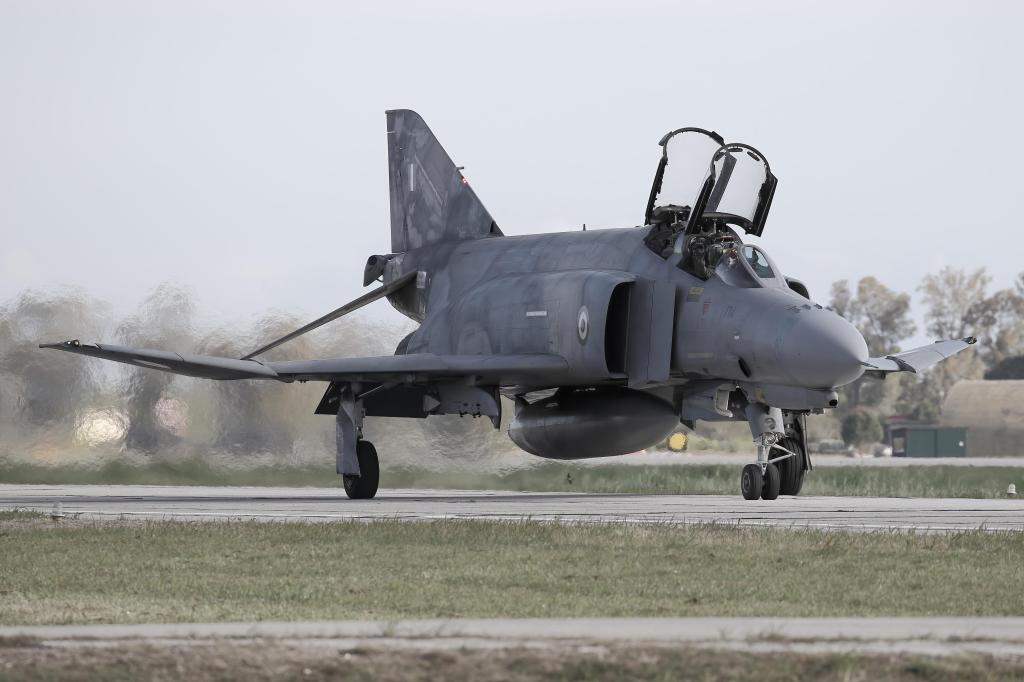
L’Italia ha partecipato con 6 Tornado IDS/ECR del 6° Stormo di Ghedi impegnati in missioni di Suppression of Enemy Air Defence (SEAD) e Close Air Support (CAS).
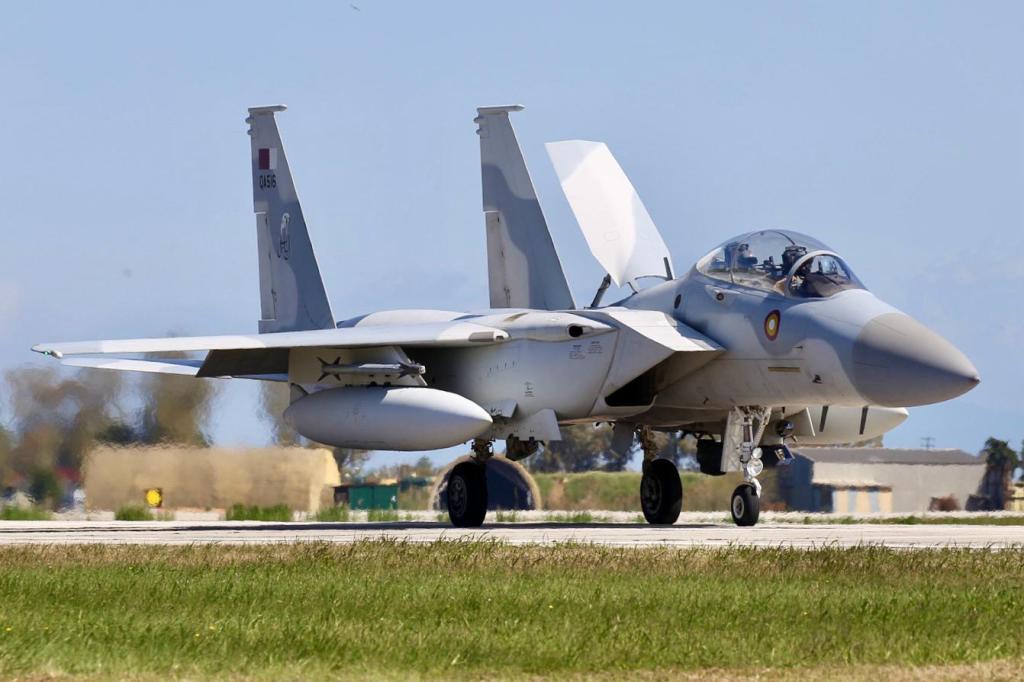

L’Esercitazione Iniochos 2025 ha confermato il suo status di esercitazione di riferimento per l’addestramento aereo multinazionale, offrendo un’opportunità unica per migliorare la prontezza operativa e l’interoperabilità tra le forze alleate.
Articolo di ©Omar Rigamonti e ©Fabio Radici
ENGLISH VERSION
The Iniochos 2025 exercise took place from 31 March to 11 April 2025 at Andravida airbase (Greece) in the western Peloponnese and was the largest ever. Organised by the Greek Air Force, it saw the participation of numerous international air forces, consolidating its role as a benchmark for multinational air training in Europe and the Mediterranean.
The Iniochos 2025 exercise highlighted a new and unprecedented alliance in the eastern Mediterranean, namely the presence of Qatar, the United Arab Emirates, and Bahrain, which for the first time cooperated together with Israel, surely a highly significant fact.
The main objective of the exercise was to further increase the interoperability between the allied air forces, through scenarios that included:
1- Offensive Counter Air (OCA) e Defensive Counter Air (DCA) Operations
2-Strategic Air Operations
3-Air Power Contribution to Counter-Land Operations (APCLO) e Air Power Contribution to Maritime Operations (APCMO)
4-Reconnaissance Missions (RECCE)
5-Combat Search and Rescue (CSAR)
6-Time Sensitive Targeting (TST)
7-High Value Airborne Asset (HVAA)
In addition, advanced simulators, such as those of the F-16 Operational Synthetic Training Squadron (FOSTS), were used to extend the exercise to the digital domain.
During the exercise, more than 1,300 sorties were conducted throughout the Athens FIR. During “Iniochos 2025”, all types of air missions were performed in a high pace, day and night operational environment, covering the entire spectrum of modern air operations within complex and realistic scenarios.
The 2025 edition saw the participation of numerous countries, including:
-France (Mirage 2000)
-United States (F-16, KC-46, KC-135)
-United Arab Emirates (Mirage 2000-9)
-India (Su-30)
-Spain (F/A-18 Hornet)
-Italy (Tornado IDS and ECR)
-Israel (G-550)
-Qatar (F-15)
-Montenegro (Bell 412)
-Poland (F-16)
-Slovenia (PC-9)
Austria and Cyprus provided support personnel only, while Slovakia and Bahrain participated as observers.
Operational details.
The exercise consisted of three specific phases:
A first phase with the deployment of the forces (24-30 March), a second phase with the execution of operations (31 March – 11 April), during which the traditional Spotters Day was held on 7 April 2025, an event open to aviation enthusiasts to allow them to see the in-flight activities up close, which saw a very high participation, well over 1,000 spotters from all over the world. Finally, the last phase with the return of the various armed forces (11-13 April).
Italian participation
Italy participated with 6 Tornados IDS/ECRs of 6° Stormo from Ghedi, engaged in Suppression of Enemy Air Defence (SEAD) and Close Air Support (CAS) missions.
Exercise Iniochos 2025 confirmed its status as a benchmark exercise for multinational air training, offering a unique opportunity to improve operational readiness and interoperability between allied forces.
Article by ©Omar Rigamonti and ©Fabio Radici

 QRA Aviation - Military Aviation Magazine
Lascia un commento