Nel panorama dell’aviazione militare italiana esistono reparti che non rappresentano soltanto una componente operativa, ma autentici simboli di professionalità, sacrificio e tradizione. Tra questi occupa un posto speciale il 155° Gruppo ETS (Electronic Warfare Tactical Suppression), storico reparto dell’Aeronautica Militare che quest’anno celebra l’importante traguardo degli 85 anni dalla sua costituzione.
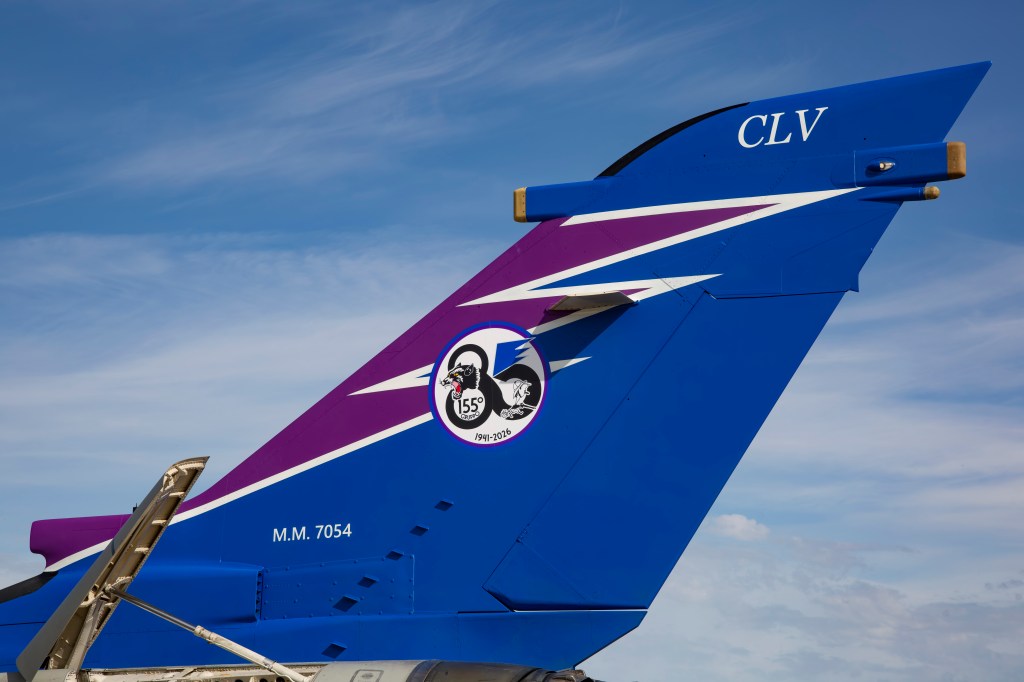
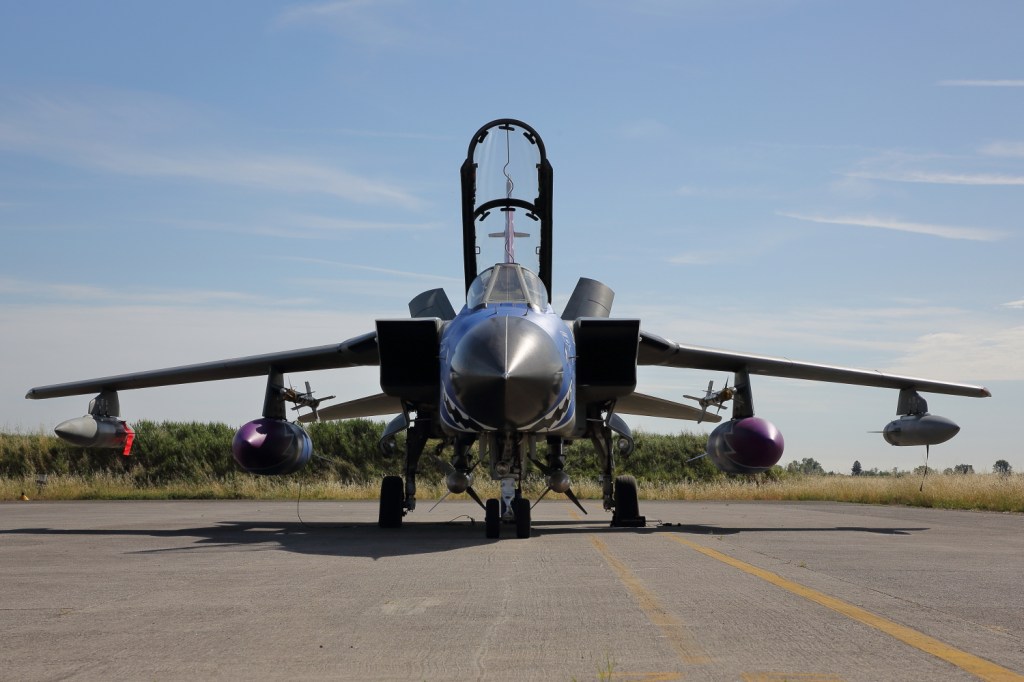
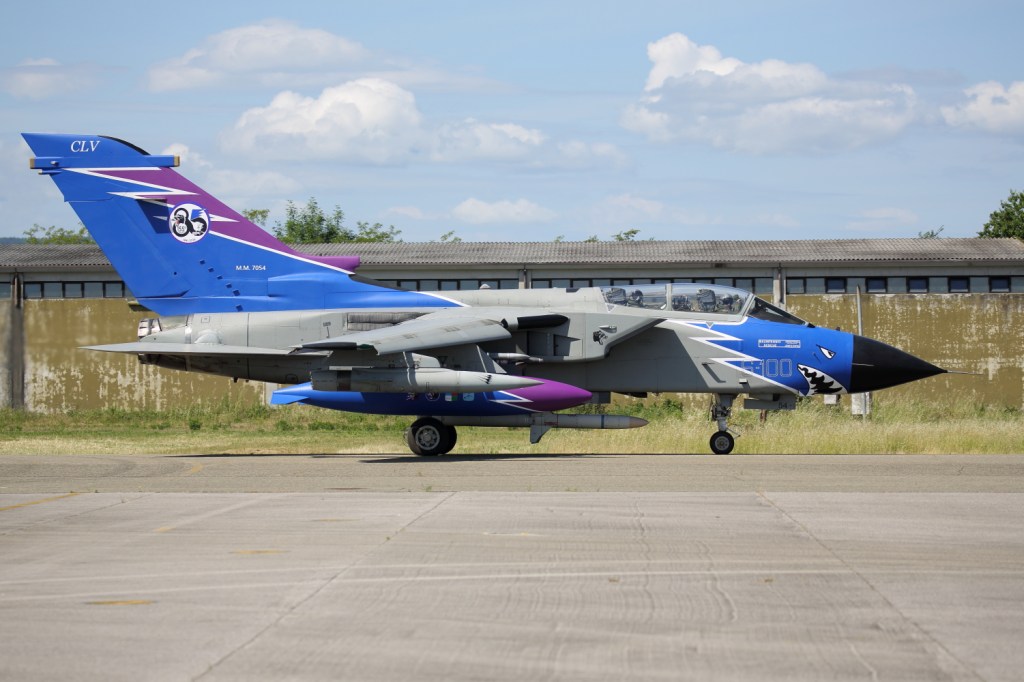
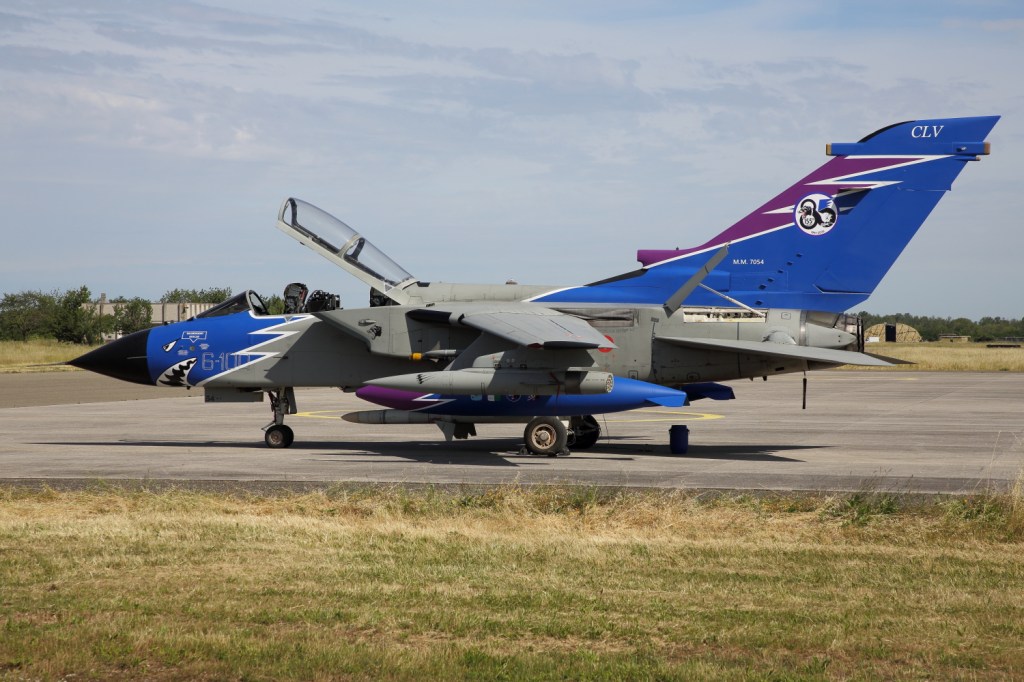
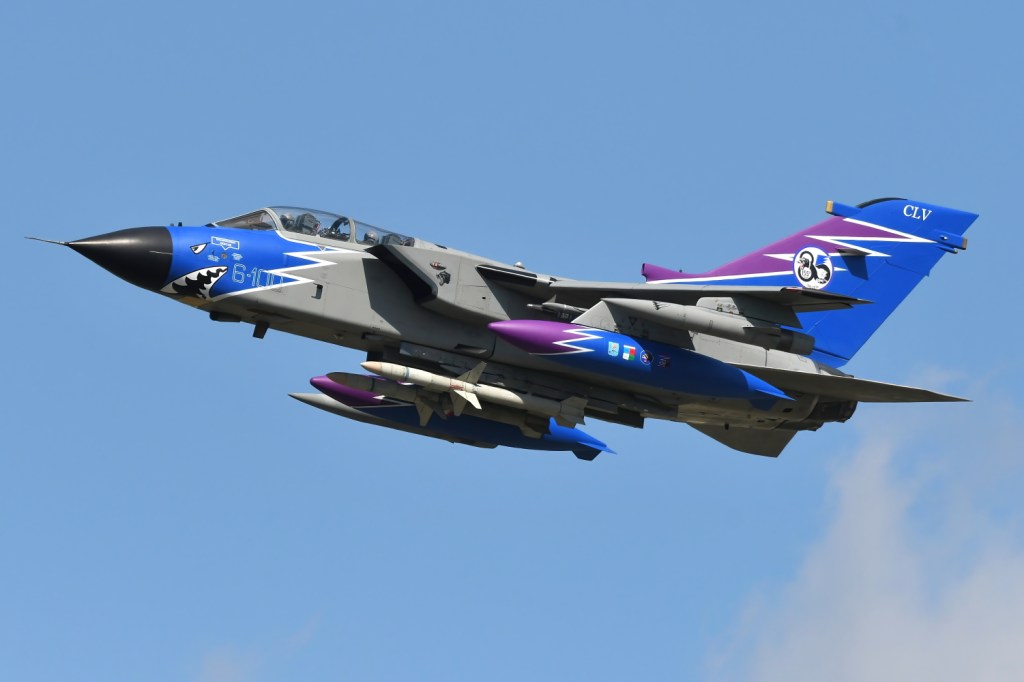
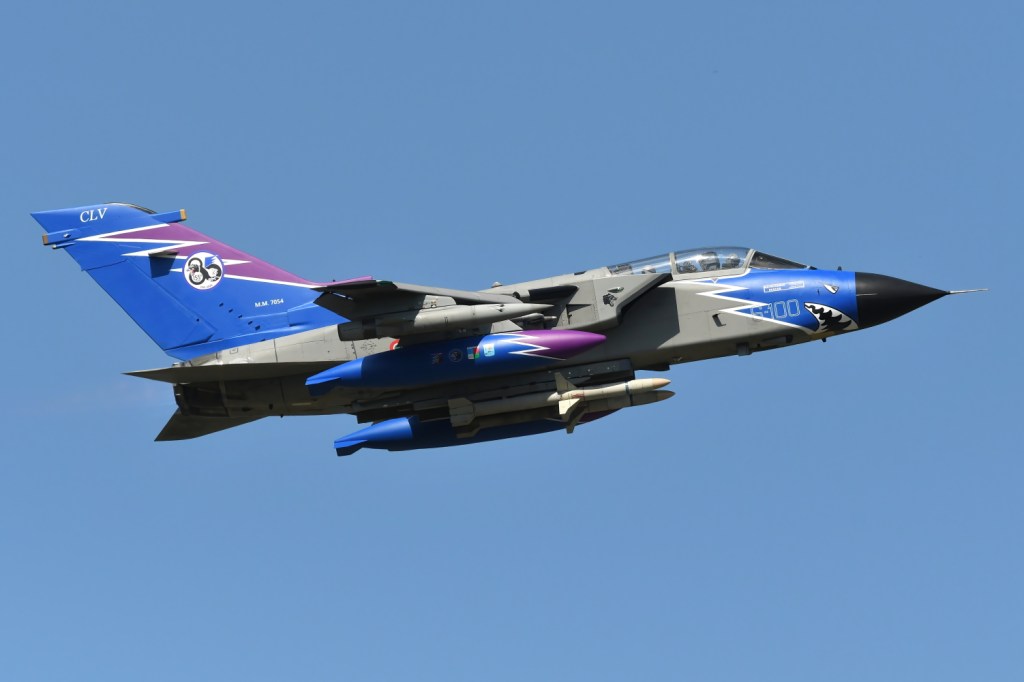
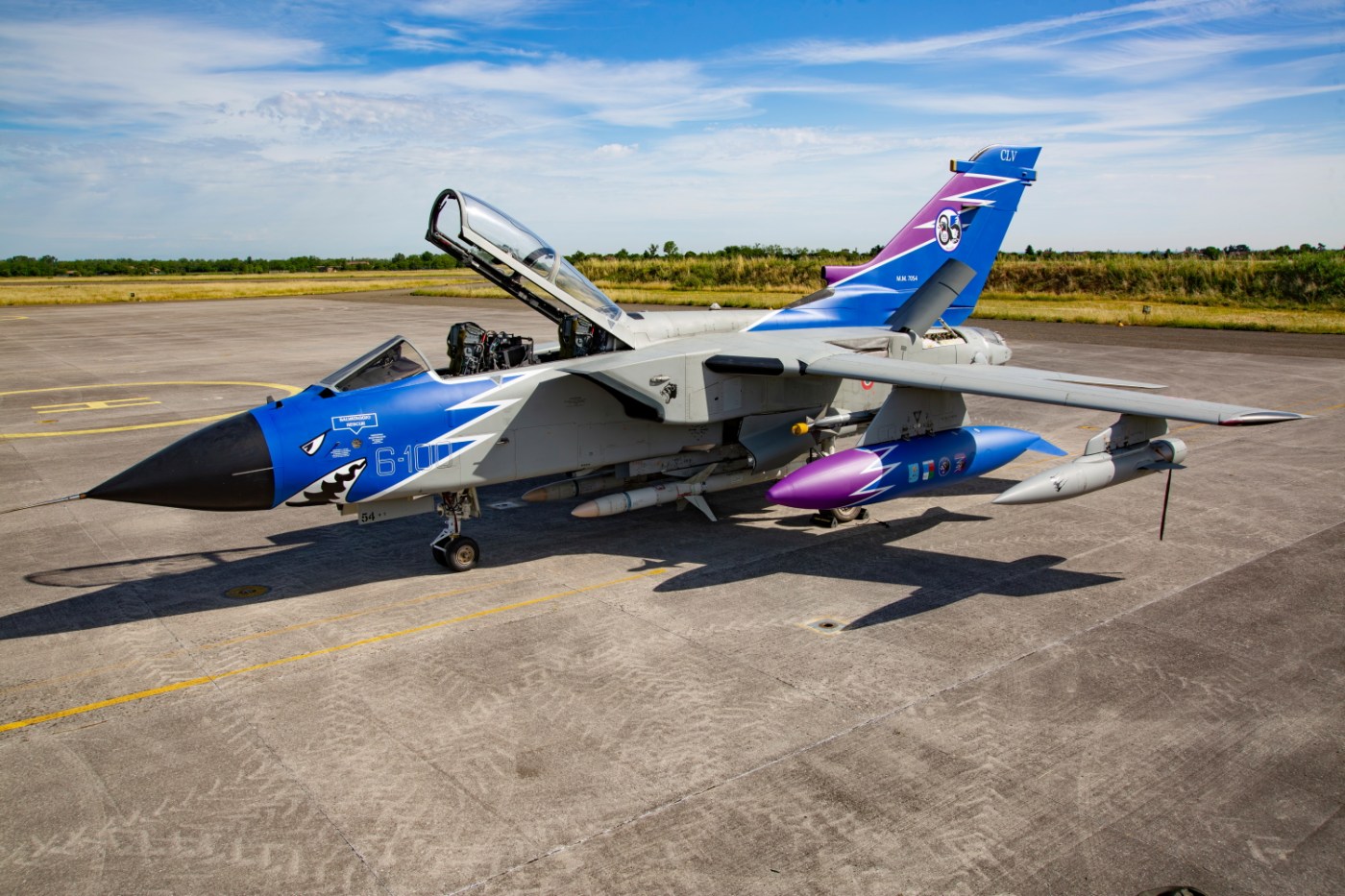
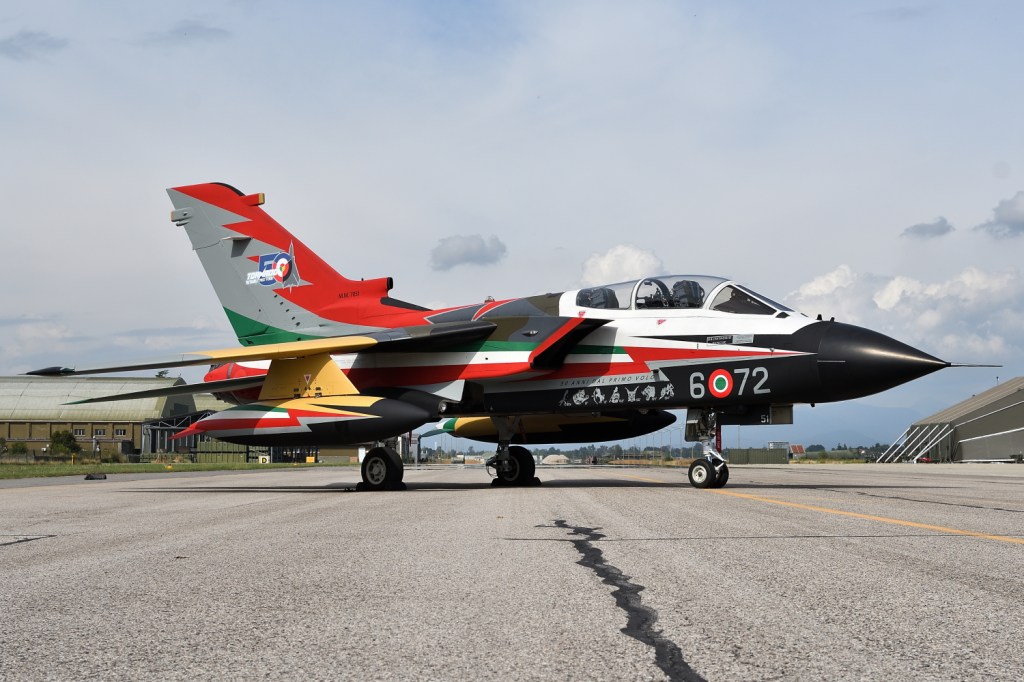
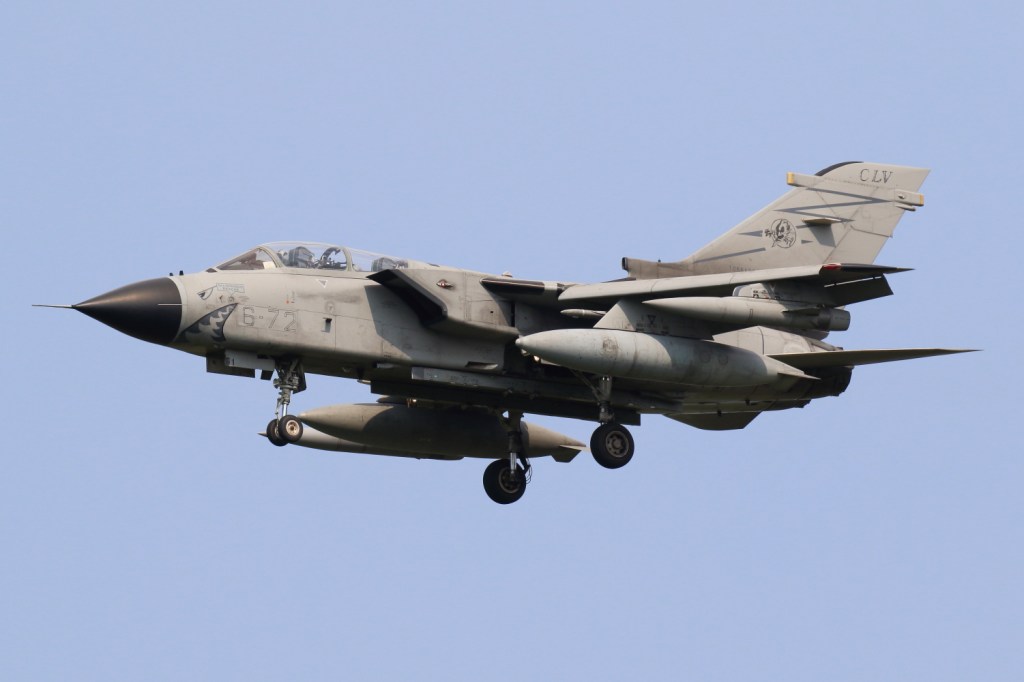
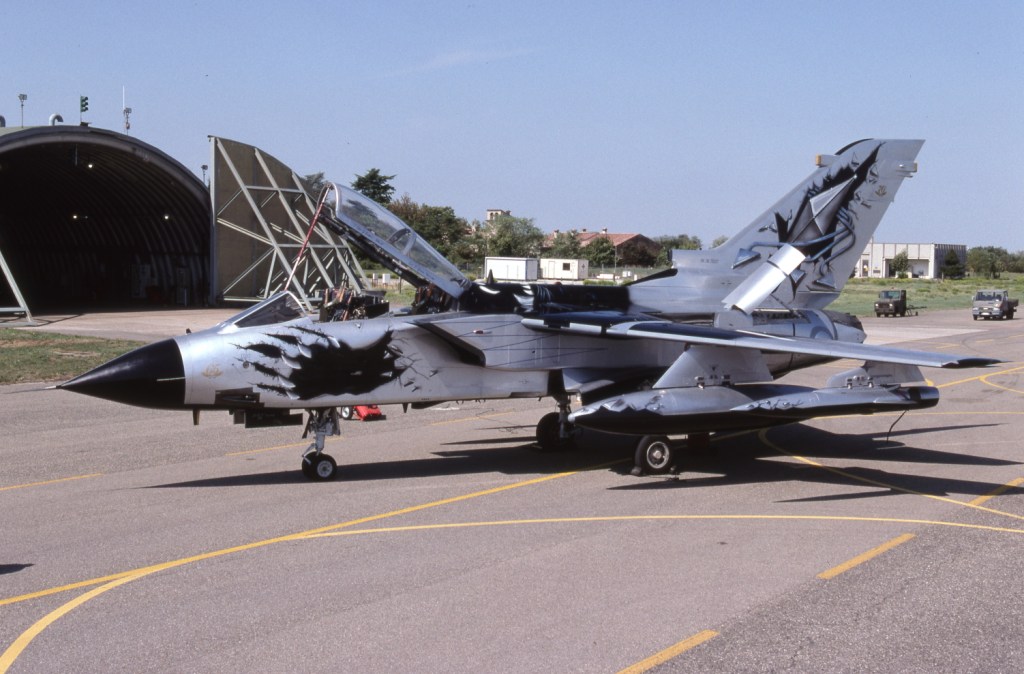
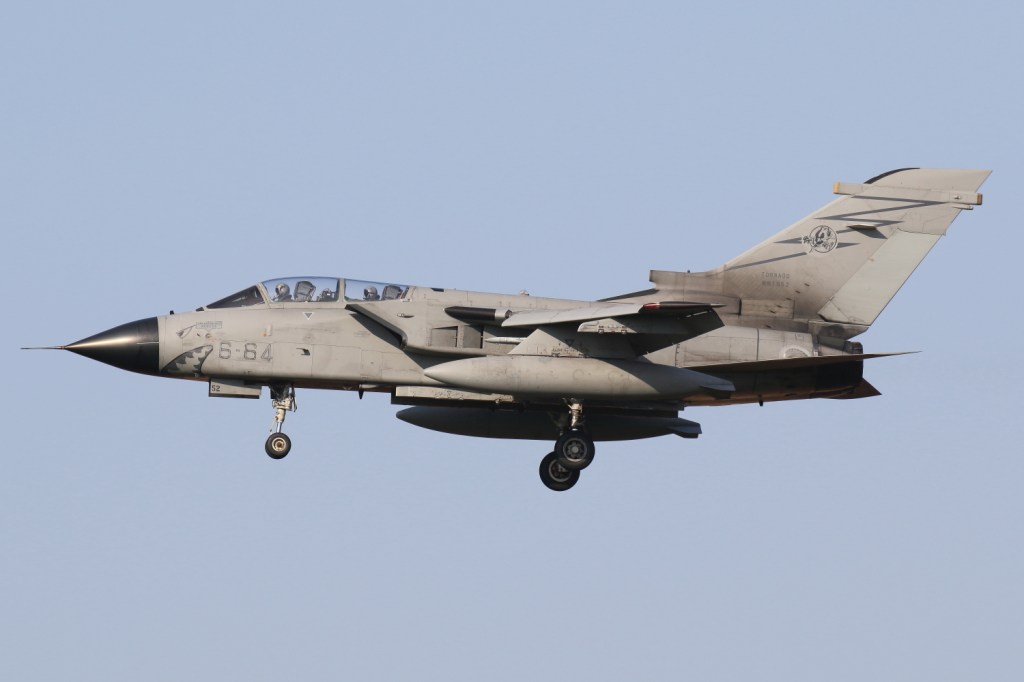
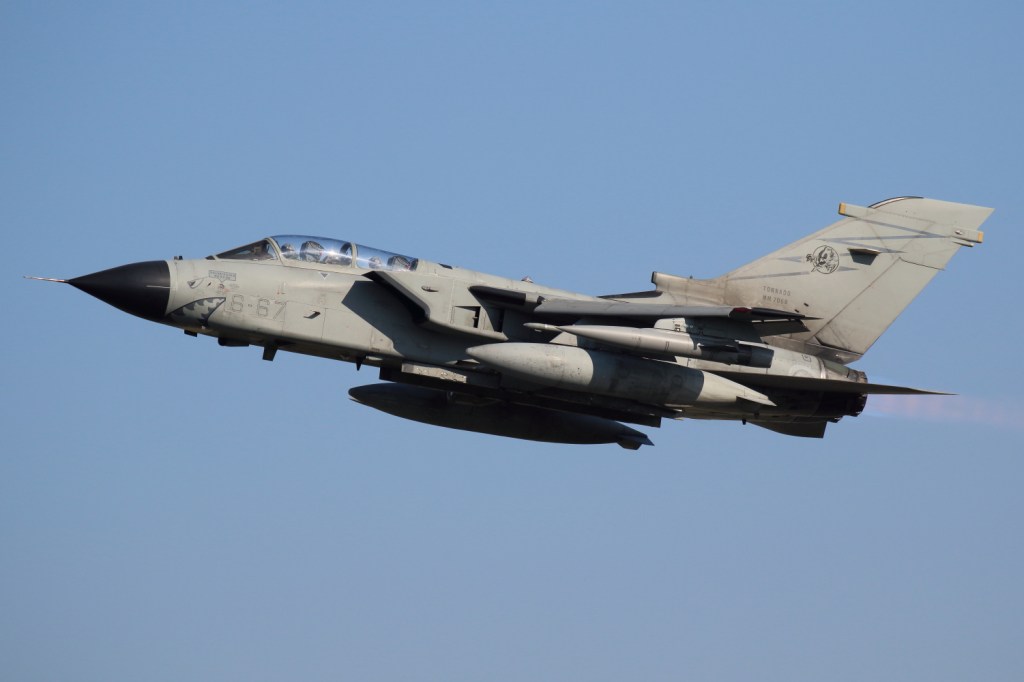
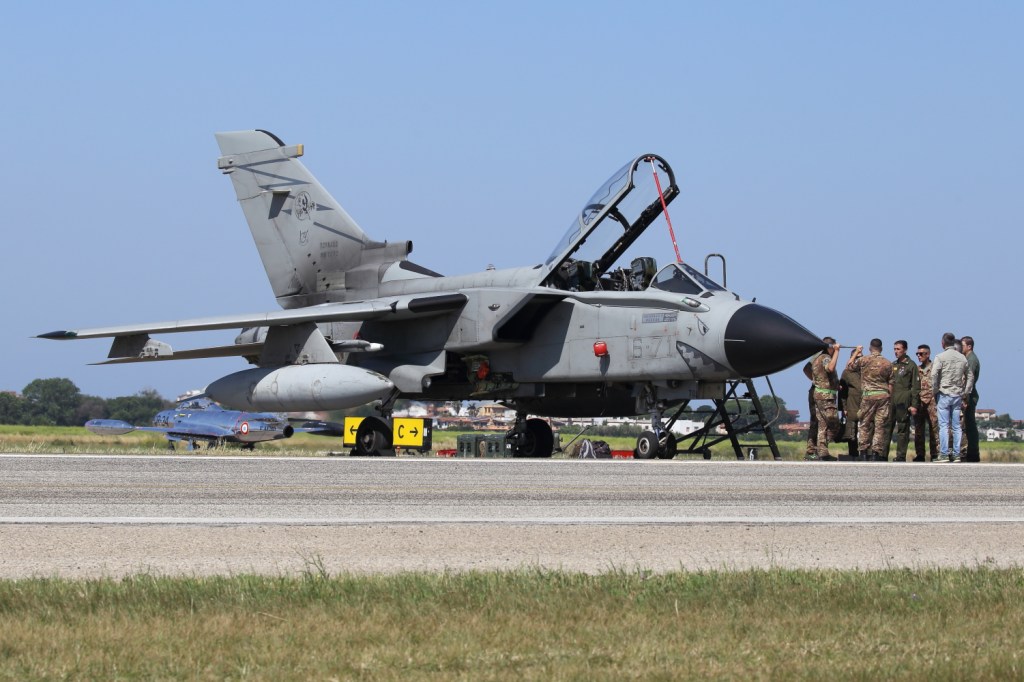
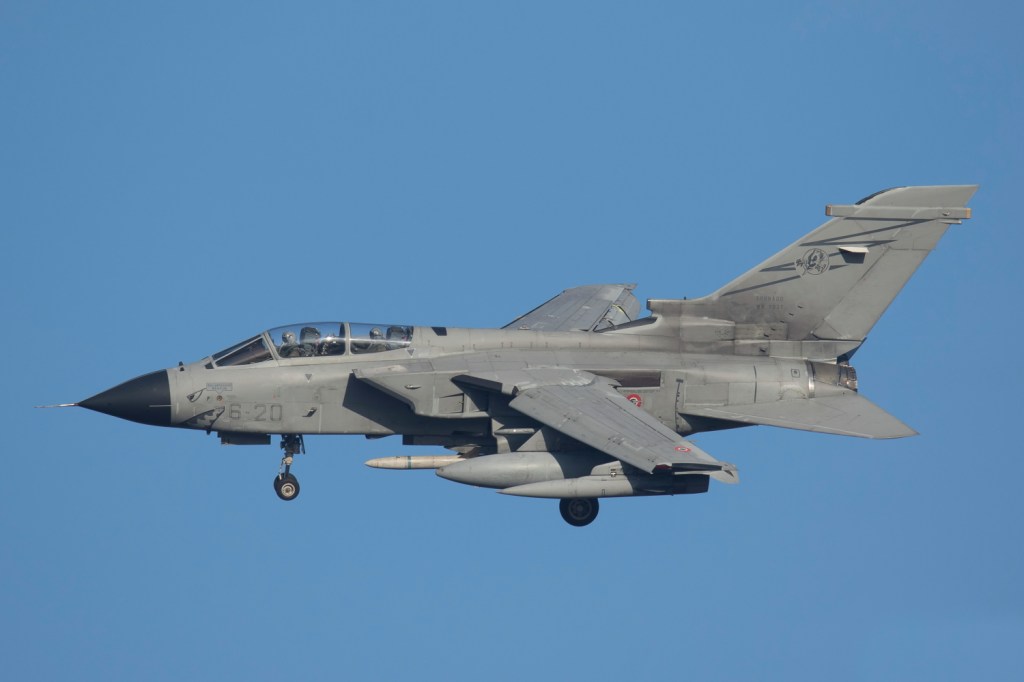
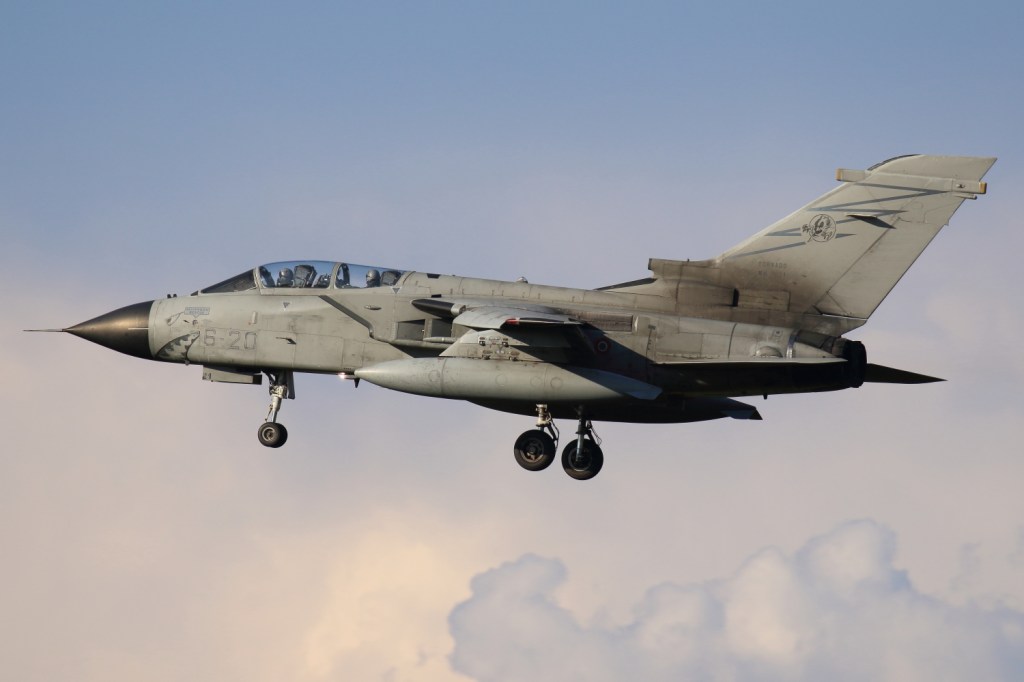
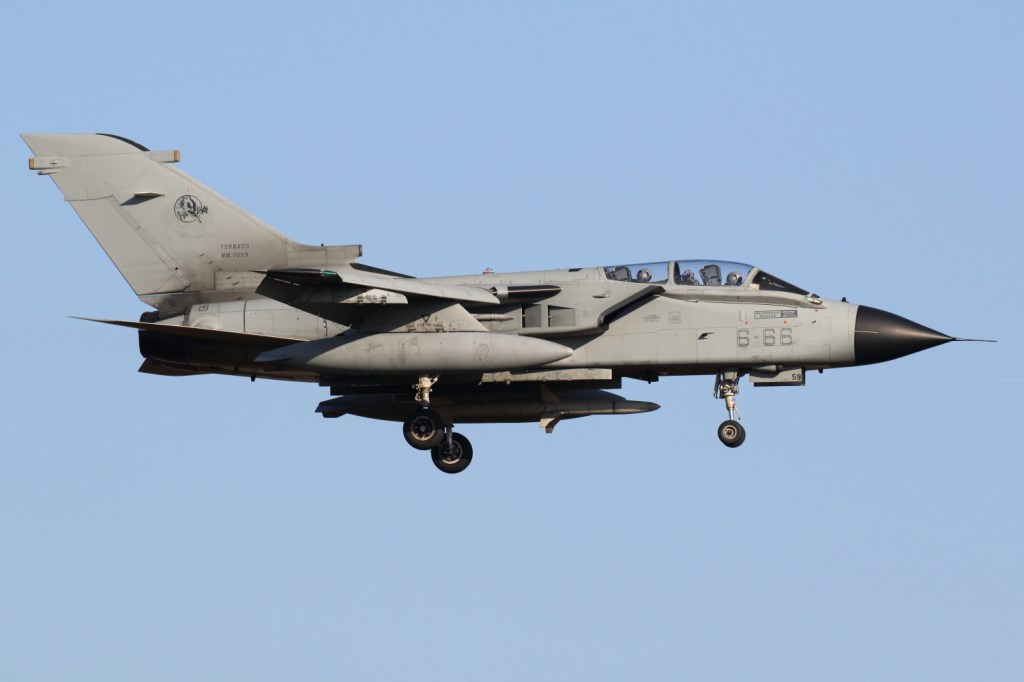
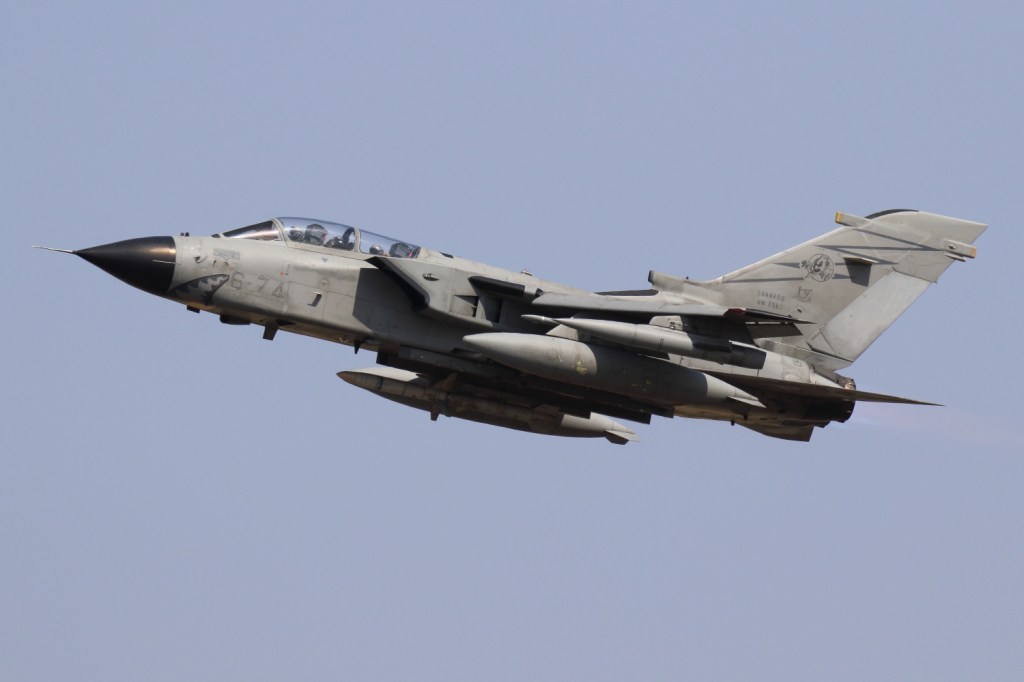
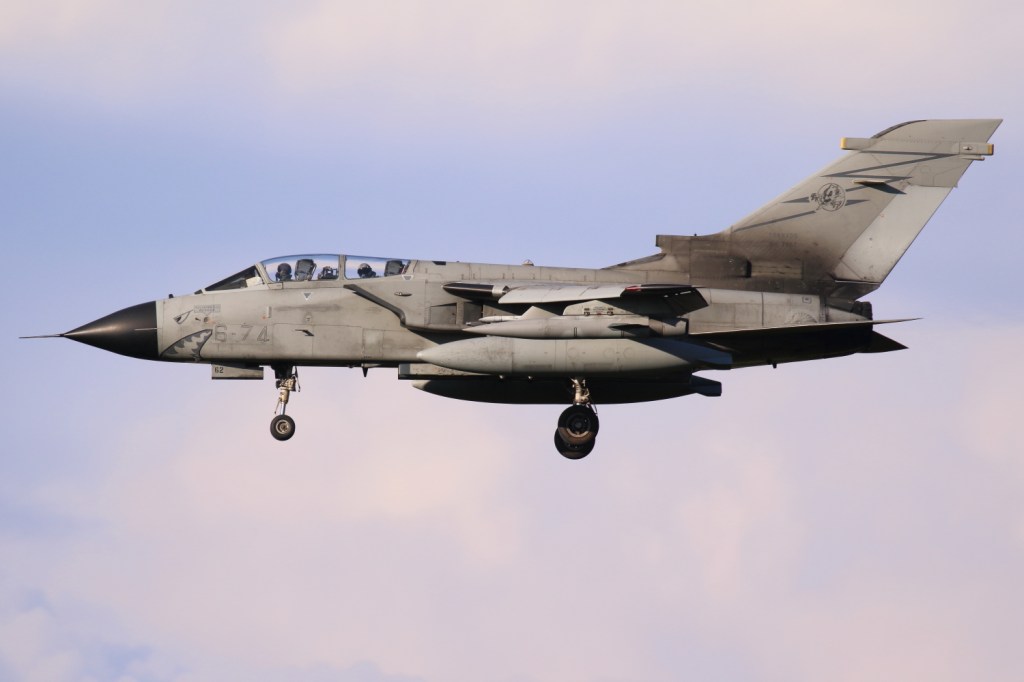
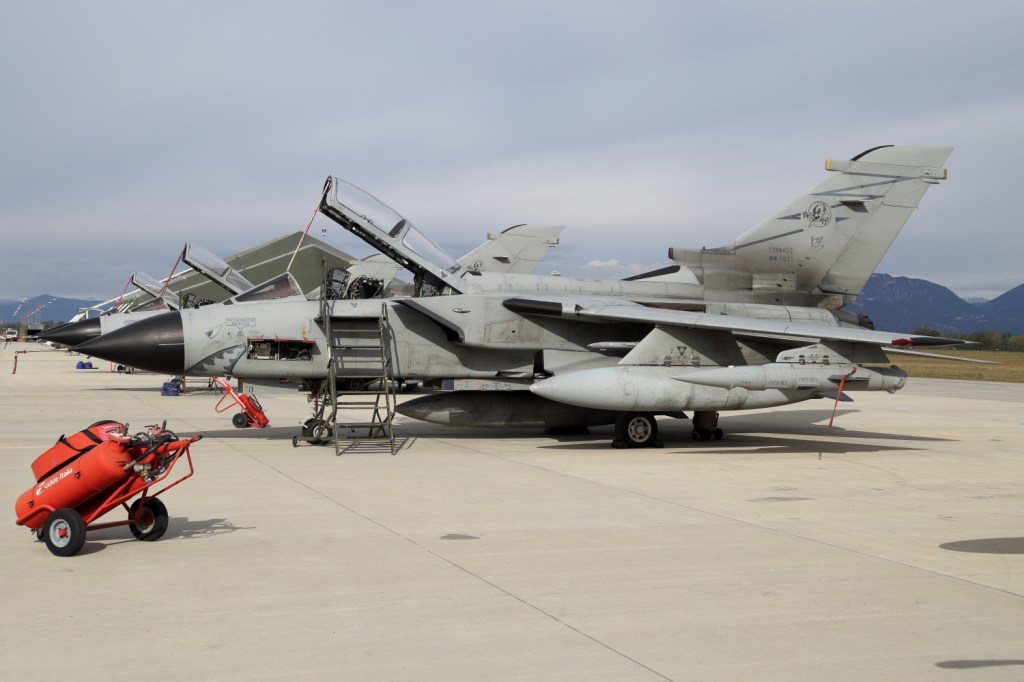
In questi ultimi giorni lo staff di QRA Aviation ha avuto l’opportunità di fotografare sia all’Aeroporto di Ghedi che all’Aeroporto di Piacenza San Damiano il nuovo Tornado ECR “Special Color ” del 6° Stormo di Ghedi ( la MM7054, codifica 6-100) in occasione dell’85esimo anniversario del 155° Gruppo Volo. Sulla deriva è impresso un unico logo che fonde gli emblemi che hanno segnato la storia del Gruppo.
Nato nel gennaio del 1941, in uno dei momenti più complessi della storia europea, il 155° Gruppo ha attraversato guerre, trasformazioni tecnologiche, missioni internazionali e cambiamenti geopolitici, mantenendo sempre intatto il proprio spirito operativo.
Per l’Aeronautica Militare, questo reparto è stato per decenni sinonimo di eccellenza nel settore della soppressione delle difese aeree nemiche e della guerra elettronica, diventando uno dei reparti più prestigiosi e specializzati dell’intera NATO.
Le origini: il battesimo operativo nella Seconda Guerra Mondiale
Il 155° Gruppo venne costituito ufficialmente nel gennaio 1941 presso Ciampino Sud, inquadrato inizialmente come reparto caccia della Regia Aeronautica.
Formato dalle squadriglie 151, 360 e 378 ed equipaggiato con velivoli come i Fiat G.50 Bis e successivamente i Macchi Mc.200, 202 e Mc.205, il Gruppo operò nei cieli del Mediterraneo, del Nord Africa, della Sardegna e della Sicilia durante la Seconda Guerra Mondiale.
Nel 1944 sull’aeroporto di Lecce Galatina il 155° Gruppo costituì assieme al 20° e al 21° Gruppo il 50° Stormo.
Con la fine del conflitto e la nascita dell’Aeronautica Militare Repubblicana, il reparto entrò in una nuova fase della propria esistenza, accompagnando l’Italia nel pieno della Guerra Fredda.
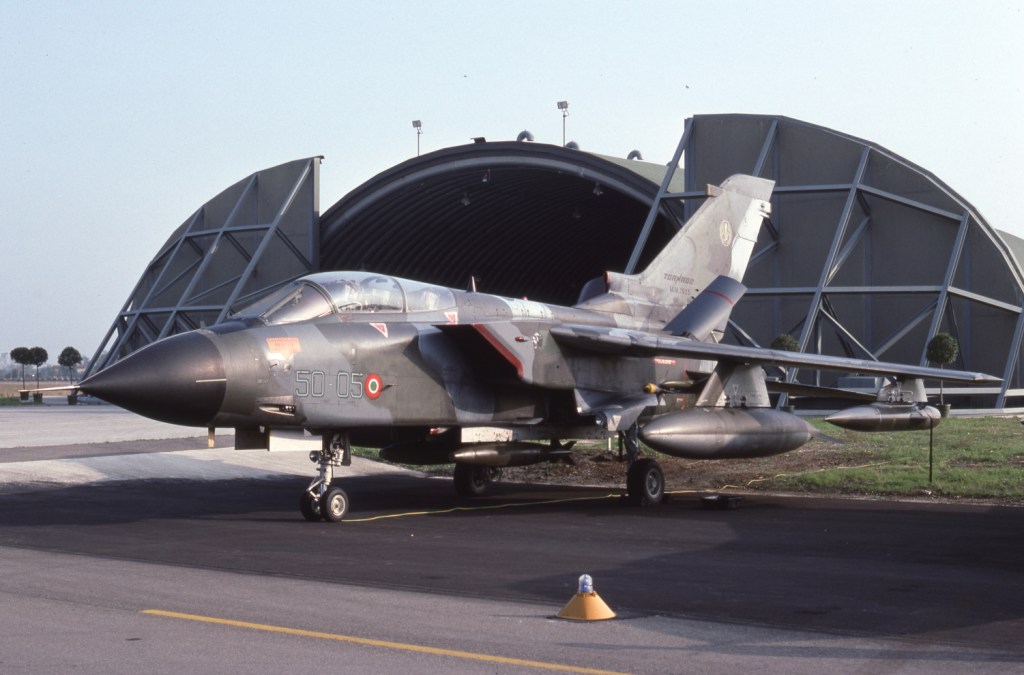
Dalla ricostruzione alla Guerra Fredda
Negli anni del dopoguerra il 155° Gruppo venne progressivamente riequipaggiato con velivoli sempre più moderni: in successione Spitfire V e IX, P-51 Mustang, Vampire, F84G e F84F Thunderstreak fino agli iconici F-104S Starfighter.
Fu proprio negli anni Sessanta che il legame con il 50° Stormo divenne centrale nella storia del reparto. Il 1° aprile 1967 il 50° Stormo venne ricostituito sulla base di San Damiano, vicino Piacenza, ed il 155° Gruppo ne divenne il cuore operativo.
In quel periodo l’Italia viveva pienamente il confronto strategico tra NATO e Patto di Varsavia. Il 155° Gruppo rappresentava una delle componenti avanzate della difesa aerea nazionale, addestrandosi costantemente per missioni di attacco, interdizione e supporto alle forze alleate. La reputazione del reparto crebbe rapidamente anche in ambito internazionale grazie all’elevato standard addestrativo e alla professionalità dei suoi equipaggi.
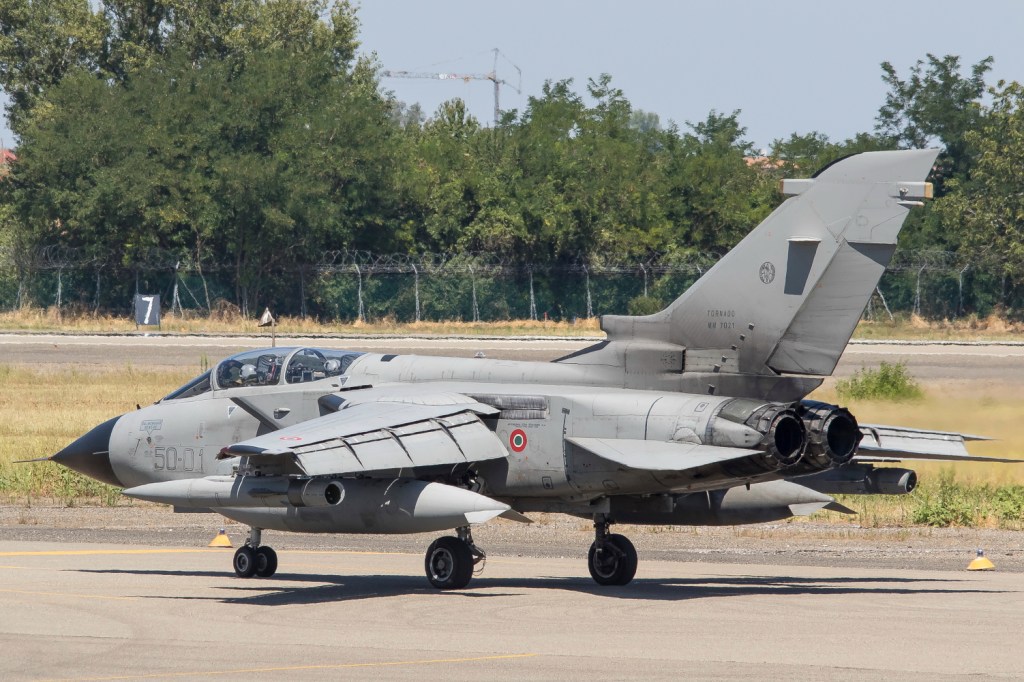
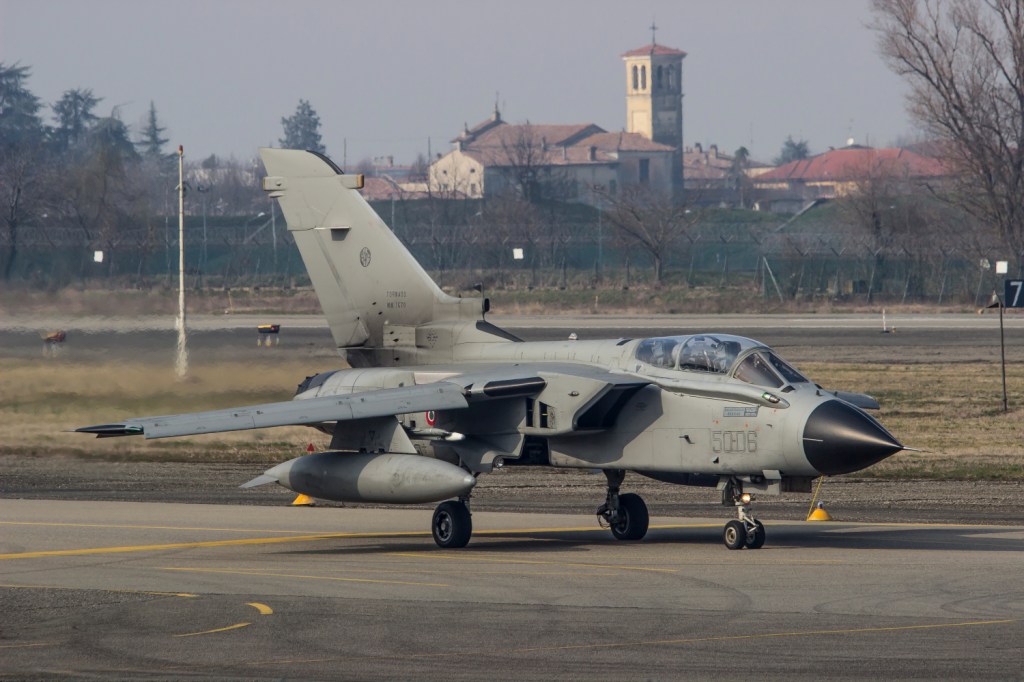
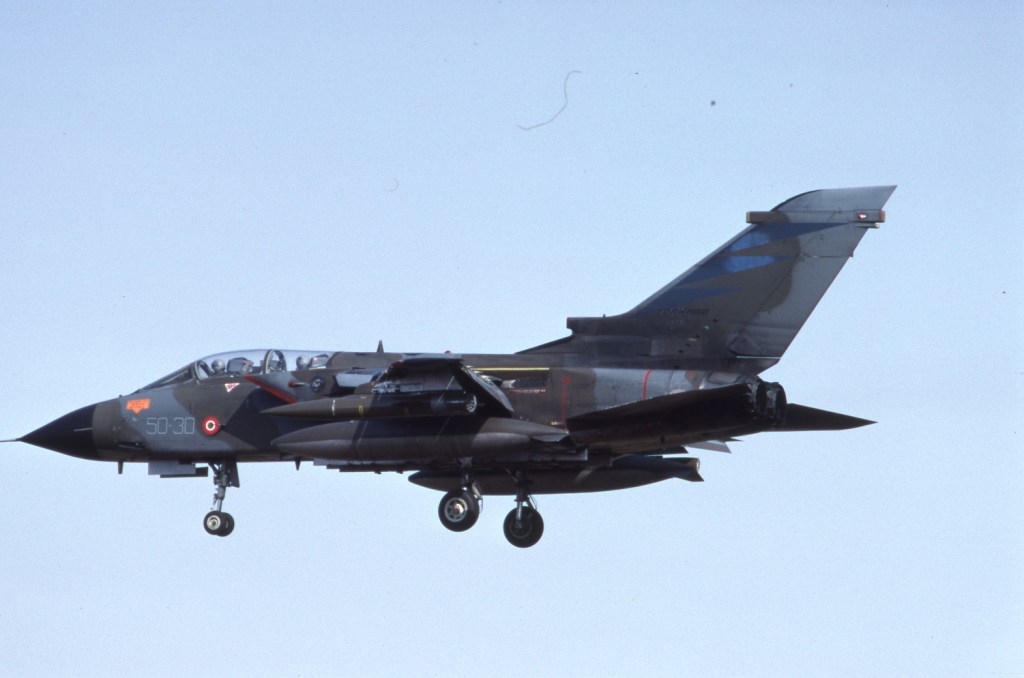
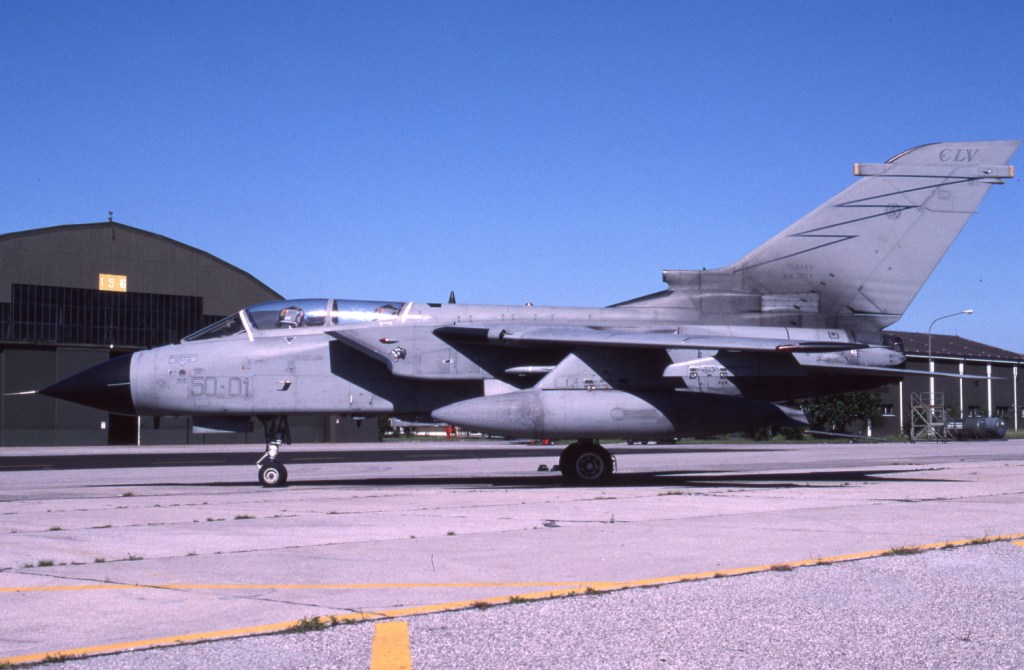
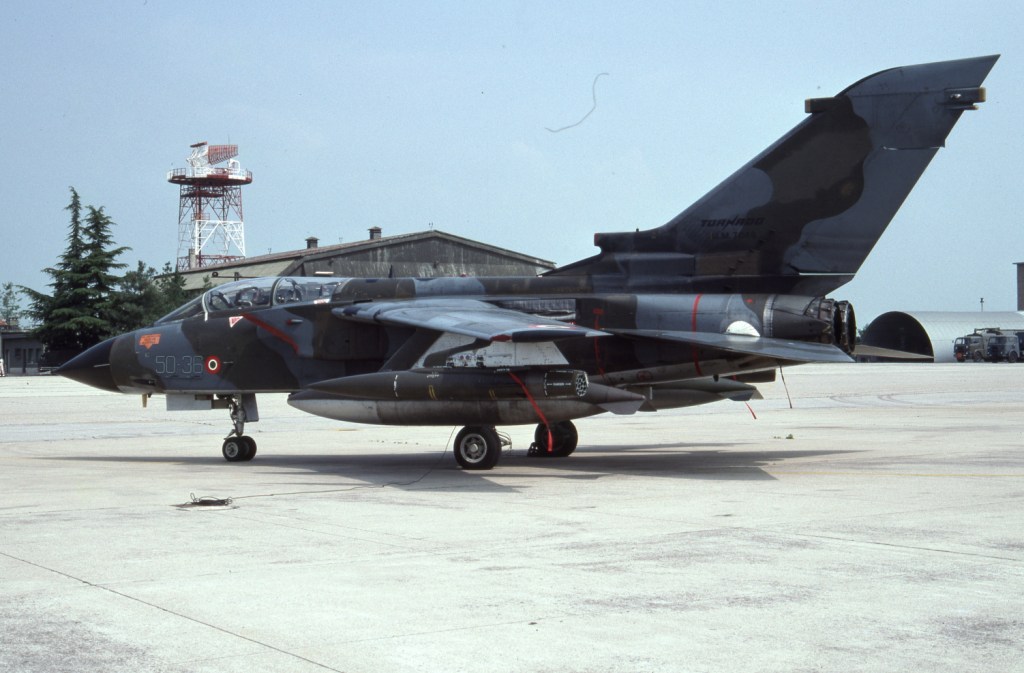
Il 13 ottobre 1973 il 155º Gruppo lasciò il 50º Stormo venendo assegnato al 51º Stormo alla Base di Istrana dove vi rimase fino al 1º gennaio 1985 quando venne riassegnato al 6º Stormo di Ghedi, iniziando la conversione al nuovo velivolo multiruolo Tornado. La denominazione del reparto passa da CB a CBOC.
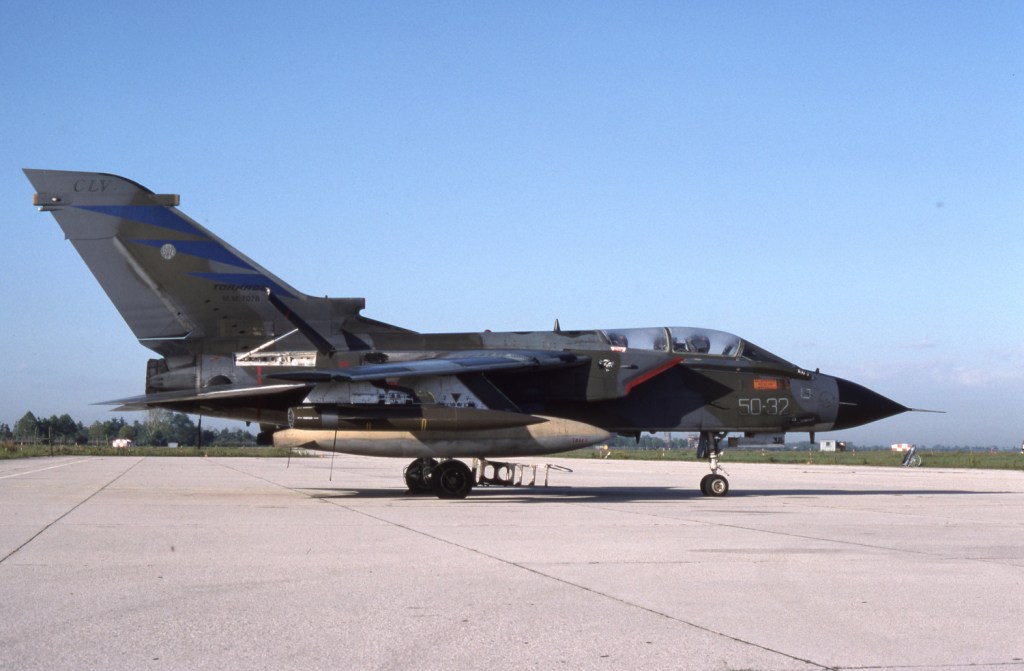
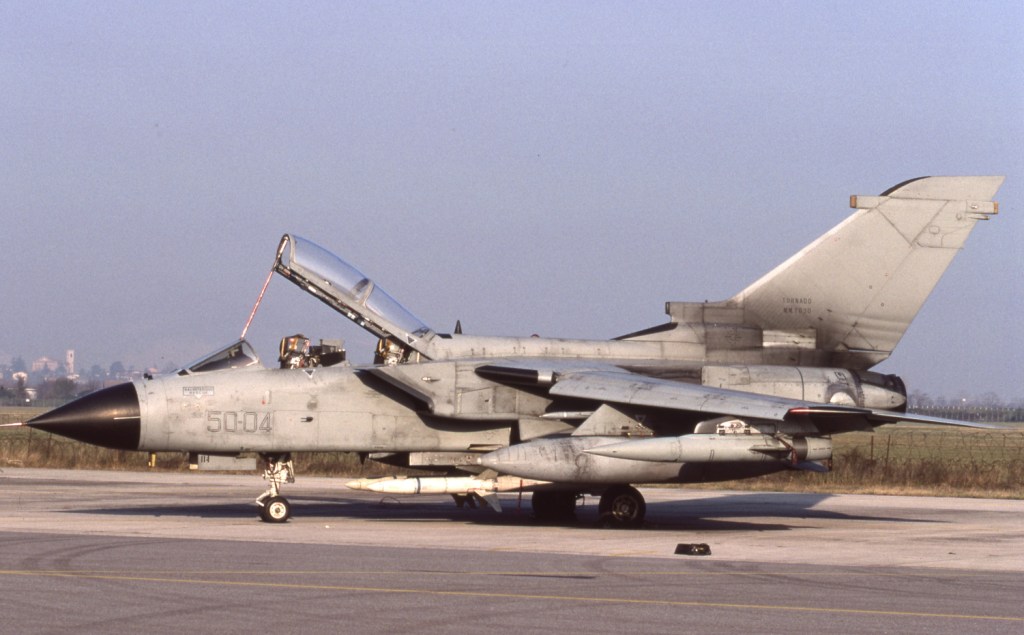
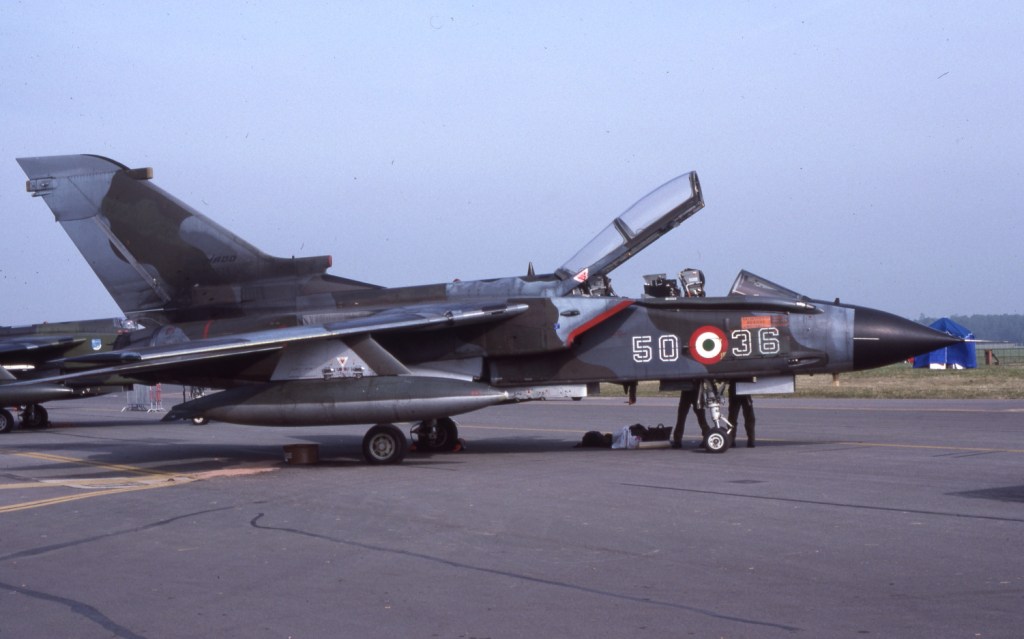
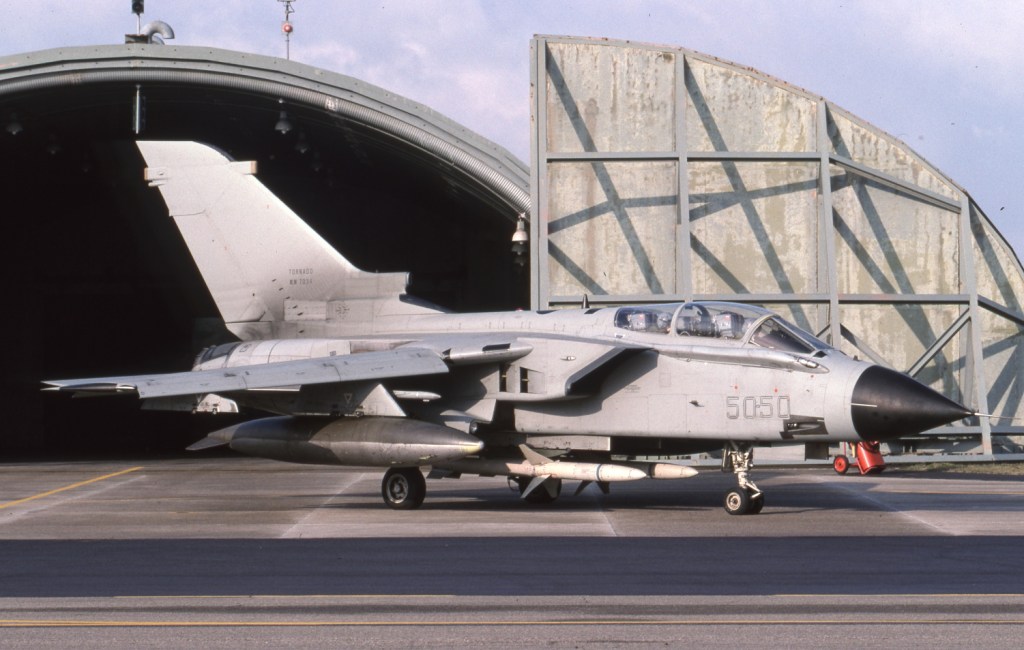
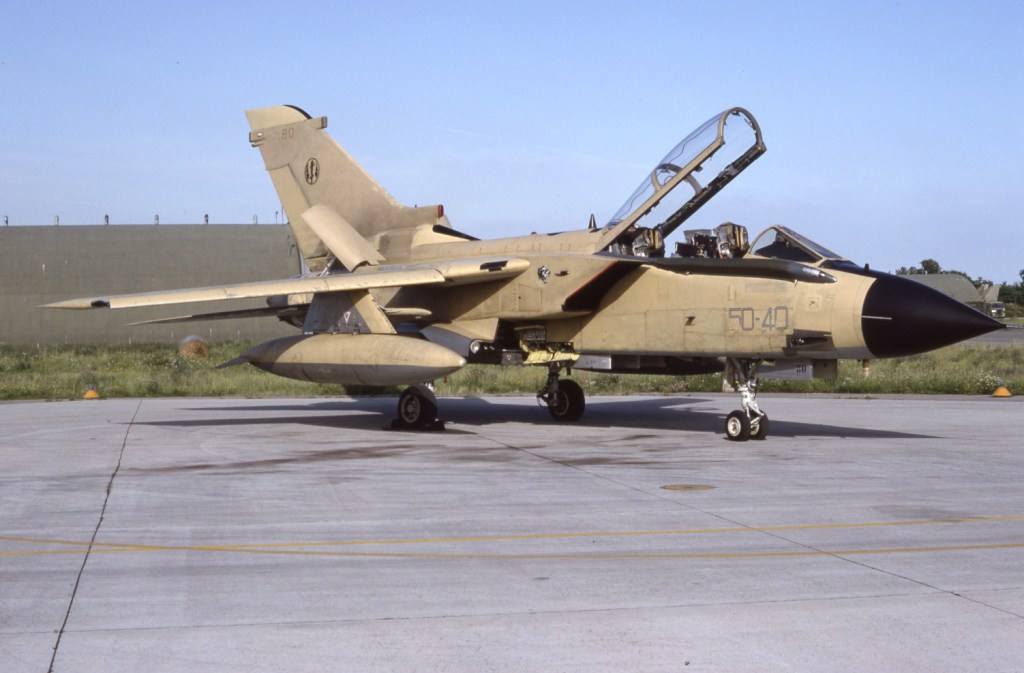
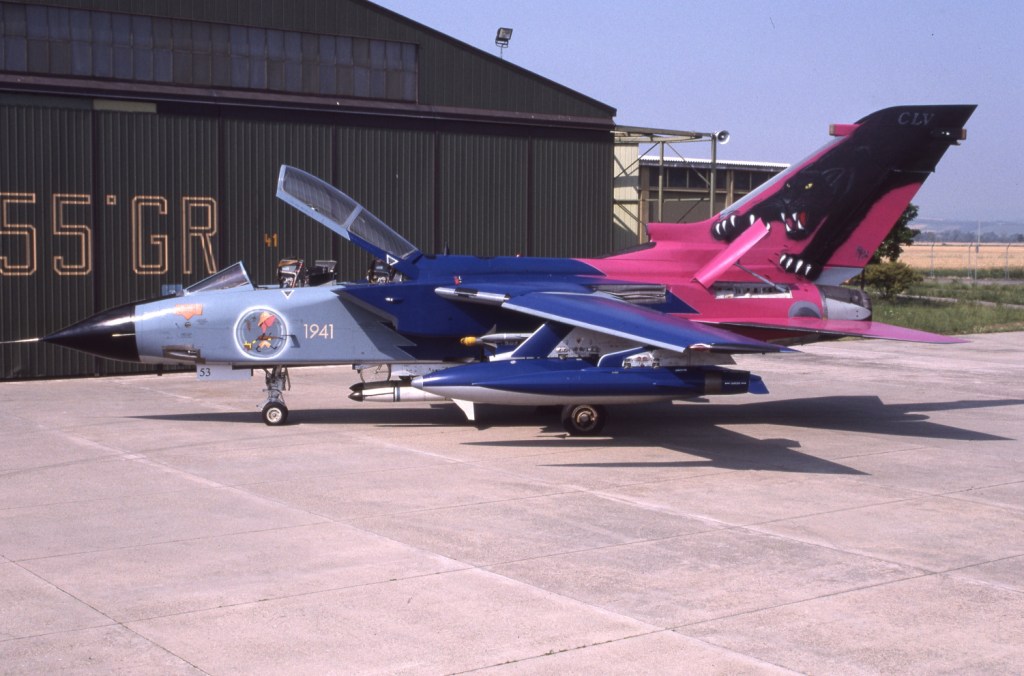
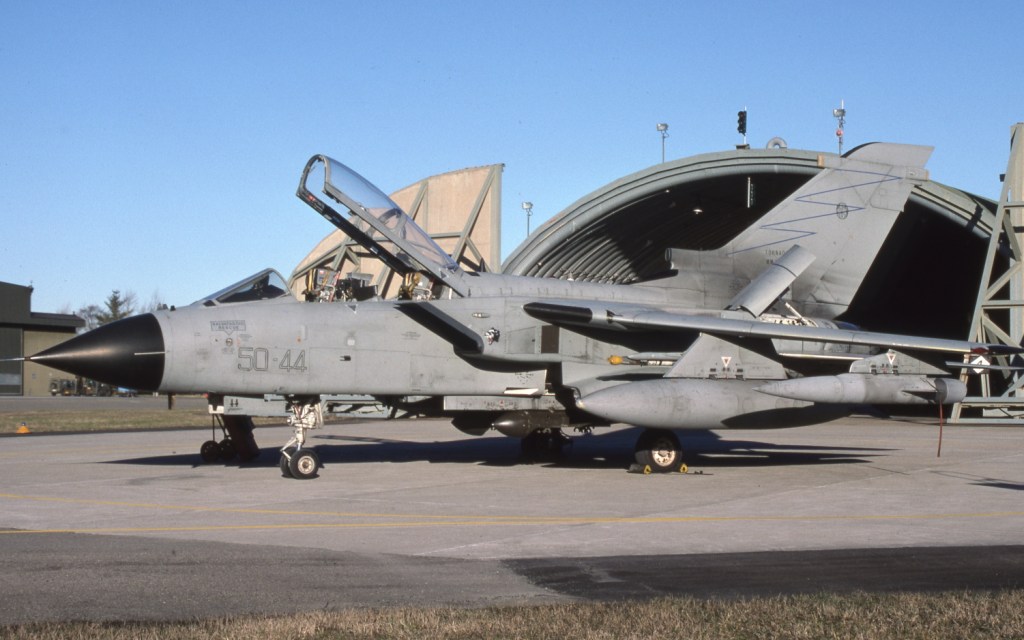
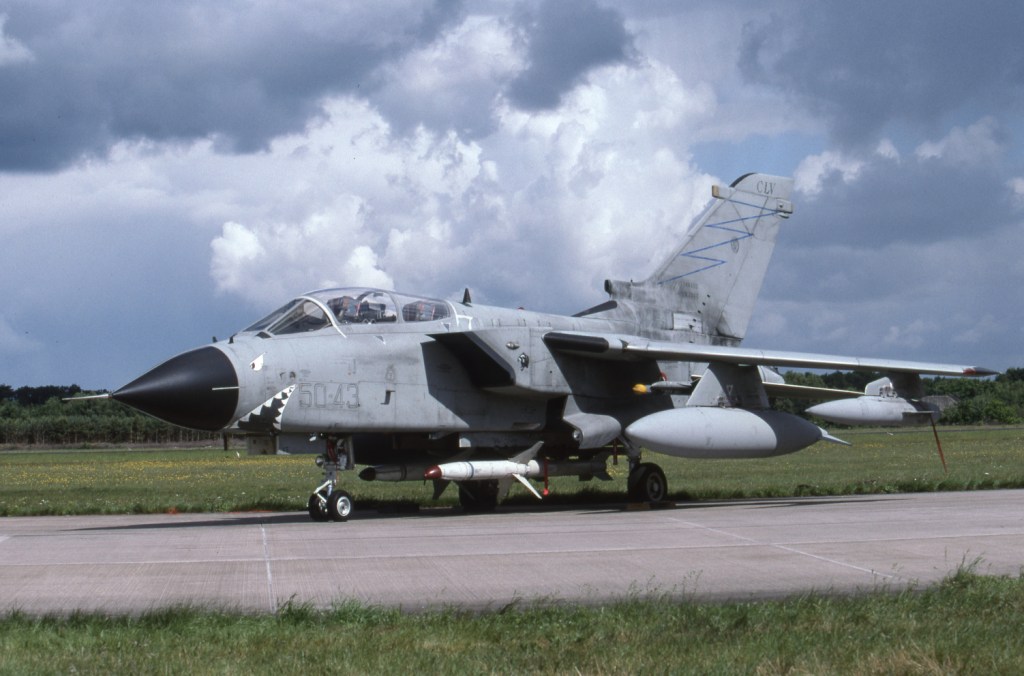
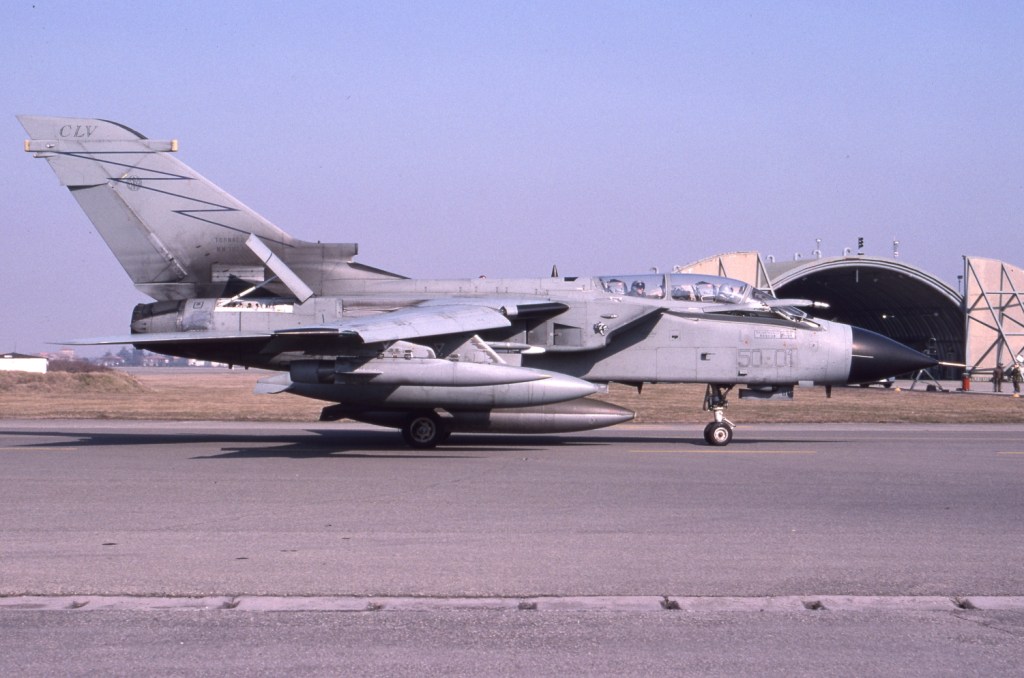
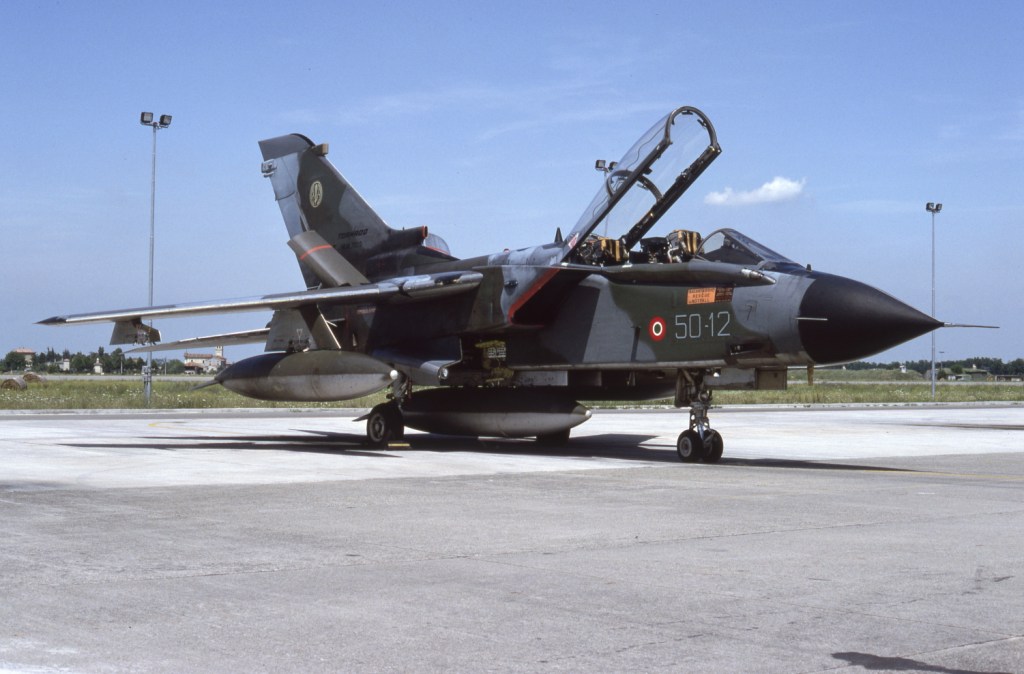
L’era Tornado e la nascita delle “Pantere Nere”
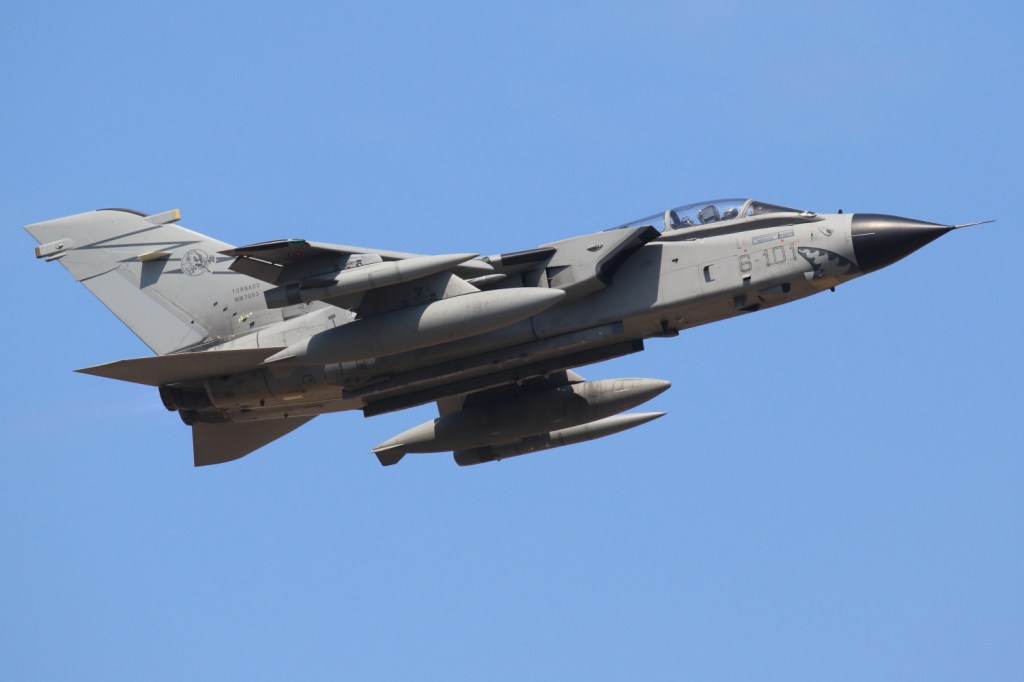
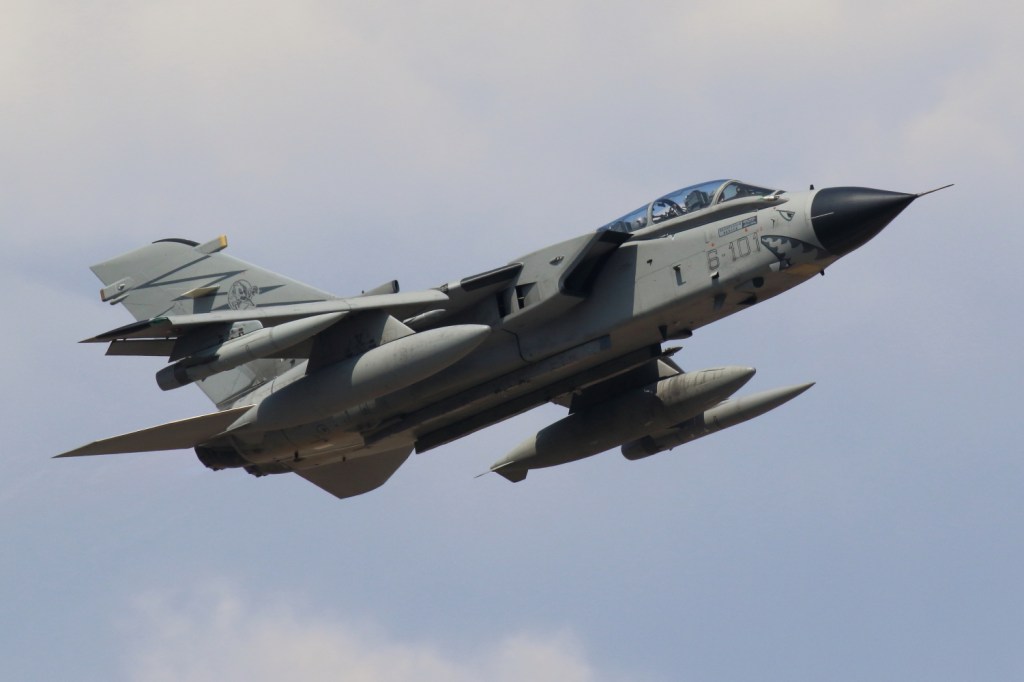
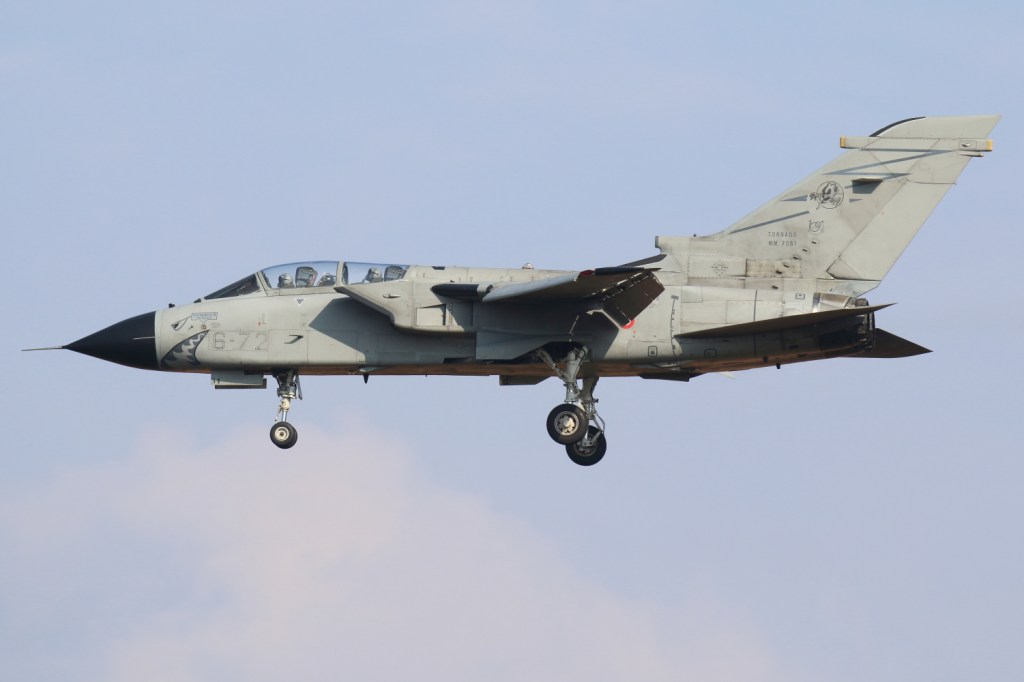
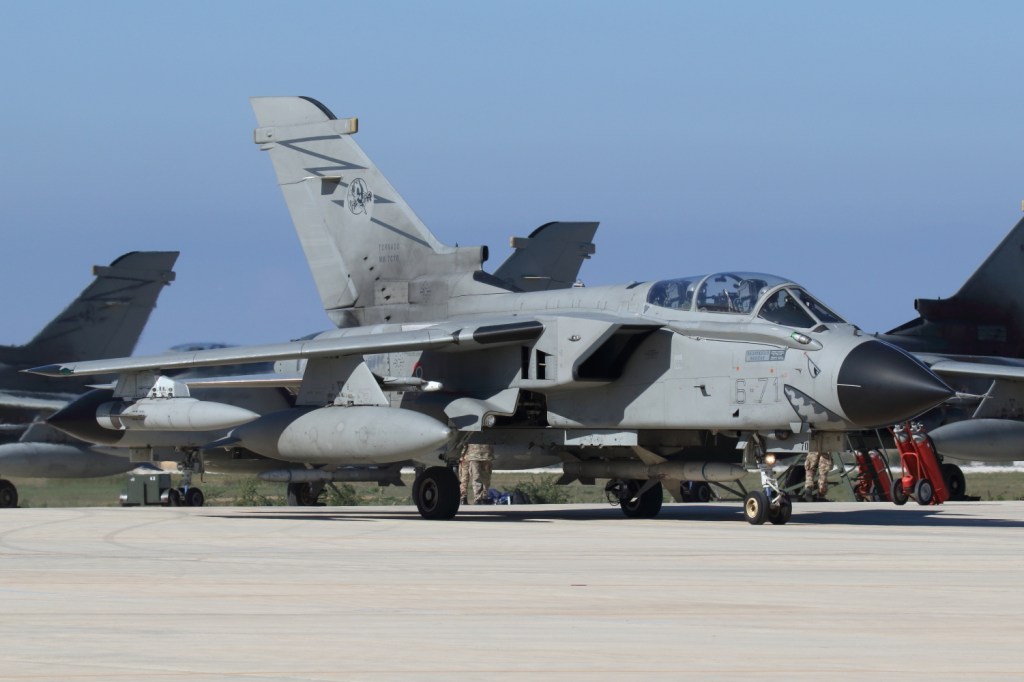
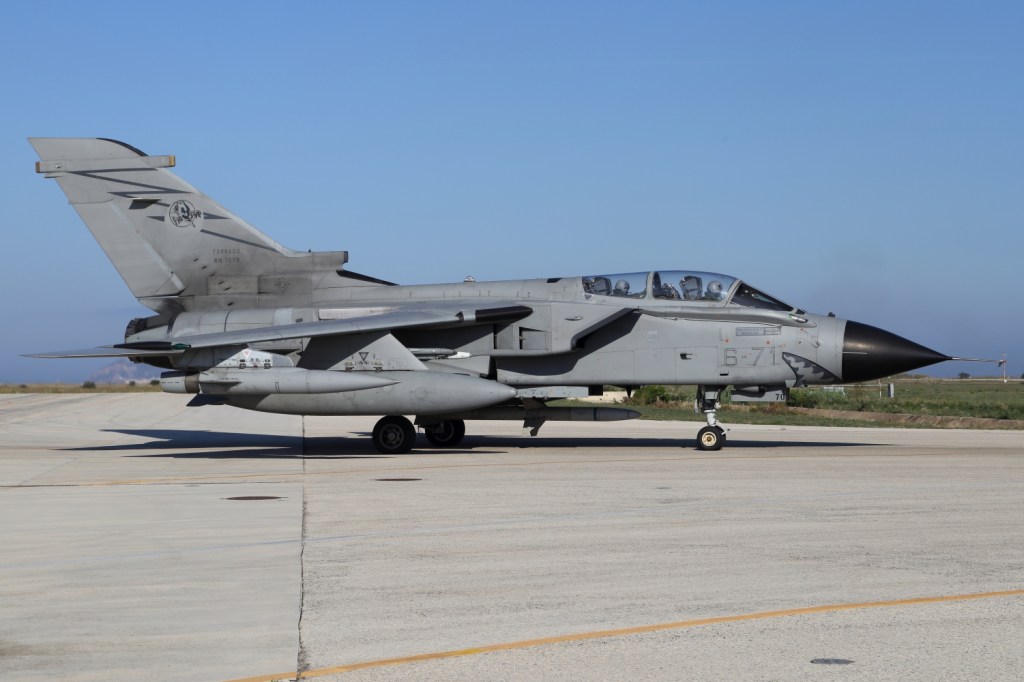
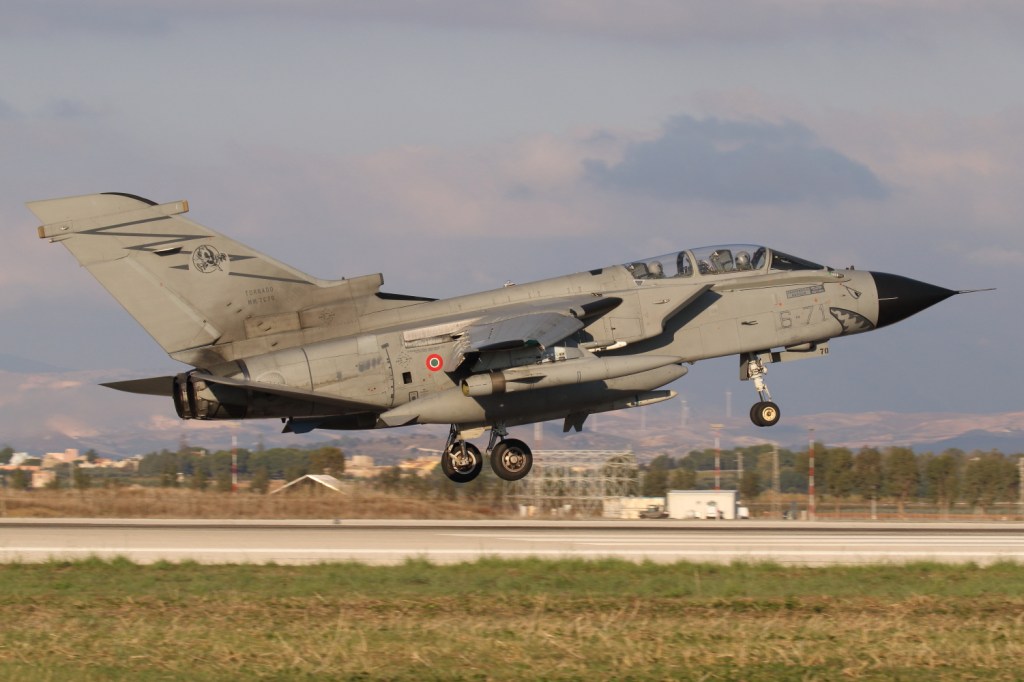
Gli anni Ottanta segnarono una svolta storica. Il reparto iniziò la transizione sul Panavia Tornado, uno dei più avanzati velivoli da combattimento europei dell’epoca.
Con il Tornado nacque definitivamente la moderna identità del 155° Gruppo, conosciuto anche con il soprannome di “Pantere Nere”, simbolo di aggressività, precisione e rapidità operativa.
Negli anni Novanta il 155° Gruppo divenne uno dei pochissimi reparti europei specializzati nella missione SEAD (Suppression of Enemy Air Defence), ossia la soppressione delle difese aeree nemiche.
Il 23 luglio del 1990 il 155° Gruppo venne riassegnato al 50° Stormo di Piacenza-San Damiano e pochi mesi dopo si trovò protagonista della sua prima grande operazione bellica moderna: la Guerra del Golfo.
Dal settembre 1990 il reparto prese parte all’Operazione Locusta, operando dalla Base di Al Dhafra, negli Emirati Arabi Uniti, nell’ambito di una forza multinazionale, per l’applicazione delle risoluzione dell’ONU in seguito all’invasione irachena del Kuwait. Dal 17 gennaio al 27 febbraio 1991 velivoli e personale del 155º Gruppo furono impiegati nell’operazione “Desert Storm” per la liberazione del Kuwait effettuando nei 42 giorni di guerra 91 sortite contro obiettivi militari in Kuwait ed in Iraq e in una di queste, nella notte tra il 17 e il 18 Gennaio, un Tornado con un equipaggio del reparto venne abbattuto; il Maggiore Gianmarco Bellini ed il Capitano Maurizio Cocciolone, rispettivamente pilota e navigatore dell’aereo abbattuto, vennero fatti prigionieri e rilasciati fortunatamente poi al termine della guerra.
Negli anni a seguire lo Stormo fu impiegato in varie operazioni nella ex Jugoslavia, partecipando tra il 1996 e il 1999 a Joint Guard, Joint Forge, Decisive Endeavour ed Allied Force, dopo che il 28 febbraio 1998 fu preso in consegna il primo esemplare di Tornado ECR.
Tra il 24 marzo e il 17 giugno 1999 nel corso della Guerra del Kosovo i Tornado ECR (Electronic Combat Reconnaissance) del 155º gruppo compirono 176 missioni sganciando 115 missili AGM-88 HARM (High speed Anti Radiation Missile), contro le postazioni radar serbe e in tale circostanza i piloti delle Pantere Nere furono i primi dell’Aeronautica Militare ad usare gli NVG (Night Vision Goggles: occhiali da visione notturna).
In occasione della crisi libica nel marzo del 2011 venne istituita una no-fly zone sulla Libia per tutelare l’incolumità della popolazione civile dai combattimenti tra le forze lealiste a Muʿammar Gheddafi e le forze ribelli del Consiglio nazionale di transizione; i velivoli del 155º Gruppo presero parte all’intervento militare nell’ambito della partecipazione italiana all’Operazione Unified Protector.
La chiusura del 50° Stormo e il trasferimento a Ghedi
Nel settembre 2016 il 50° Stormo venne ufficialmente sciolto e le attività operative trasferite presso la base di Ghedi.
Fu un momento carico di emozione per il personale e per gli appassionati di aviazione militare italiana. La storica base di San Damiano aveva rappresentato per decenni la casa delle “Pantere Nere”, diventando un simbolo della guerra elettronica italiana.
Il 155° Gruppo continuò comunque la propria missione all’interno del 6° Stormo, mantenendo intatte le proprie capacità operative e il prestigio accumulato nel corso degli anni.
85 anni dopo: tradizione e futuro.
Oggi, a 85 anni dalla sua fondazione, il 155° Gruppo rappresenta molto più di un semplice reparto di volo. È una scuola di professionalità, disciplina e innovazione tecnologica.
Dietro ogni missione, ogni decollo e ogni esercitazione ci sono uomini e donne che incarnano i valori più profondi dell’Aeronautica Militare: competenza, spirito di servizio, sacrificio e capacità di operare in ogni scenario.
Le “Pantere Nere” continuano ancora oggi a rappresentare una delle espressioni più avanzate e rispettate della capacità aerotattica italiana, portando avanti una tradizione iniziata nel lontano 1941 e destinata ( si spera ) a proseguire nel futuro; un futuro però al momento incerto in quanto non è ancora dato a sapere il destino del Gruppo Volo visto l’imminente dismissione del Tornado a Dicembre 2027.
Foto di ©Omar Rigamonti, ©Daniele Zanolini, ©Massimo Filippini ed Archivio ©QRA Aviation.
Testo di ©Omar Rigamonti
ENGLISH VERSION
85 Years of History, Courage and Innovation: the 155th Gruppo of the 50th Stormo
Within the landscape of Italian military aviation, there are units that represent not only an operational component, but true symbols of professionalism, sacrifice, and tradition. Among them, a special place belongs to the 155th Gruppo ETS (Electronic Warfare Tactical Suppression), a historic unit of the Italian Air Force that this year celebrates the important milestone of 85 years since its establishment.
Founded in January 1941, during one of the most difficult moments in European history, the 155th Gruppo has gone through wars, technological transformations, international missions, and geopolitical changes while always preserving its operational spirit.
For decades, this unit has been synonymous within the Italian Air Force with excellence in the suppression of enemy air defenses and electronic warfare, becoming one of the most prestigious and specialized units within NATO.
The Origins: operational baptism During the Second World War
The 155th Gruppo was officially established in January 1941 at Ciampino South Airfield, initially organized as a fighter unit of the Regia Aeronautica (Royal Italian Air Force).
Formed by the 151st, 360th, and 378th Flights and equipped with aircraft such as the Fiat G.50 Bis and later the Macchi Mc.200, Mc.202, and Mc.205, the unit operated in the skies over the Mediterranean, North Africa, Sardinia, and Sicily during the Second World War. In 1944, at Lecce Galatina Air Base, the 155th Gruppo, together with the 20th and 21st ones, formed the 50th Stormo.With the end of the conflict and the birth of the Republican Italian Air Force, the unit entered a new phase of its existence, accompanying Italy throughout the Cold War era.
From Reconstruction to the Cold War
During the post-war years, the 155th Gruppo was progressively re-equipped with increasingly modern aircraft: first the Spitfire Mk V and IX, followed by the P-51 Mustang, Vampire, F-84G, F-84F Thunderstreak, and eventually the iconic F-104S Starfighter. It was during the 1960s that the bond with the 50th Stormo became central to the unit’s history. On April 1st, 1967, the 50th Stormo was reactivated at San Damiano Air Base near Piacenza, and the 155th Gruppo became its operational core.
At that time, Italy was fully immersed in the strategic confrontation between NATO and the Warsaw Pact. The 155th Gruppo represented one of the advanced components of the nation’s air defense, constantly training for strike, interdiction, and allied support missions. The unit’s reputation quickly grew internationally thanks to its high training standards and the professionalism of its crews.
On October 13th, 1973, the 155th Gruppo left the 50th Stormo and was assigned to the 51st Stormo at Istrana Air Base, where it remained until January 1st, 1985, when it was reassigned to the 6th Stormo at Ghedi, beginning conversion to the new multirole aircraft, the Tornado. The unit designation changed from CB to CBOC.
The Tornado Era and the Birth of the “Black Panthers”
The 1980s marked a historic turning point. The unit began transitioning to the Panavia Tornado, one of the most advanced European combat aircraft of its era. With the Tornado, the modern identity of the 155th Gruppo was definitively born, also known by the nickname “Black Panthers,” symbolizing aggressiveness, precision, and operational speed. During the 1990s, the 155th Gruppo became one of the very few European units specialized in the SEAD mission (Suppression of Enemy Air Defence). On July 23rd, 1990, the 155th Gruppo was reassigned to the 50th Stormo at Piacenza-San Damiano and, only a few months later, found itself involved in its first major modern wartime operation: the Gulf War. Starting in September 1990, the unit took part in Operation Locusta, operating from Al Dhafra Air Base in the United Arab Emirates as part of a multinational force implementing UN resolutions following the Iraqi invasion of Kuwait.
From January 17th to February 27th, 1991, aircraft and personnel of the 155th Gruppo participated in Operation Desert Storm for the liberation of Kuwait, carrying out 91 sorties against military targets in Kuwait and Iraq during the 42 days of war. During one of these missions, on the night between January 17th and 18th, a Tornado crewed by personnel from this unit was shot down. Major Gianmarco Bellini and Captain Maurizio Cocciolone, respectively pilot and navigator of the downed aircraft, were captured and later fortunately released at the end of the war.
In the following years, the Stormo was employed in various operations in the former Yugoslavia, participating between 1996 and 1999 in Joint Guard, Joint Forge, Decisive Endeavour, and Allied Force, after receiving its first Tornado ECR aircraft on February 28th, 1998. Between March 24th and June 17th, 1999, during the Kosovo War, the Tornado ECRs (Electronic Combat Reconnaissance) of the 155th Gruppo carried out 176 missions, launching 115 AGM-88 HARM (High-speed Anti-Radiation Missile) missiles against Serbian radar installations. On that occasion, the pilots of the Black Panthers became the first Italian Air Force ones to use NVGs (Night Vision Goggles).
During the Libyan crisis in March 2011, a no-fly zone was established over Libya to protect civilians from the fighting between forces loyal to Muammar Gaddafi and the rebel forces of the National Transitional Council. Aircraft of the 155th Gruppo took part in the military intervention as part of Italy’s participation in Operation Unified Protector.
The Closure of the 50th Stormo and the Transfer to Ghedi
In September 2016, the 50th Stormo was officially disbanded and operational activities were transferred to Ghedi Air Base.
It was a highly emotional moment for personnel and enthusiasts of Italian military aviation alike. For decades, the historic San Damiano base had been the home of the “Black Panthers,” becoming a symbol of Italian electronic warfare. Nevertheless, the 155th Gruppo continued its mission within the 6th Stormo, maintaining intact both its operational capabilities and the prestige earned over the years.
85 Years Later: Tradition and Future
Today, 85 years after its foundation, the 155th Gruppo represents far more than just a flying unit. It is a school of professionalism, discipline, and technological innovation. Behind every mission, every takeoff, and every exercise are men and women who embody the deepest values of the Italian Air Force: competence, spirit of service, sacrifice, and the ability to operate in any scenario. Even today, the “Black Panthers” continue to represent one of the most advanced and respected expressions of Italian air tactical capability, carrying forward a tradition that began back in 1941 and which, hopefully, will continue into the future.
A future that remains uncertain for the moment, as the destiny of the flying unit is still unknown given the imminent retirement of the Tornado fleet in December 2027.
Photos by ©Omar Rigamonti, ©Daniele Zanolini, ©Massimo Filippini, and ©QRA Aviation Archive.
Text by ©Omar Rigamonti
Video dell’Aeronautica Militare per gli 80 anni del 155° Gruppo.


Lascia un commento