
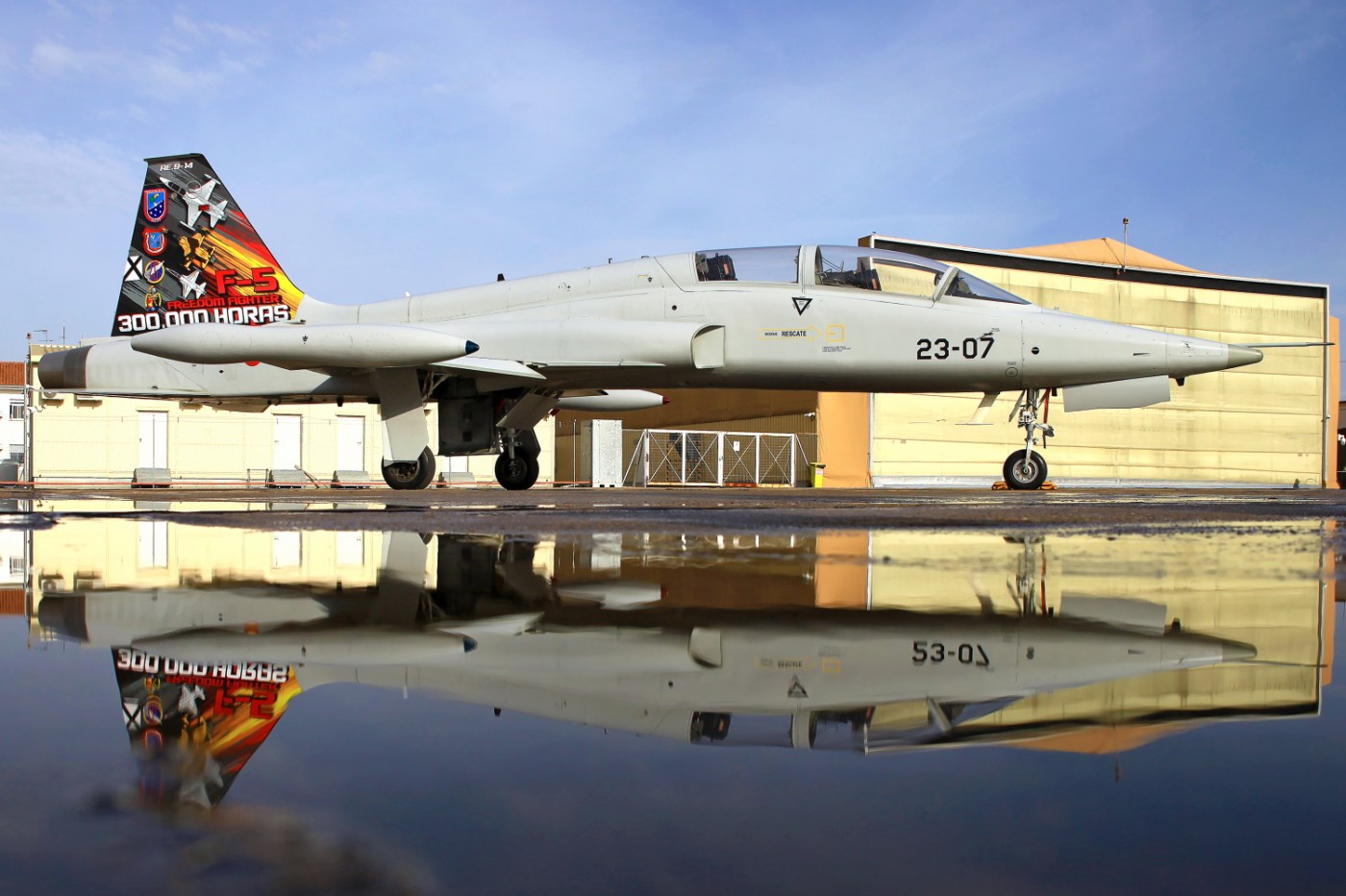
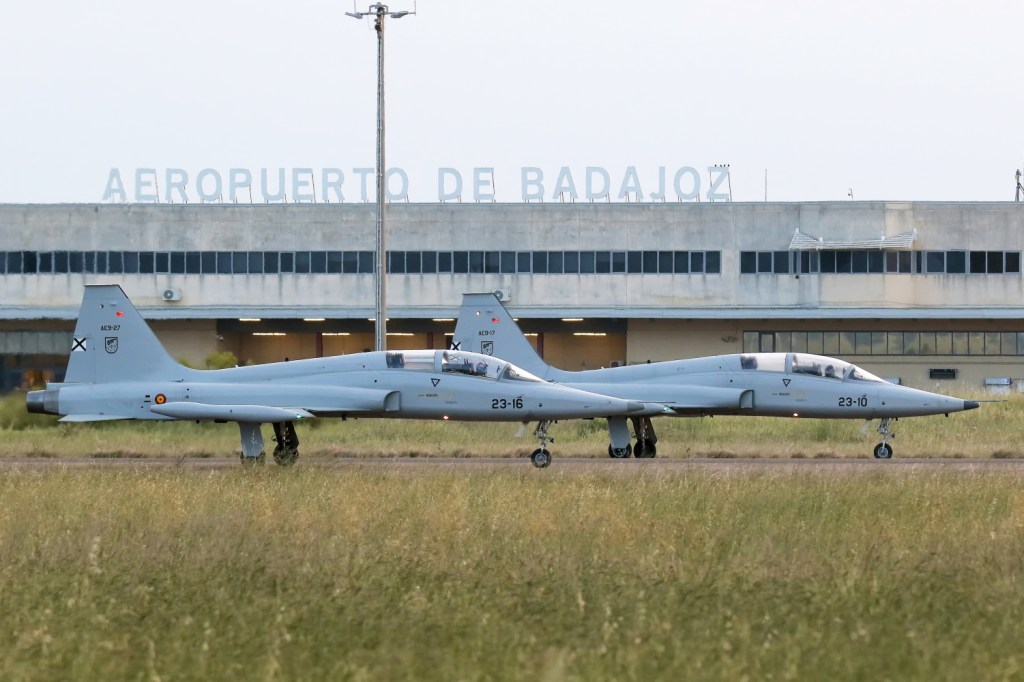
Gli aerei da addestramento avanzato SF-5 M dell’aviazione spagnola hanno raggiunto il notevole traguardo delle 300000 ore di volo con l’Ejército del Aire. Per festeggiare tale traguardo, la Spanish Air and Space Force (SPASF) ha deciso di realizzare uno special color che raffigurasse tutti i reparti che hanno avuto in carico l’F-5, quali l’ALA 23, l’ALA 21, l’ALA 46 e il CLAEX (Centro Logistico de Armamento y Experimentación – Operation Test and Evaluation Center in gergo inglese), e tutte le varie colorazioni che ha portato nel corso dei suoi prestigiosi 55 anni di servizio. Pochi aerei hanno significato tanto per l’aviazione spagnola quanto l’SF-5 M che, oltretutto, vede anche lui arrivare inesorabilmente la fine della sua carriera operativa. Per tutti questi motivi, e per celebrare questo importante traguardo, la SPASF ha deciso di svolgere una serie di attività nel mese di aprile, tra cui due giornate dedicate agli appassionati di aviazione, dando loro un’occasione unica per fotografare diversi assetti spagnoli in un contesto storico. Anche la scelta del 23 e 24 aprile per tale evento non è a caso e rimanda subito all’ALA 23 che ospita l’evento.


Primo giorno
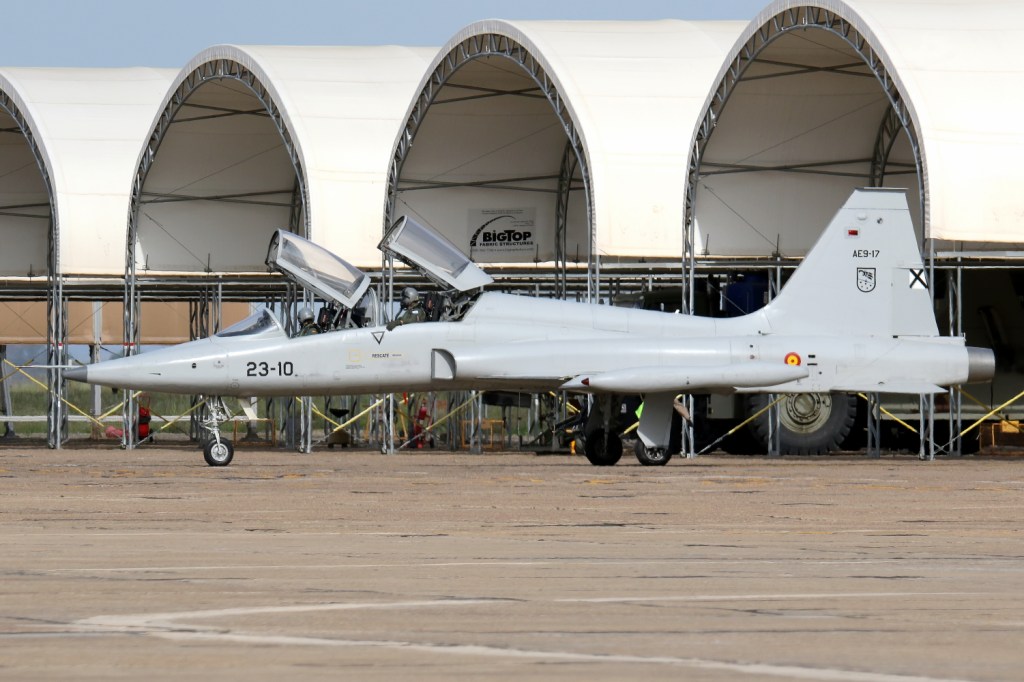
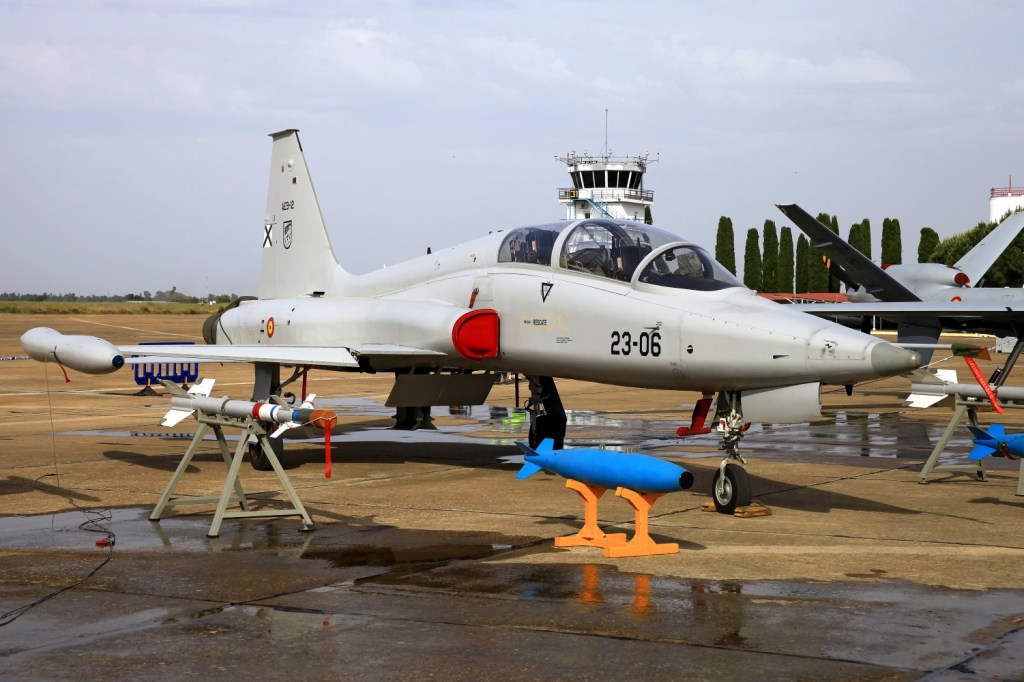
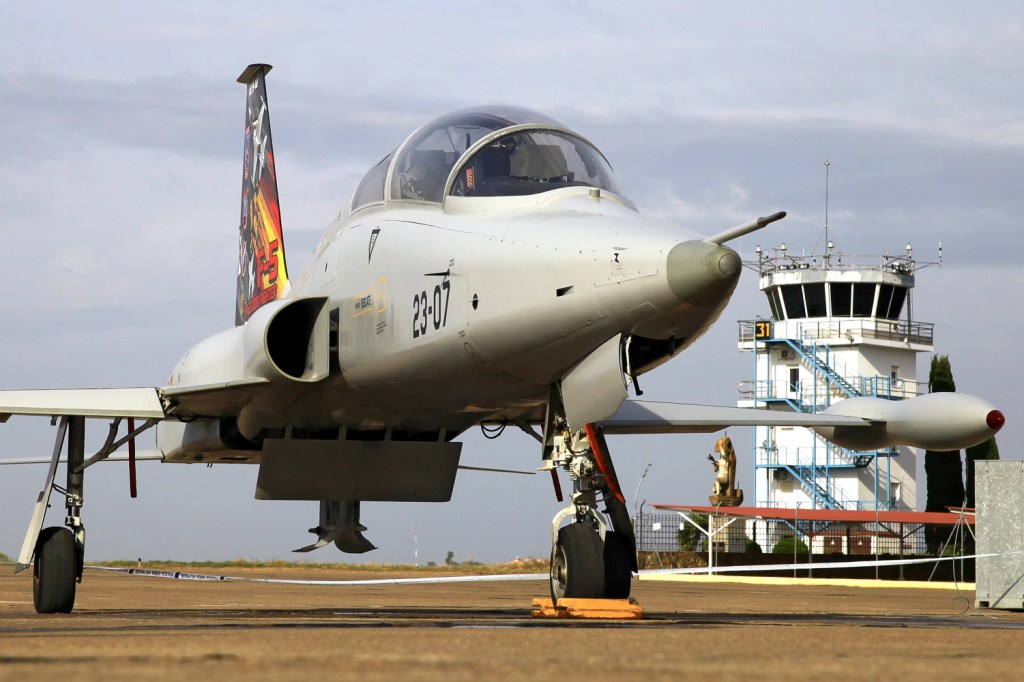
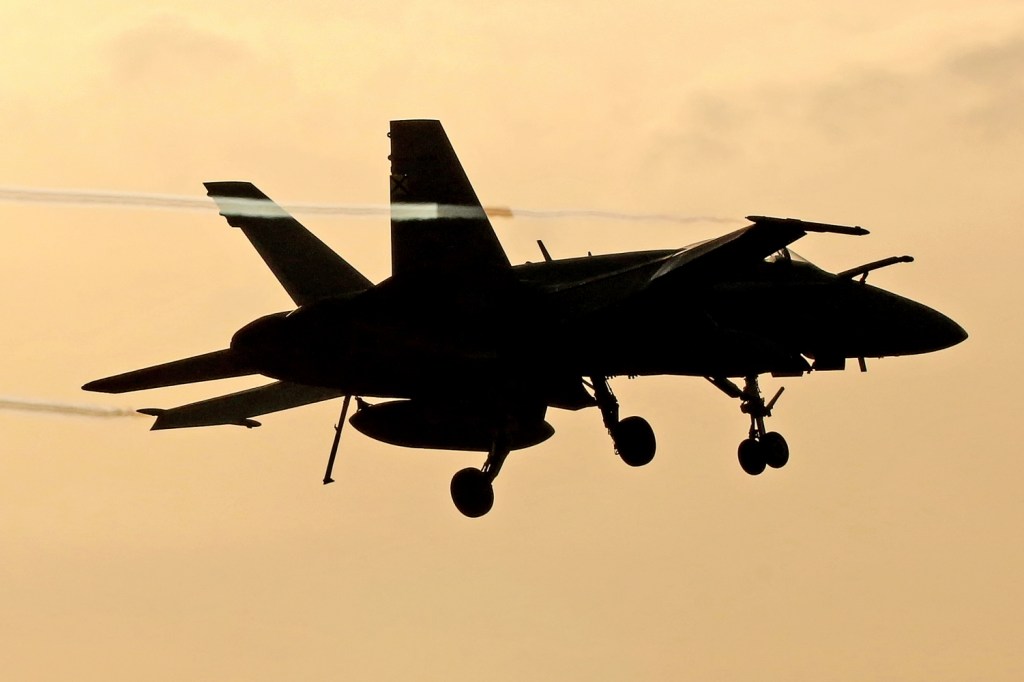
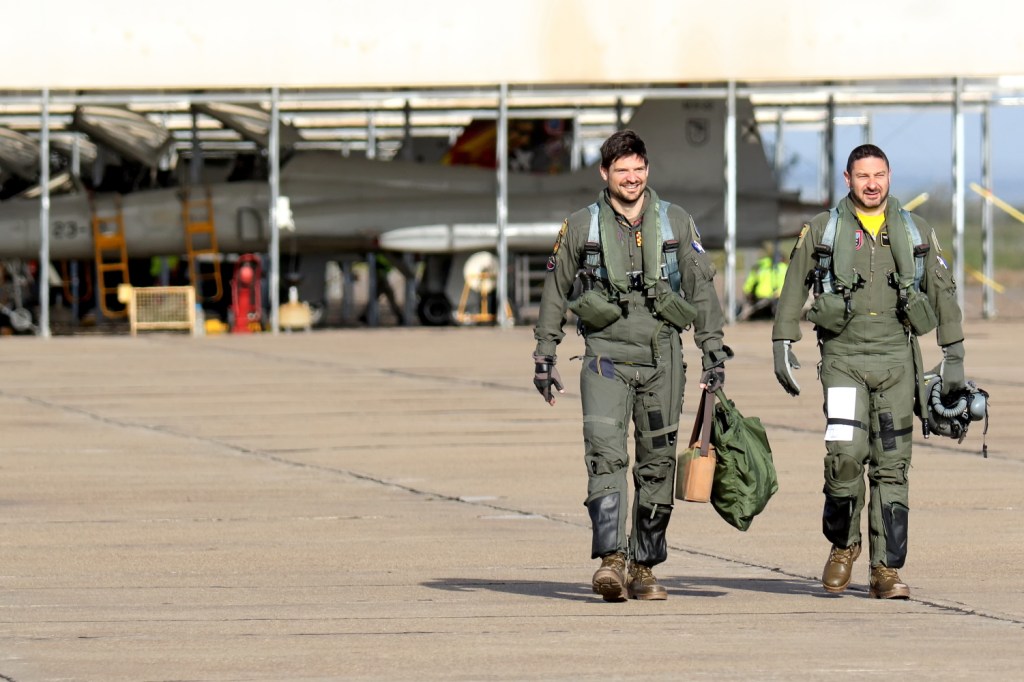
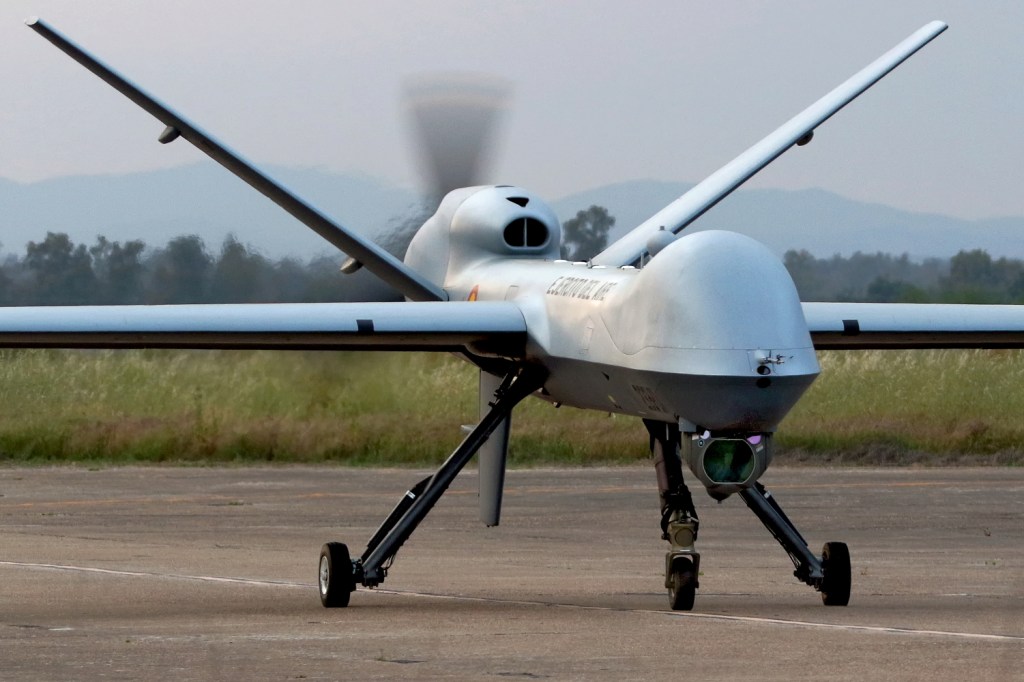
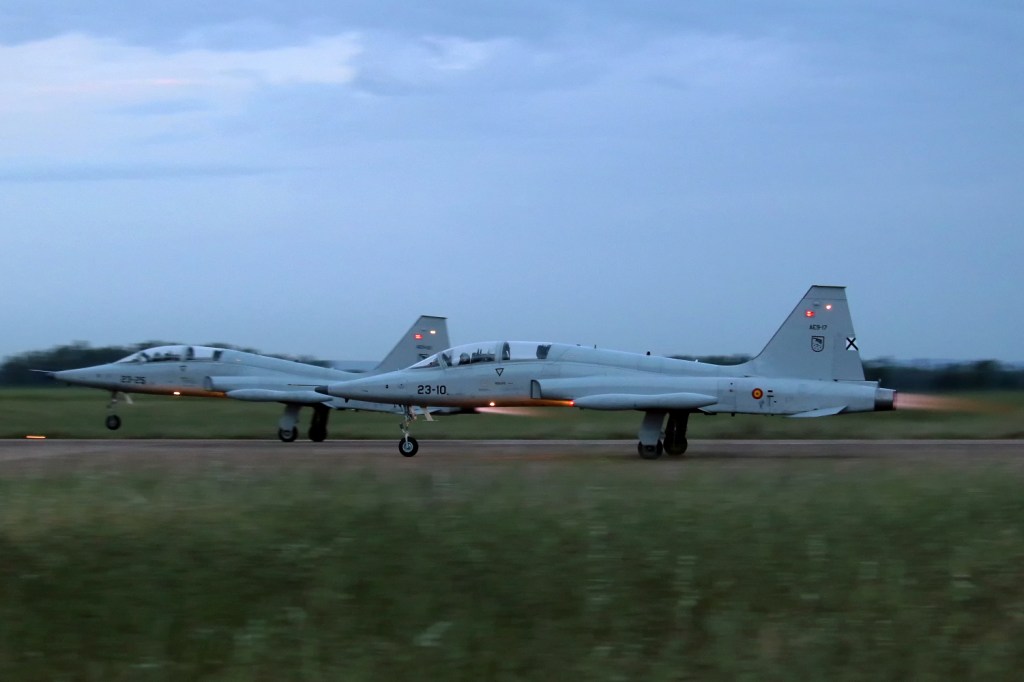
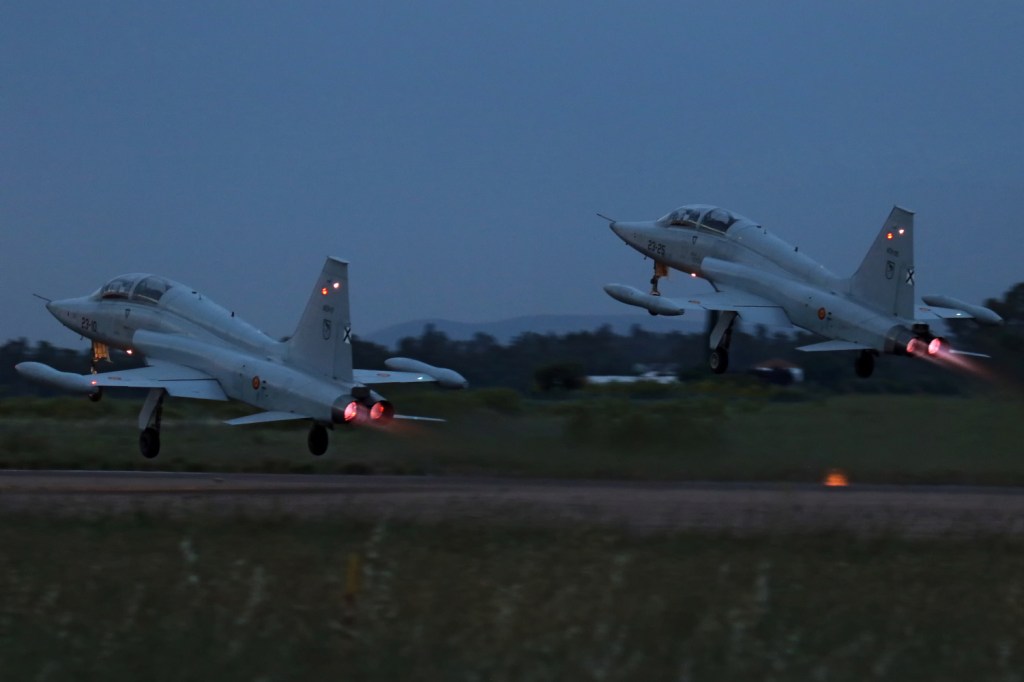
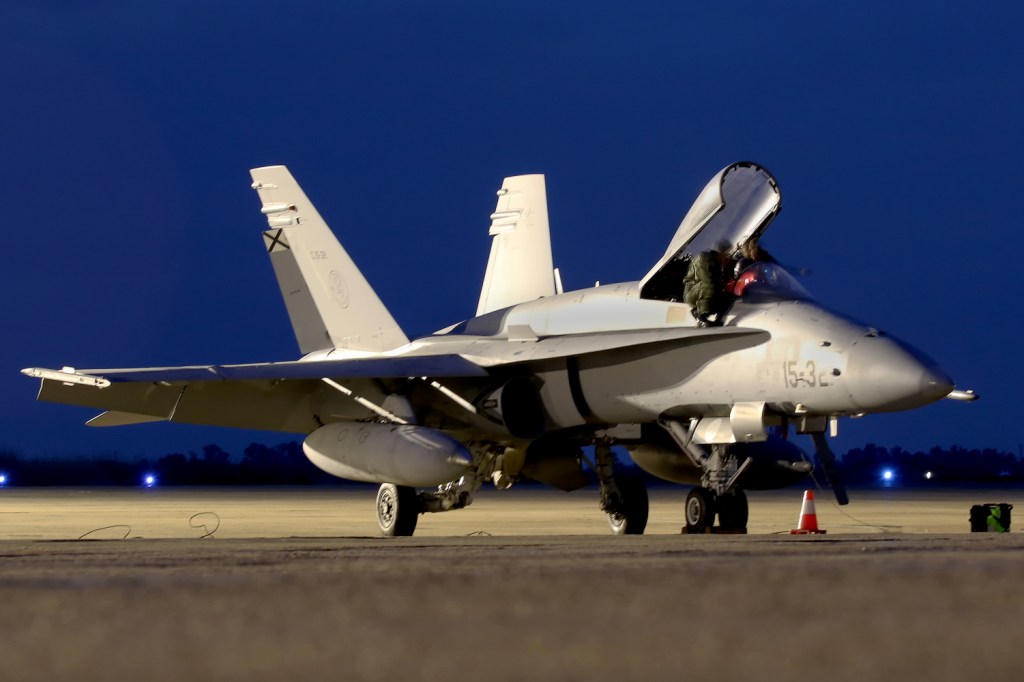
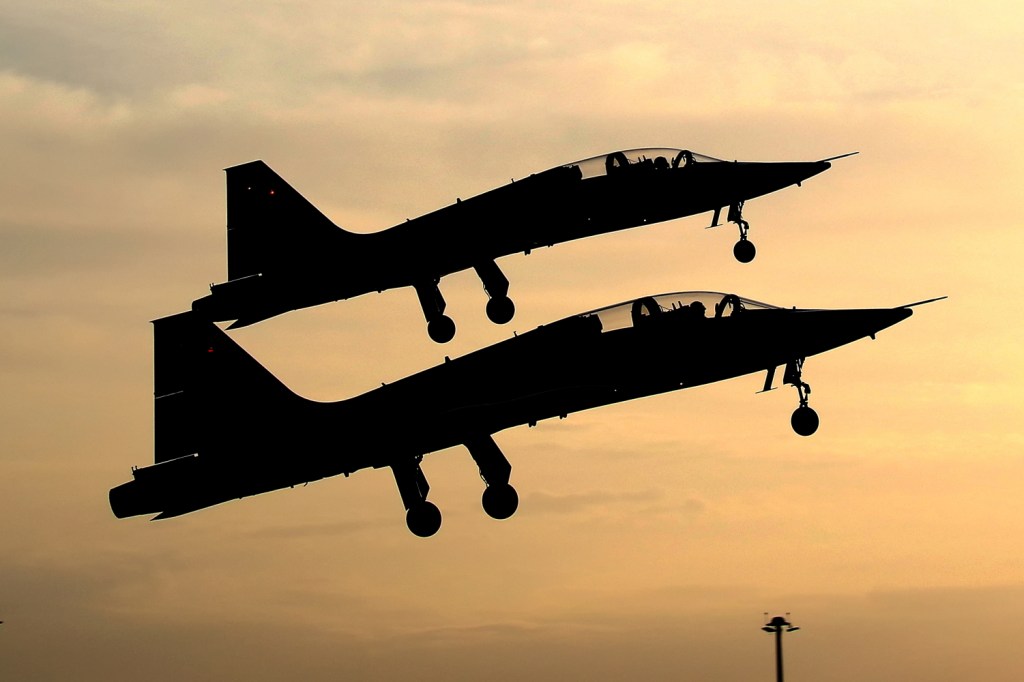
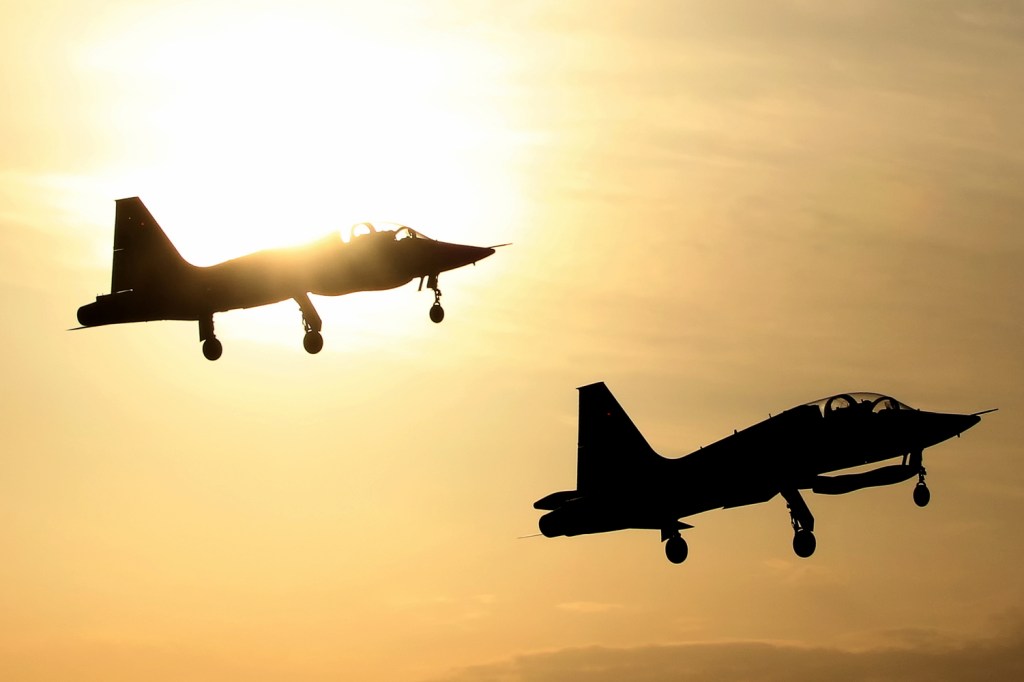
Durante il primo giorno, oltre a una mostra statica composta da vari aerei in forza alla SPASF, come SF-5M, F/A-18A, EF-2000 e un MQ-9 Reaper a pilotaggio remoto, si è potuto assistere a una sessione notturna con il decollo di una coppia di F-5 con l’uso dei postbruciatori. Fin dall’ingresso in base si è percepito quanto tutto il personale dell’aeroporto, impegnato nell’evento, si fosse prodigato per la migliore riuscita delle attività programmate. Anche l’utilizzo di una cisterna dei vigili del fuoco per creare pozzanghere artificiali temporanee, così da sfruttare i riflessi dell’acqua e ottenere un valore aggiunto per gli scatti fotografici, dimostra la volontà di rendere l’evento unico e memorabile per i presenti. Quando il sole si è avvicinato all’orizzonte, gli invitati sono stati spostati dall’area statica alla zona fronte hangar che ospitava la linea volo degli F-5, per assistere all’arrivo dei piloti, alle operazioni di pre-volo e all’uscita dei velivoli dagli hangar in preparazione al decollo. Oltre alla coppia di F-5, anche un UAV MQ-9B Reaper (Predator B) ha iniziato il rullaggio, fermandosi poi in fondo al piazzale mentre tutti gli ospiti venivano nuovamente spostati, questa volta in un’area adiacente al raccordo parallelo alla pista, per assistere al passaggio dei velivoli e al loro posizionamento in testata pista. Una volta transitati i tre velivoli, il personale della sicurezza volo ha invitato i presenti a un ulteriore spostamento, fino a raggiungere la zona prossima alla pista principale, per assistere finalmente ai decolli. Al momento dell’arrivo in quest’ultima postazione fotografica, il sole aveva ormai oltrepassato l’orizzonte e si era entrati pienamente nella cosiddetta “ora blu”, il periodo tra il tramonto e il buio completo. A quel punto la sicurezza volo ha dato il via libera e gli F-5 sono decollati con postbruciatori per una missione addestrativa notturna in formazione. Anche il Predator B ha avuto il suo momento operativo: dopo il decollo, il pilota da terra ha effettuato circuiti attorno alla base, ripetendo procedure di atterraggio in visione notturna in attesa del rientro della coppia di F-5. Nel frattempo, il buio era ormai completo e, al rientro dei velivoli, erano visibili soltanto le luci di posizione e di atterraggio. I piloti, desiderosi di intrattenere ulteriormente il pubblico, hanno eseguito una lunga serie di touch-and-go, sia con sia senza l’uso dei postbruciatori. Quando infine i due F-5 sono atterrati e hanno raggiunto la loro area di parcheggio, la sicurezza volo ha fatto rientrare gli invitati sul piazzale principale per le ultime fotografie agli aerei ricoverati sotto gli hangar illuminati artificialmente, prima del saluto finale e dell’appuntamento alla mattina seguente all’alba.
Secondo giorno
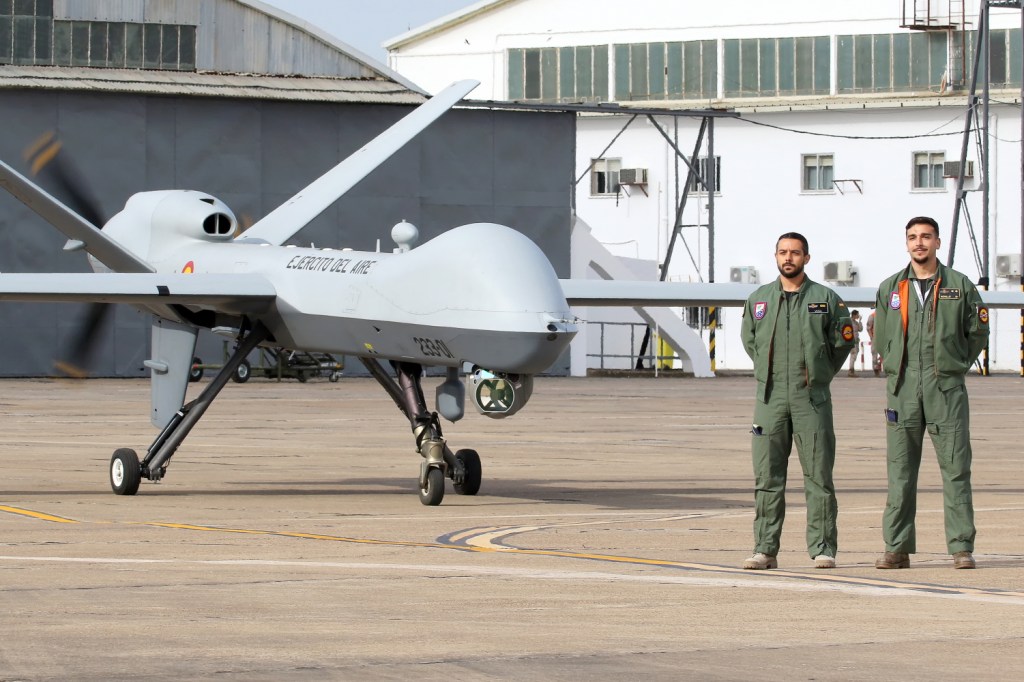
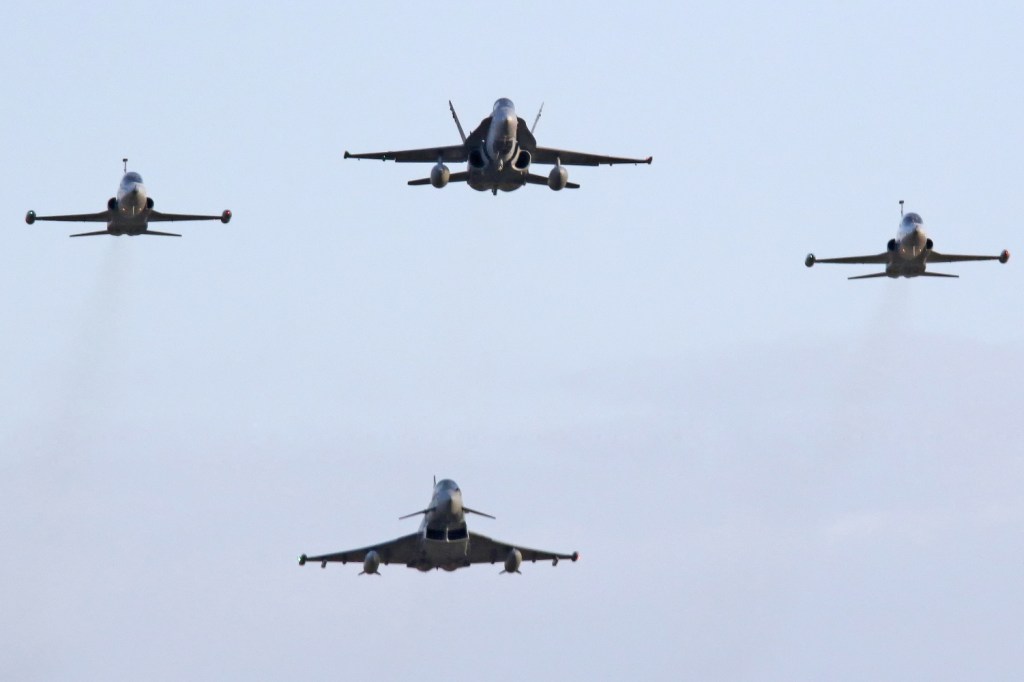
Dopo aver salutato la base alle 23 della sera precedente, gli invitati si sono nuovamente presentati per un ingresso alle 6 del mattino, attesi come da programma per assistere a una missione di volo al sorgere del sole. Anche in questa occasione si è percepita la volontà dell’organizzazione di rendere questa due giorni di fotografia un’esperienza, per così dire, “romantica”, attraverso la scelta di orari particolari per l’attività operativa. Era ancora buio quando i piloti si sono diretti verso gli aeromobili per le operazioni di pre-volo, in attesa delle prime luci dell’alba per l’avviamento dei motori. Anche gli aeromobili ospiti presenti per la mostra statica hanno iniziato le operazioni di preparazione, con l’intento di muoversi contemporaneamente e creare una sorta di mini “elephant walk” insieme ai velivoli di base. Come il giorno precedente, dopo che tutti i velivoli hanno lasciato le rispettive piazzole, il gruppo si è spostato lungo il raccordo per il primo passaggio, per poi raggiungere la zona prossima alla pista principale in vista dei decolli. Quando il sole è apparso all’orizzonte, l’MQ-9 Reaper, i due F-5, l’F/A-18A e l’EF-2000 Typhoon hanno percorso lentamente la pista in formazione ristretta, per poi posizionarsi alla soglia opposta e prepararsi al decollo. Uno alla volta, i velivoli hanno preso il volo: mentre quelli della base proseguivano per una missione operativa, gli ospiti si sono ripresentati nel circuito per un saluto, effettuando riattaccate ad alto fattore di carico. Quando la coppia di velivoli di base è rientrata e atterrata, il gruppo di invitati è tornato sul piazzale principale, questa volta per assistere all’esibizione in volo dell’SF-5M special color, che dopo l’atterraggio ha effettuato un passaggio davanti ai fotografi per gli ultimi scatti. Lo stesso è avvenuto per l’MQ-9 Reaper, che dopo l’atterraggio è stato fatto sfilare e fermare davanti agli invitati per le fotografie, anche con i piloti della 233ª Squadriglia. Terminata l’attività prevista per questa due giorni, il comandante della base aerea di Talavera la Real Air Base e dell’ALA 23, il colonnello Daniel Fernández de Bobadilla Lorenzo, è intervenuto per i ringraziamenti finali, unendosi al gruppo in modo informale per scambiare qualche parola con vecchi e nuovi amici. La mattinata è quindi giunta al termine e i partecipanti sono stati invitati a dirigersi verso l’uscita per raggiungere i propri mezzi, ma è stata ancora concessa la possibilità di assistere a un’ulteriore sortita di una coppia di SF-5M, impegnata nell’avviamento dei motori per una nuova missione addestrativa.
È impressionante come, pur essendo la squadriglia impegnata nell’evento, sia la mattina del 23 sia subito dopo la conclusione della visita del 24, l’attività addestrativa non si sia mai interrotta, con sortite regolari di coppie di F-5 durante il resto delle giornate. Come accennato, la vita operativa di questo straordinario addestratore sta però giungendo al termine. Si parla infatti di poco più di un anno, dopo il quale è stato confermato che l’SF-5M verrà sostituito dal nuovo addestratore avanzato di costruzione turca Hürjet, sviluppato da Turkish Aerospace Industries, presentato per la prima volta al Salone Internazionale in Egitto nel 2025, sebbene fosse già stato testato dagli spagnoli alcuni mesi prima durante una visita organizzata dall’azienda in Spagna.


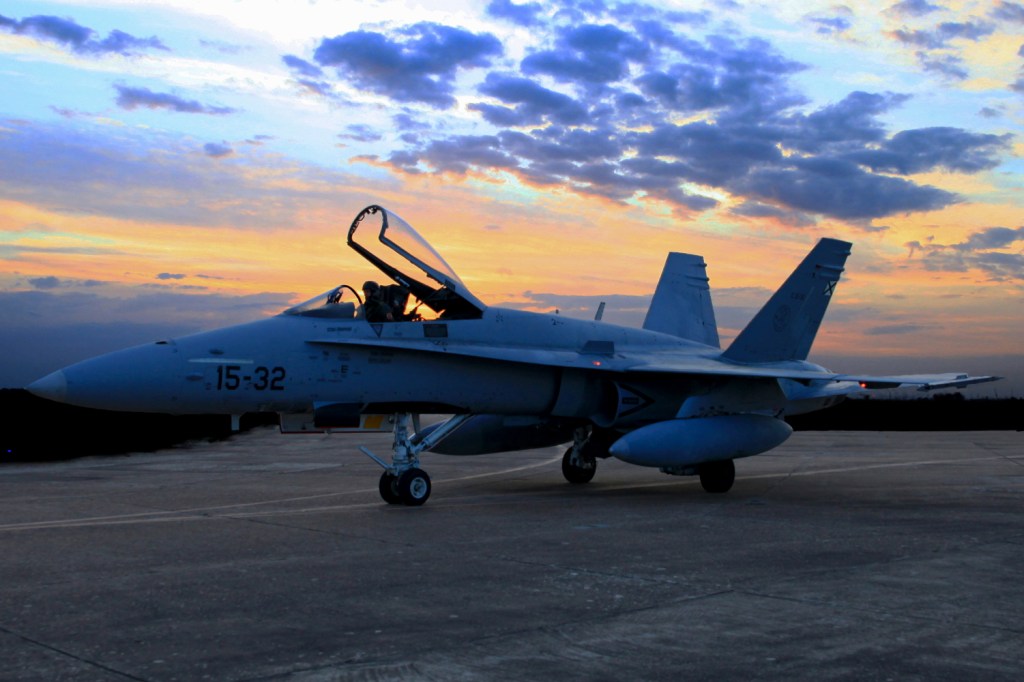

Non resta che sperare che anche in occasione del “Fly Out” dell’F-5 venga organizzato un evento simile ma, nell’attesa che ciò avvenga, non resta che augurare BUON LAVORO a questo prestigioso Wing.
Articolo e Foto di ©Mirco Bonato e ©Stefano Polato
ENGLISH VERSION
300,000 Hours at Ala 23
The Spanish Air and Space Force’s SF-5M advanced jet trainers have reached the remarkable milestone of 300,000 flight hours in service with the Ejército del Aire. To celebrate this achievement, the Spanish Air and Space Force (SPASF) commissioned a special colour scheme depicting every unit that has operated the F-5, namely Ala 23, Ala 21, Ala 46 and CLAEX (Centro Logístico de Armamento y Experimentación – Operational Test and Evaluation Center), together with the various camouflage and paint schemes the aircraft has worn throughout its distinguished 55 years of service. Few aircraft have meant as much to Spanish military aviation as the SF-5M, which is now also approaching the inevitable end of its operational career. To mark this important milestone, the SPASF organised a series of events throughout April, including two days dedicated to aviation enthusiasts, giving them a unique opportunity to photograph a variety of Spanish Air and Space Force assets in a truly historic setting. The choice of 23 and 24 April for the event was no coincidence, as the dates directly refer to Ala 23, the unit hosting the celebrations.

Day One
During the first day, in addition to a static display featuring several aircraft operated by the SPASF, such as the SF-5M, F/A-18A, EF-2000 Typhoon, and the remotely piloted MQ-9 Reaper, attendees were treated to a night session highlighted by the take-off of a pair of F-5s using afterburners. From the moment of arrival at the base, it was clear how the entire airport staff involved in the event had worked tirelessly to ensure the best possible outcome of the planned activities. Even the use of a fire truck to create temporary puddles, in order to enhance photographic reflections and add visual value to the shots, demonstrated the determination to make the event unique and memorable for all participants. As the sun approached the horizon, guests were moved from the static display area to the apron in front of the hangars housing the F-5 flight line, where they could observe the pilots’ arrival, pre-flight preparations, and the aircraft being rolled out of the hangars in preparation for departure. In addition to the pair of F-5s, an MQ-9B Reaper (Predator B) UAV also began taxiing, stopping at the far end of the apron while all guests were once again relocated, this time to an area adjacent to the taxiway parallel to the runway, to watch the aircraft pass by and line up at the runway threshold. Once the three aircraft had passed, flight safety personnel instructed everyone to move once more to a position near the main runway in order to witness the take-offs. By the time they reached this final viewing location, the sun had already set and the so-called “blue hour” had begun, the period between sunset and complete darkness. At that point, flight safety cleared the operation, and the two F-5s took off using afterburners for a night formation training mission. The Predator B also had its operational moment: after take-off, the ground-based pilot flew circuits around the air base, repeatedly practicing night-vision landing procedures while waiting for the F-5 formation to return. By then, darkness had fully set in, and upon their return only navigation and landing lights were visible. The pilots, still eager to entertain the audience, performed a long series of touch-and-go landings, both with and without afterburner. Finally, once the two F-5s had landed and reached their parking area, flight safety escorted the guests back to the main apron for final photographs of the aircraft parked under the floodlit hangars, before bidding farewell and meeting again the following morning at dawn.
Day Two
After leaving the base at 11 p.m. the previous evening, the guests once again arrived for a 6 a.m. entry, as scheduled, to witness a sunrise flying mission. Once again, the organization’s intention was evident: to turn this two-day photography event into a somewhat “romantic” experience, achieved through the choice of these specific operational time slots. It was still dark when the pilots made their way to the aircraft for pre-flight operations, waiting for the first light of dawn to start the engines. The visiting aircraft on static display also began their preparations, with the intention of moving simultaneously and creating a small “elephant walk” alongside the base aircraft. As on the previous day, once all aircraft had left their parking positions, the group moved along the taxiway for the first pass, before proceeding to the area near the main runway for departures. As the sun appeared on the horizon, the MQ-9 Reaper, the two F-5, the F/A-18A and the EF-2000 Typhoon slowly taxied along the runway in close formation, then repositioned at the far threshold to prepare for take-off. One by one, the aircraft took off: while the base aircraft continued on an operational mission, the visiting aircraft re-entered the circuit to say farewell, performing high-G go-arounds. When the base pair returned and landed, the group moved back to the main apron, this time to watch the flying display of the SF-5M special colour aircraft, which after landing performed a pass in front of the photographers for final shots. The same occurred with the MQ-9 Reaper, which after landing was taxied and positioned in front of the guests for photographs, together with the pilots of the 233rd Squadron. Once the activities planned for this two-day event were completed, the commander of Talavera la Real Air Base and ALA 23, Colonel Daniel Fernández de Bobadilla Lorenzo, delivered the closing remarks, joining the group informally for a few conversations with both old and new friends. The morning then came to an end, and participants were asked to head towards the exit to reach their vehicles, although there was still the opportunity to witness one last sortie by a pair of SF-5M aircraft, starting engines for another training mission. It is remarkable how, despite the squadron being involved in the event, both on the morning of the 23rd and immediately after the end of the visit on the 24th, its operational training activity never stopped, with regular sorties of F-5 pairs throughout the rest of the days. As mentioned above, however, the operational life of this extraordinary trainer is coming to an end. In fact, it is expected to be retired in just over a year, after which the SF-5M will be replaced by the new advanced Turkish-built trainer Hürjet, developed by Turkish Aerospace Industries, first presented at the International Air Show in Egypt in 2025, although it had already been tested by Spanish crews a few months earlier during a dedicated visit organized by the company in Spain.
As mentioned earlier, the operational career of this remarkable and powerful advanced trainer is, unfortunately, drawing to a close. Current plans indicate that just over a year of service remains before the SF-5M is retired and replaced by the new-generation Turkish-built Hürjet advanced jet trainer. The aircraft made its international debut at the 2025 International Air Show in Egypt, although Spanish crews had already evaluated it several months earlier during dedicated trials organised in Spain by Turkish Aerospace Industries (TAI).
All that remains is to hope that the F-5’s eventual Fly Out will be marked by an event of similar calibre. Until then, we can only wish this distinguished Wing continued success in carrying out its important mission.
Article and photos by ©Mirco Bonato and ©Stefano Polato



Lascia un commento