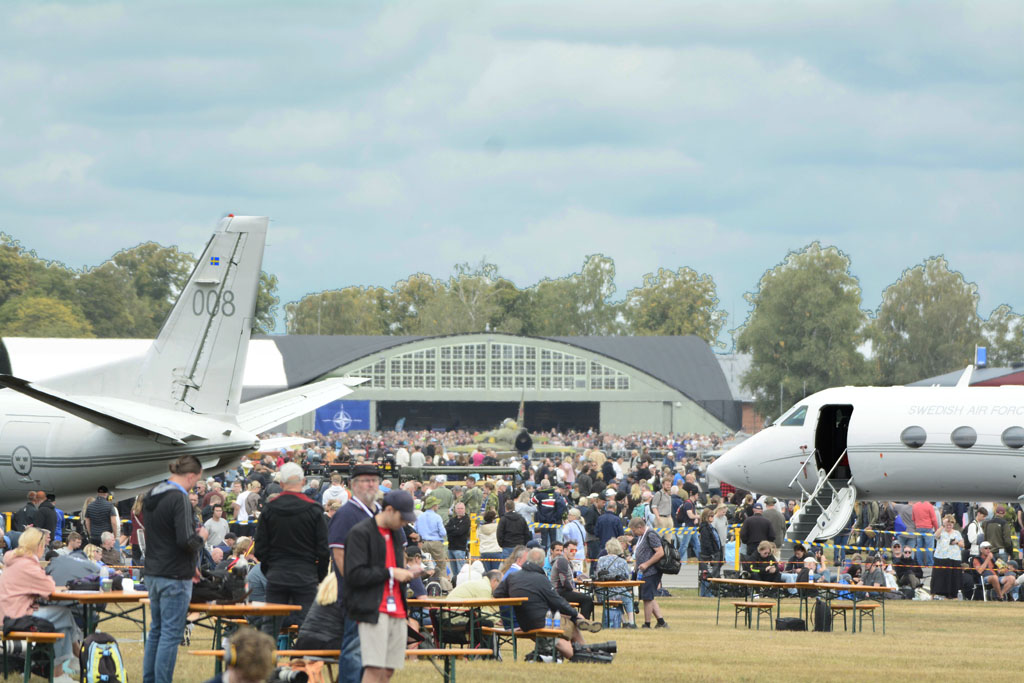
La Svezia ha celebrato i 100 anni della sua Aeronautica nel weekend del 23 agosto, con un grande evento presso la base di Malmen, a Linköping.
La Flygvapnet, l’Aeronautica militare svedese, venne fondata il 1° luglio 1926, ma l’aviazione militare svedese esisteva già negli anni pionieristici della Prima guerra mondiale, quando Malmen era già una delle basi più importanti.
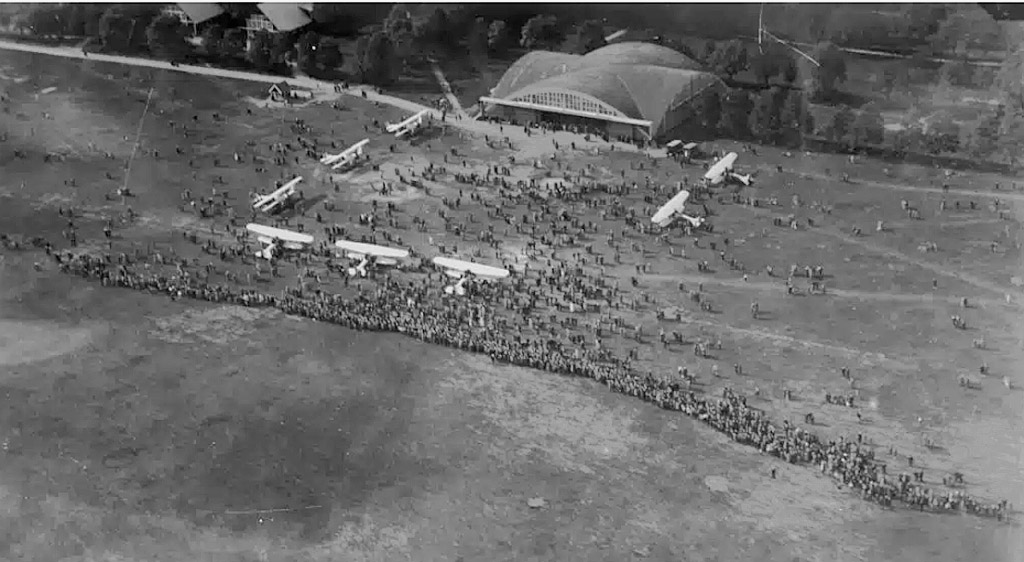
Il primo hangar, denominato Hangar 81, venne costruito nel 1927 ed è tuttora conservato a Malmen per il suo valore storico.
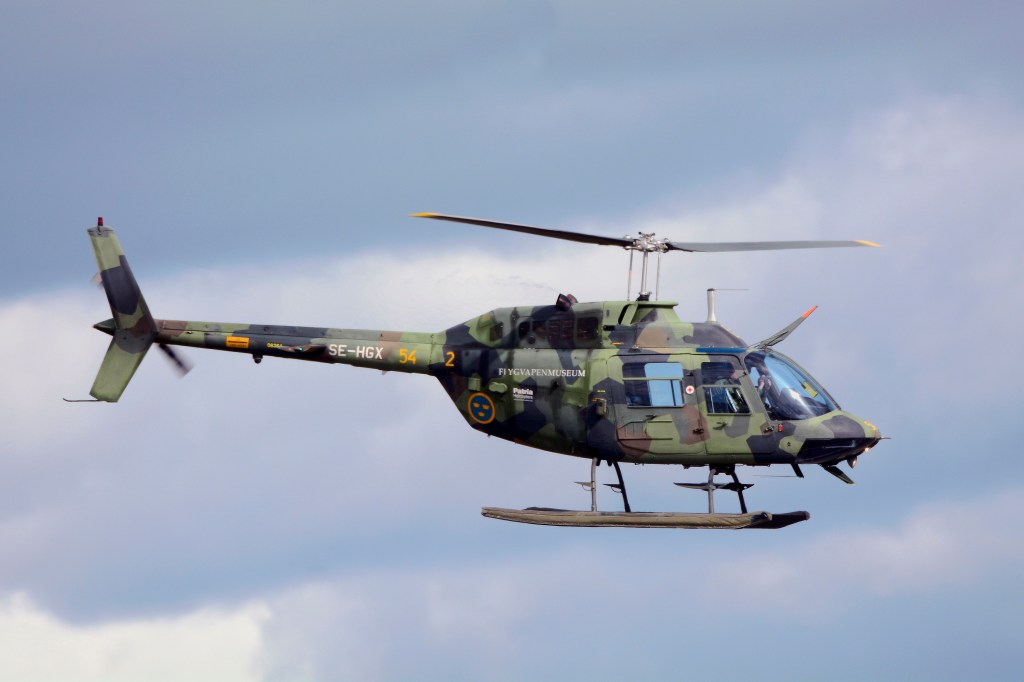
Oggi Malmen è ancora una base importante della Flygvapnet per l’addestramento dei piloti militari e ospita la componente elicotteristica delle Forze Armate svedesi. In occasione del centenario, l’aeroporto è stato aperto al pubblico per due giornate, con quasi otto ore di volo al giorno. L’evento ha attirato una folla di quasi 230.000 visitatori.
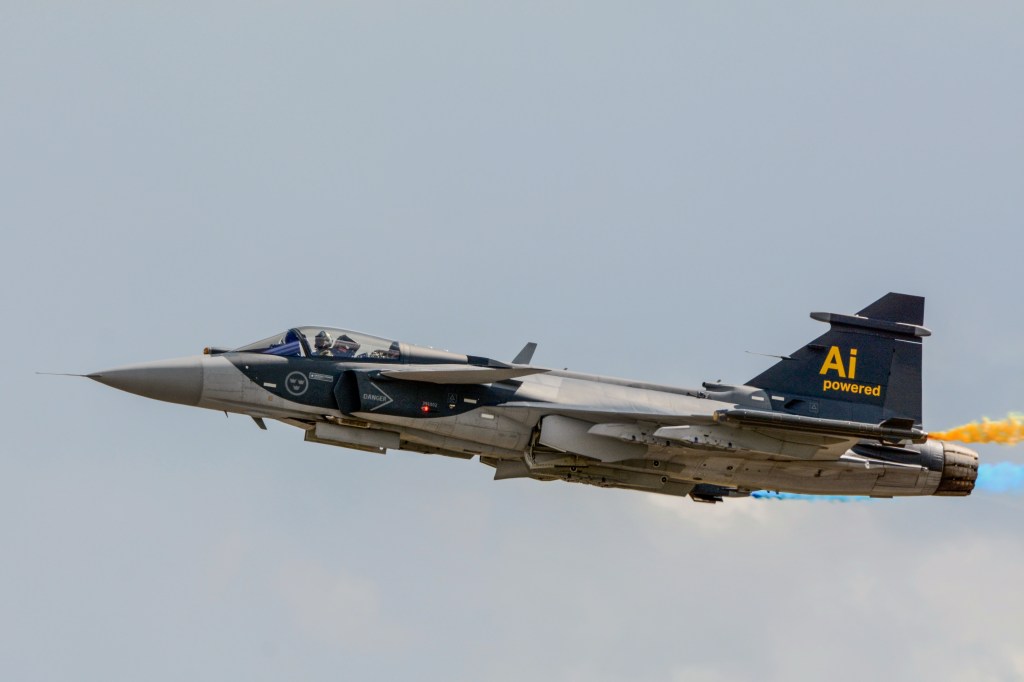
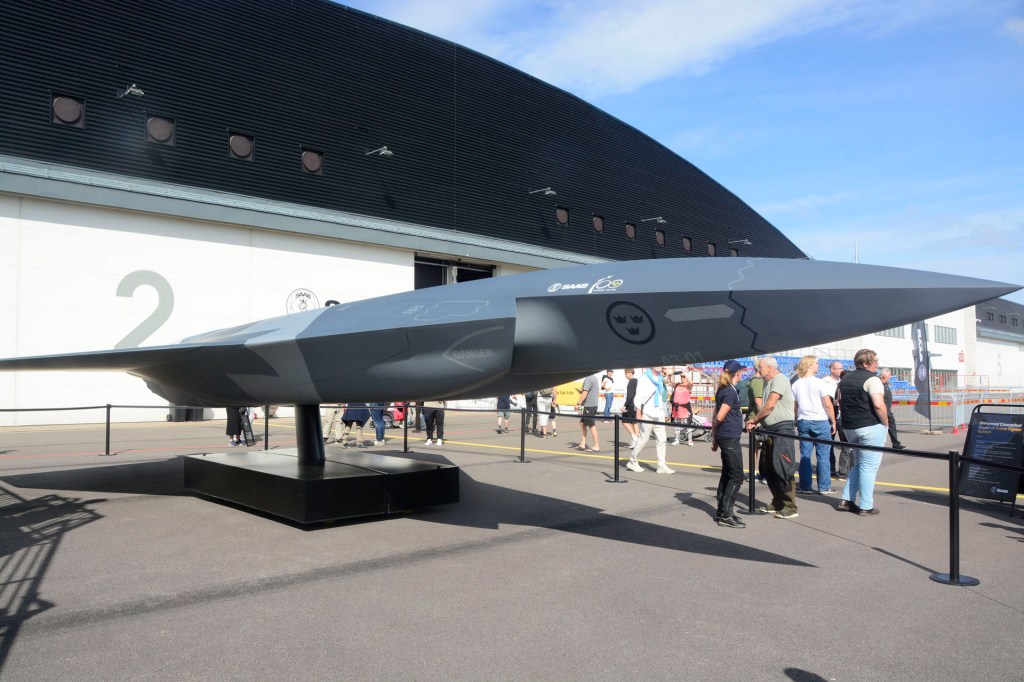
A Malmen è presente anche lo stabilimento di SAAB Aircraft, che ovviamente ha presentato la propria produzione attuale e ha svelato per la prima volta il nuovo caccia intercettore supersonico unmanned.
Il programma di volo ha abbracciato oltre un secolo di aviazione svedese, con velivoli storici che hanno condiviso il programma con le attuali capacità della Flygvapnet.
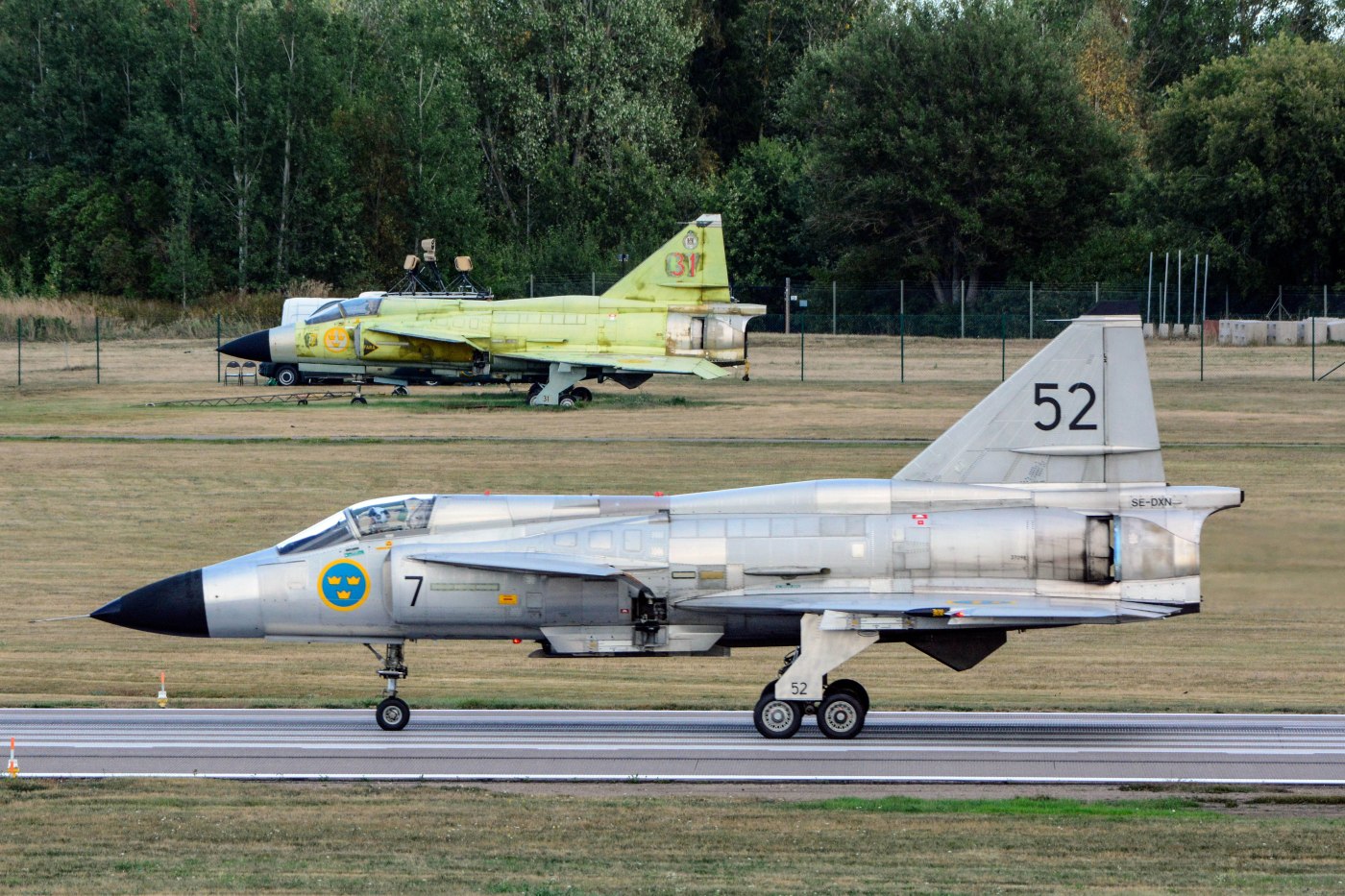
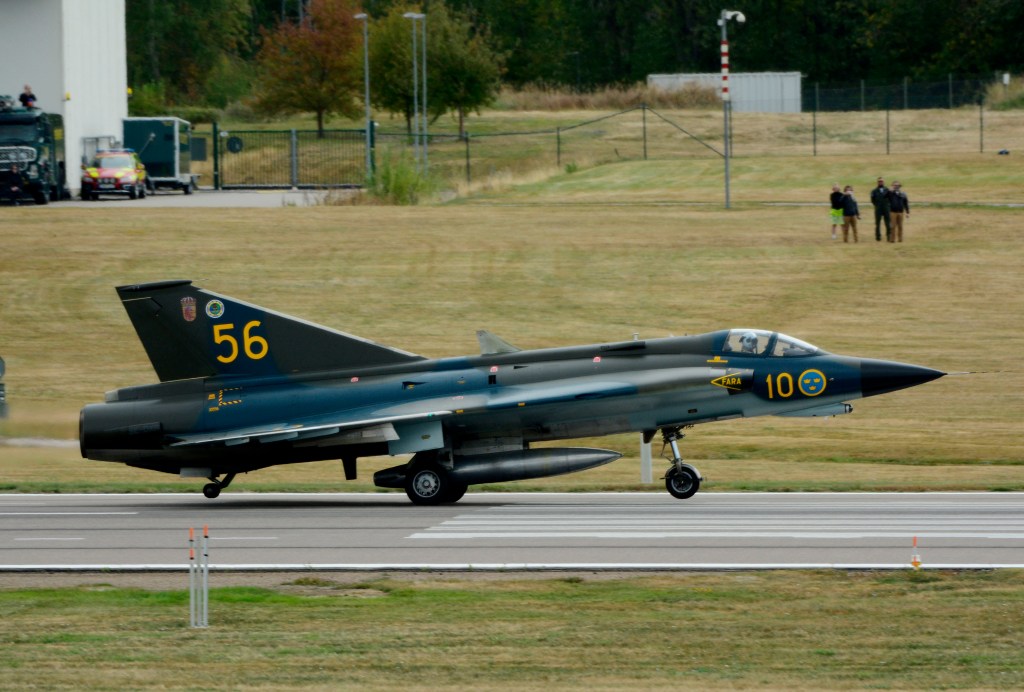
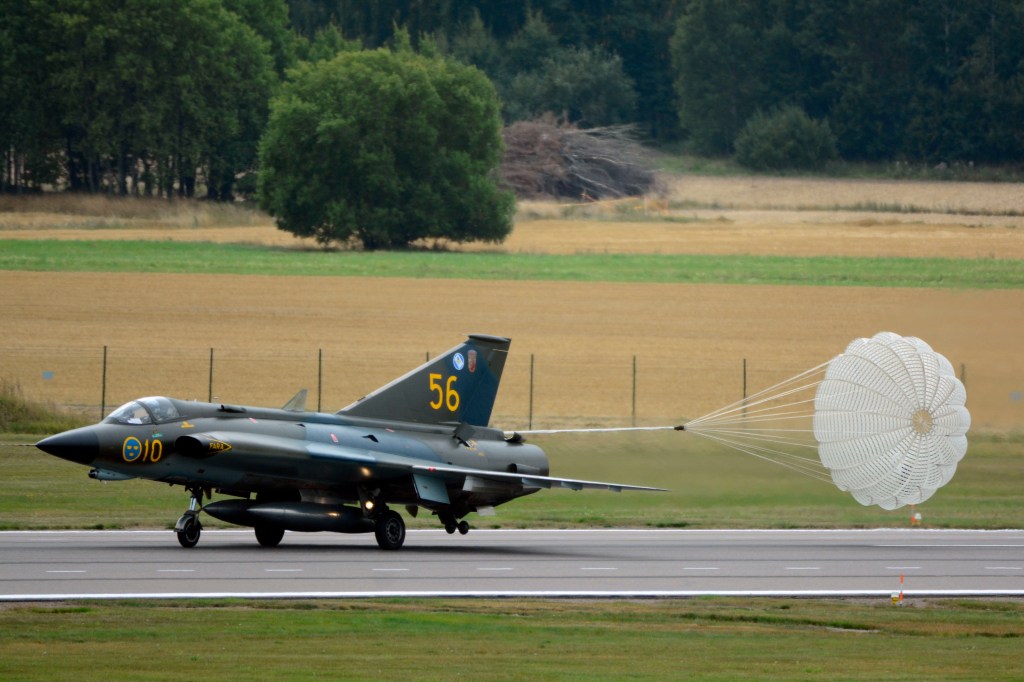
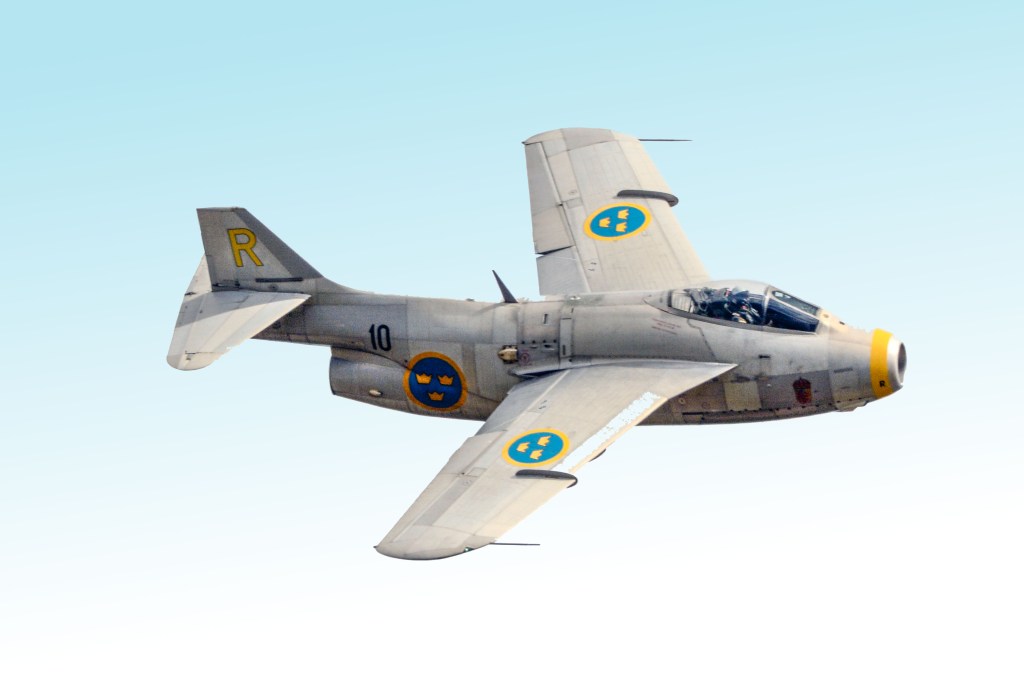
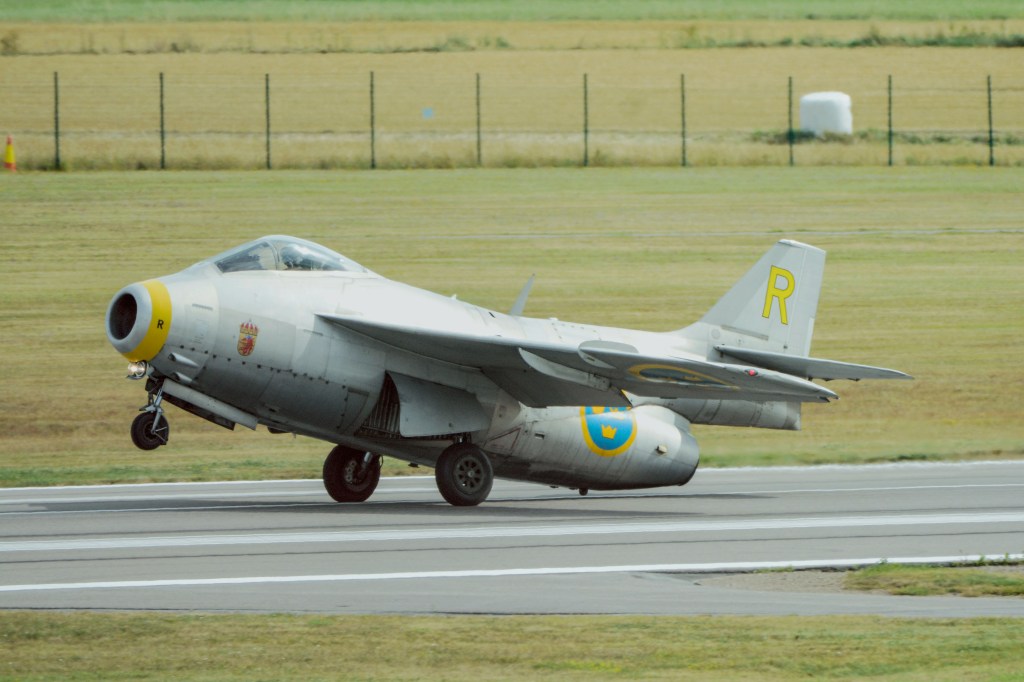
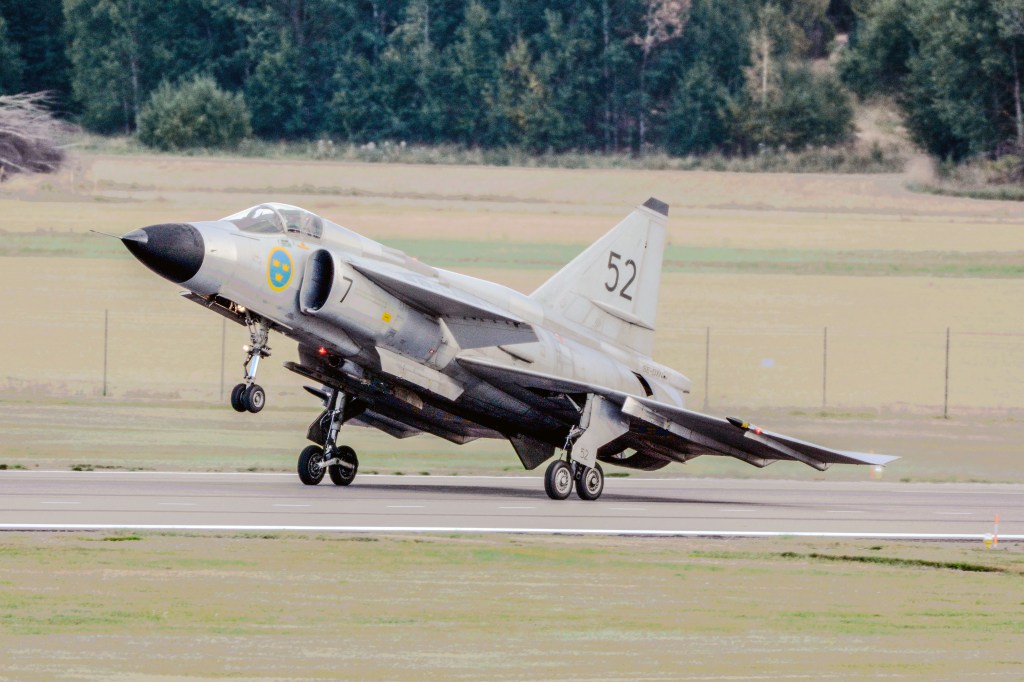
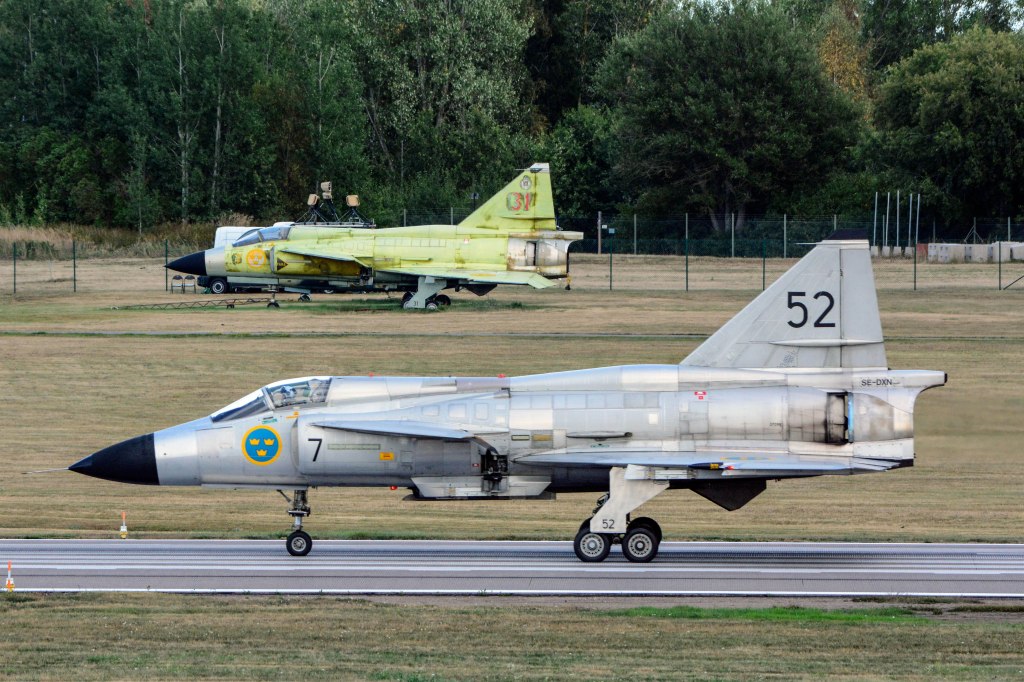
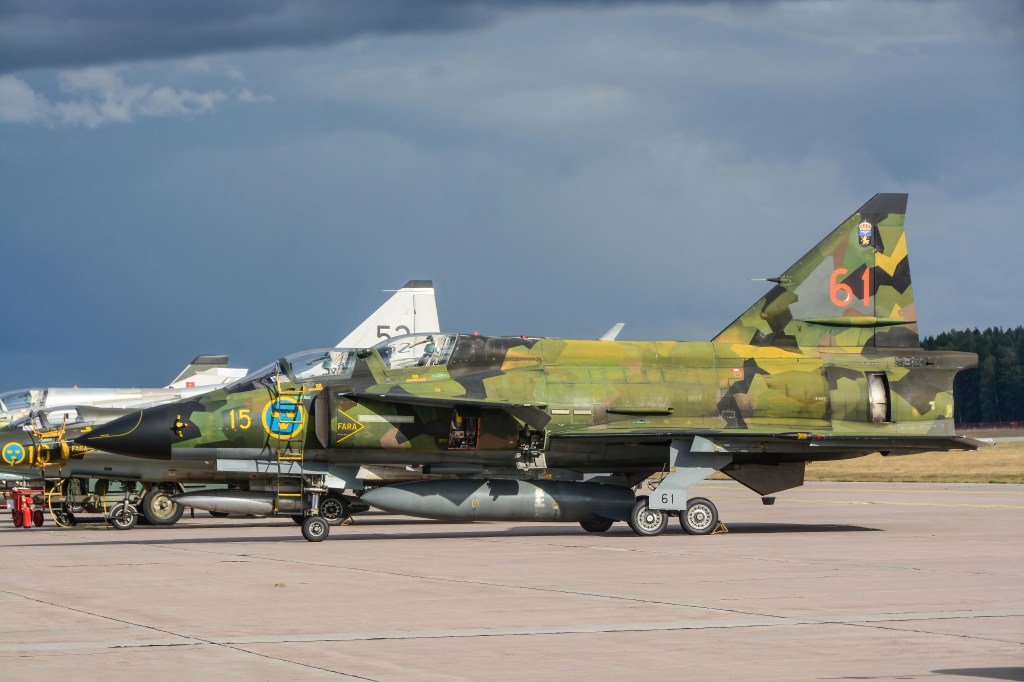
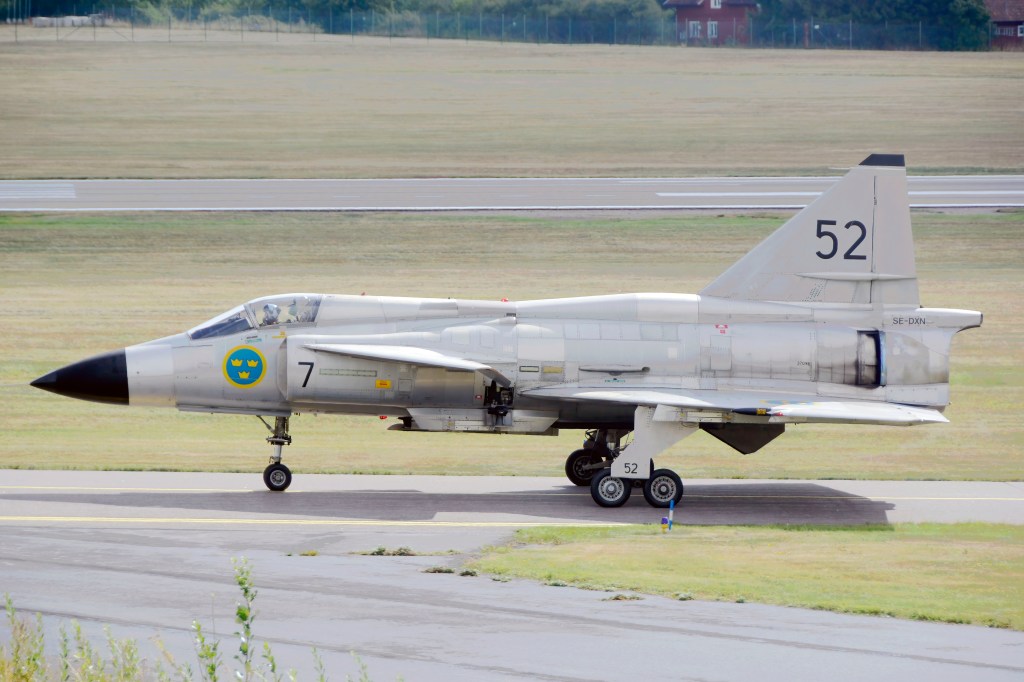
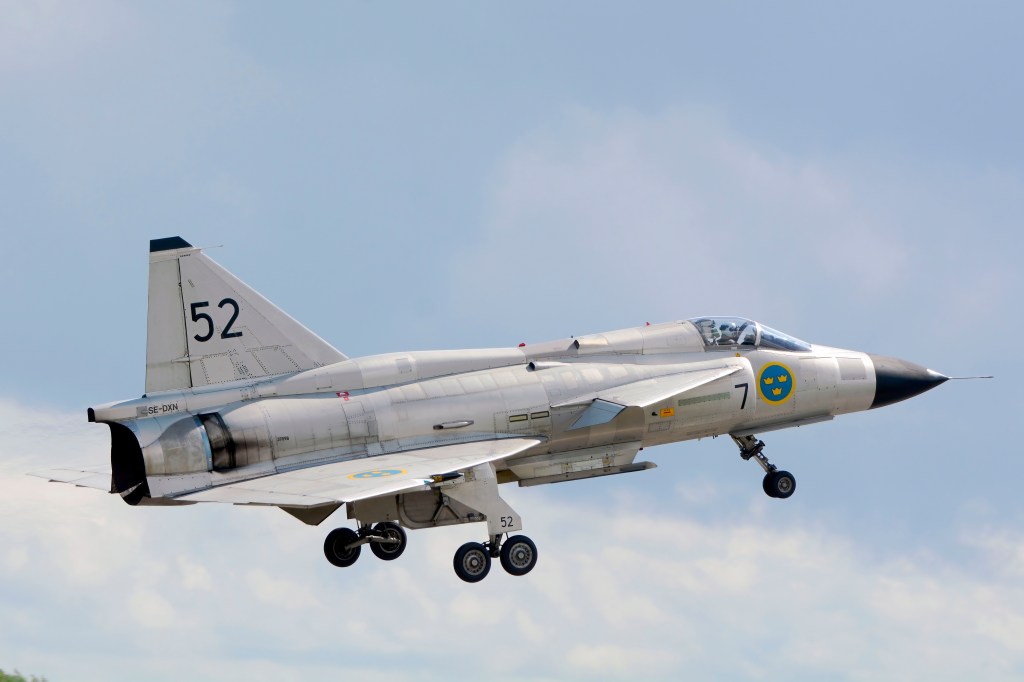
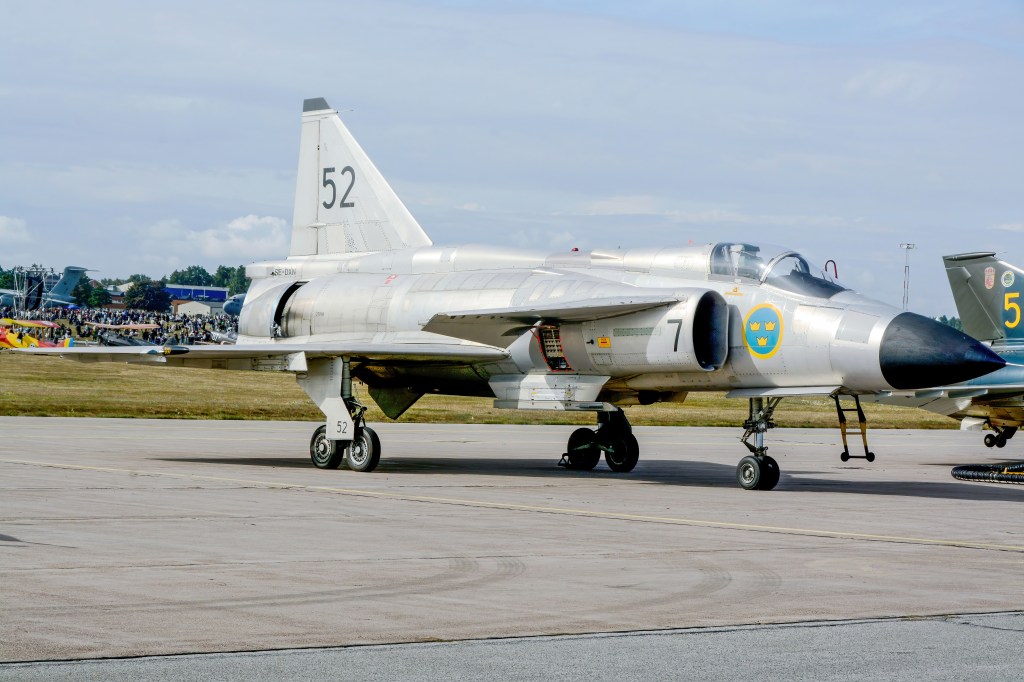
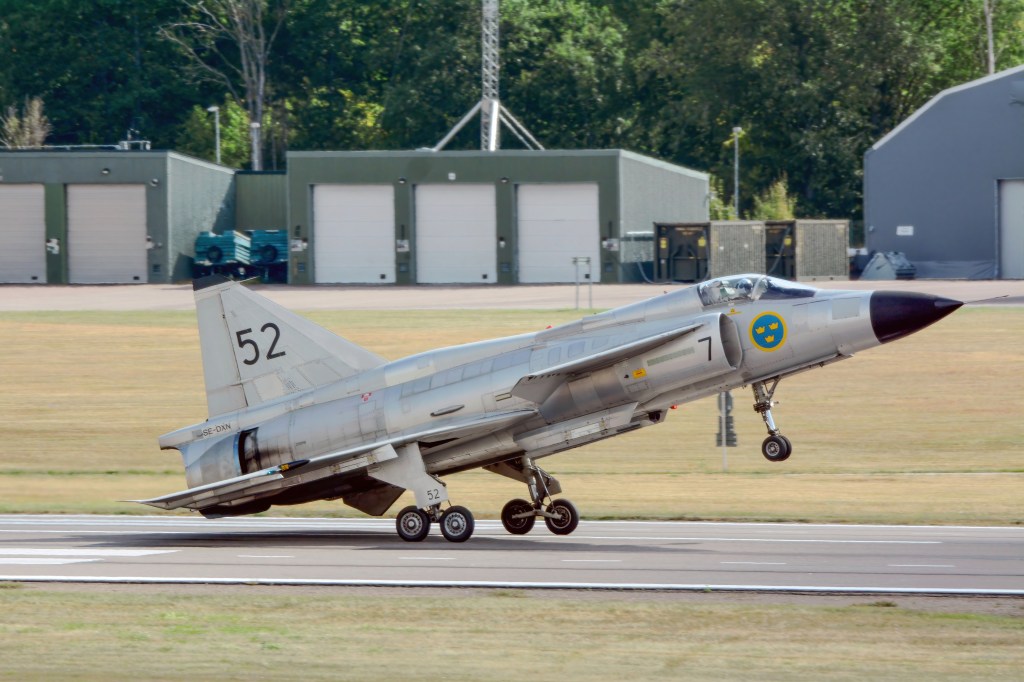
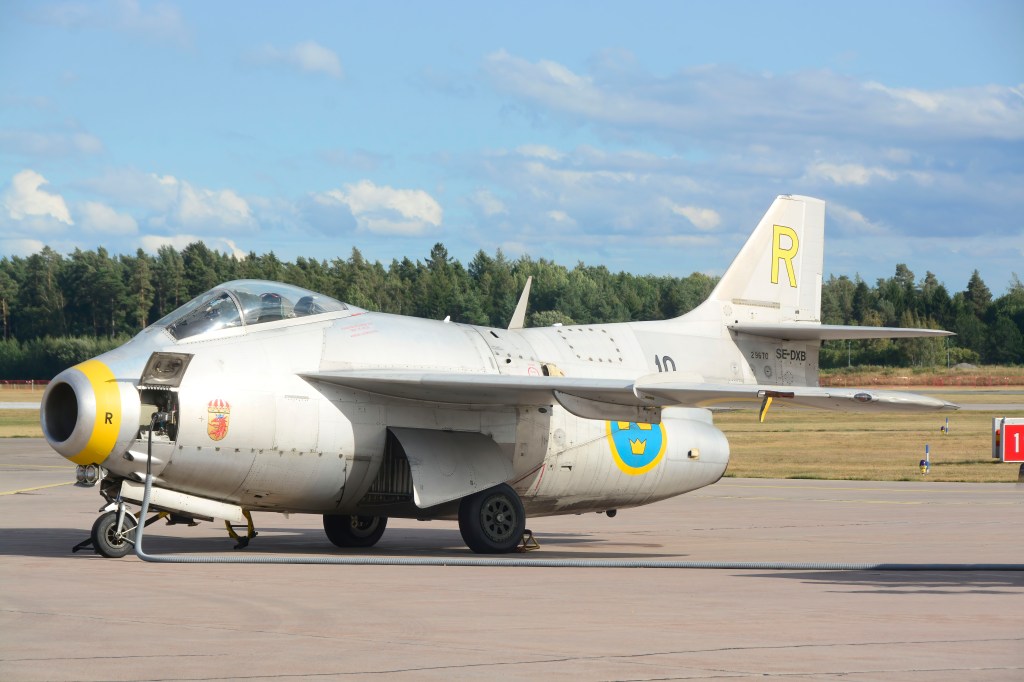
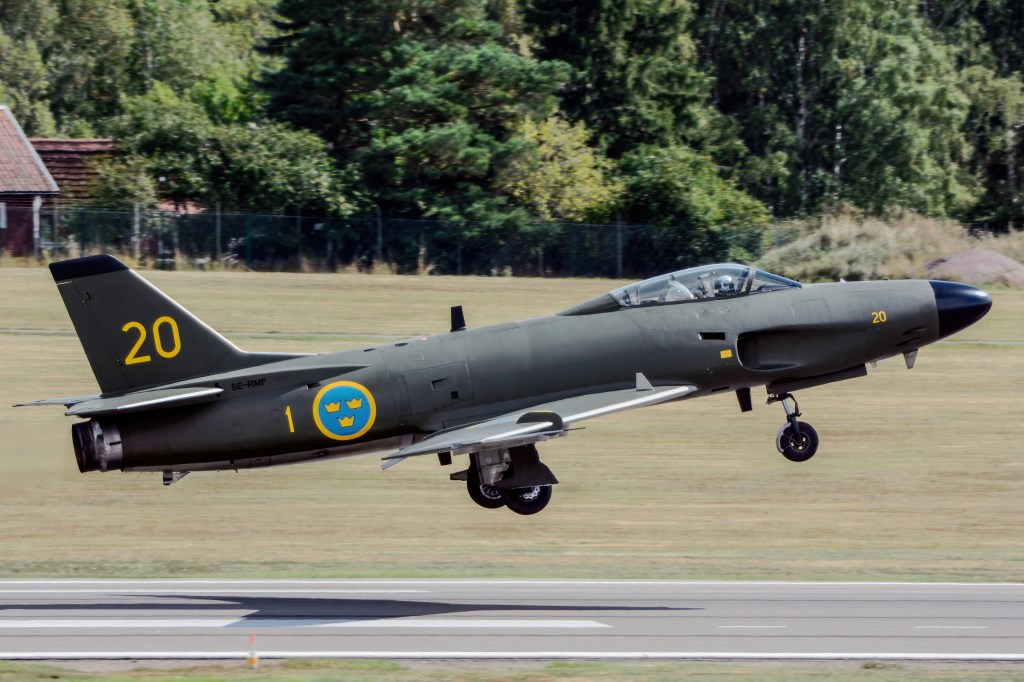
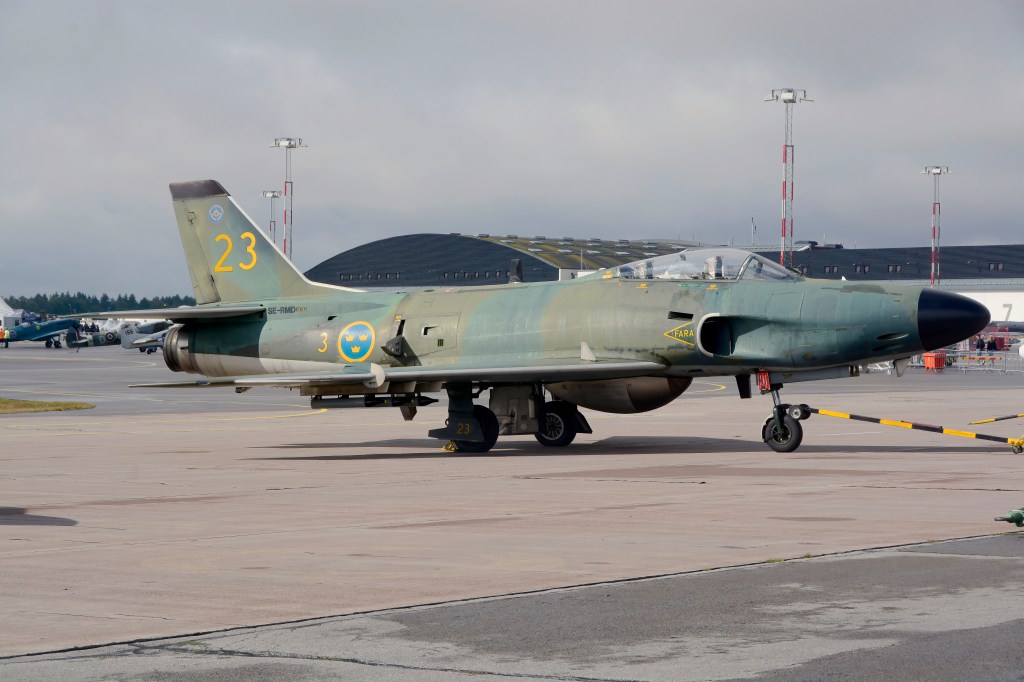
Per gli appassionati è stata un’occasione unica per ripercorrere la grande storia dell’aviazione svedese. I velivoli dello Swedish Air Force Historic Flight hanno reso il centenario particolarmente speciale, offrendo l’opportunità di vedere in volo alcuni degli aerei più importanti della storia aeronautica svedese, come il J 29 Tunnan, il J 32 Lansen, il J 35 Draken e il 37 Viggen.
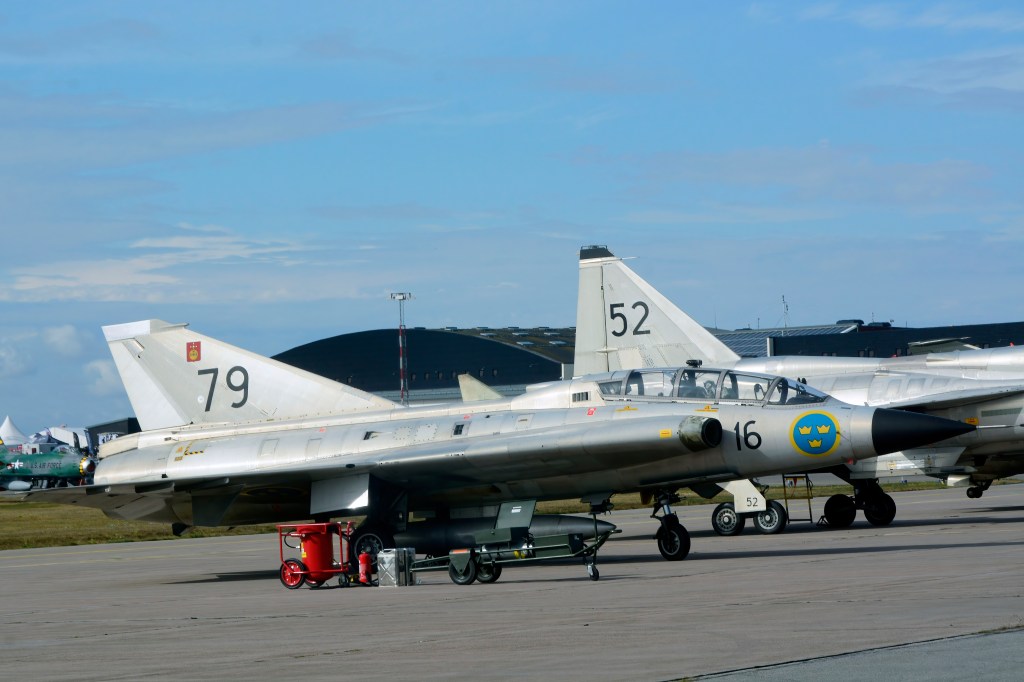
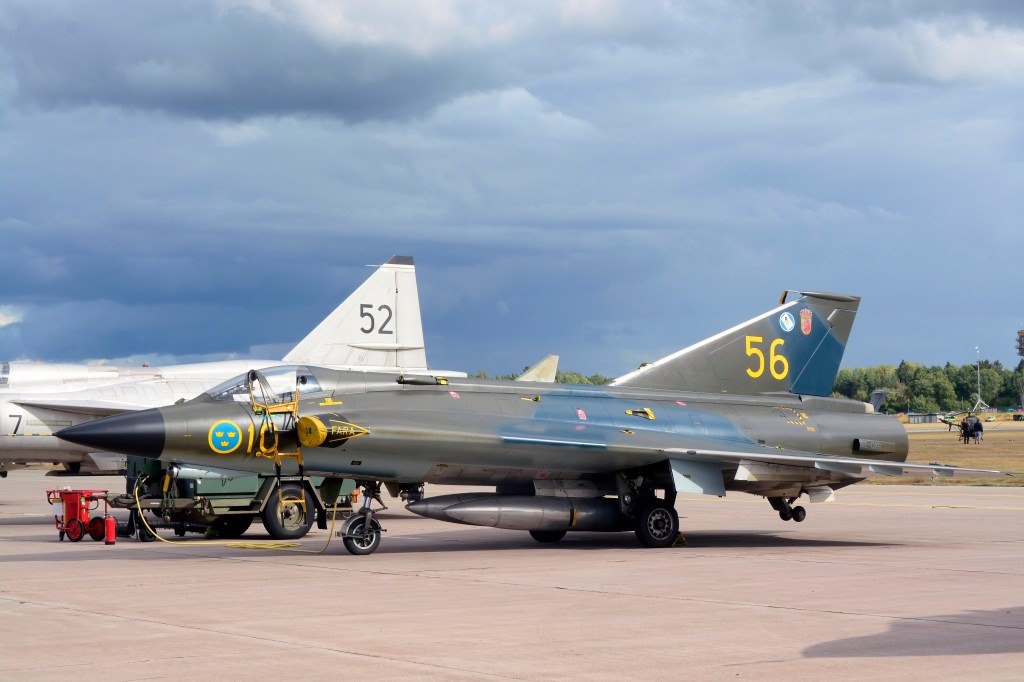
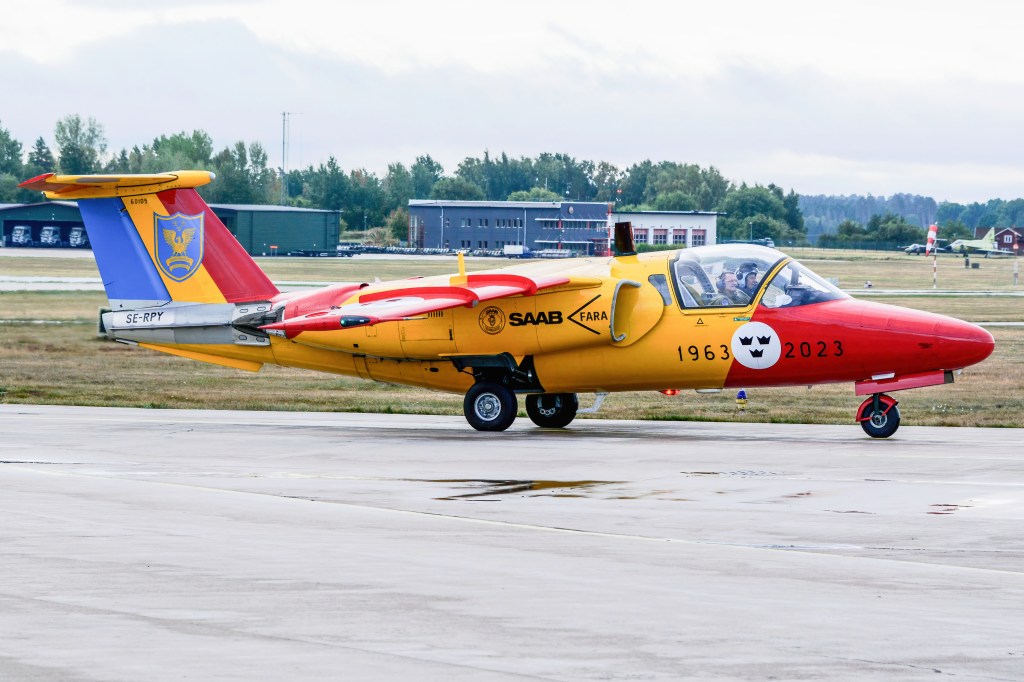
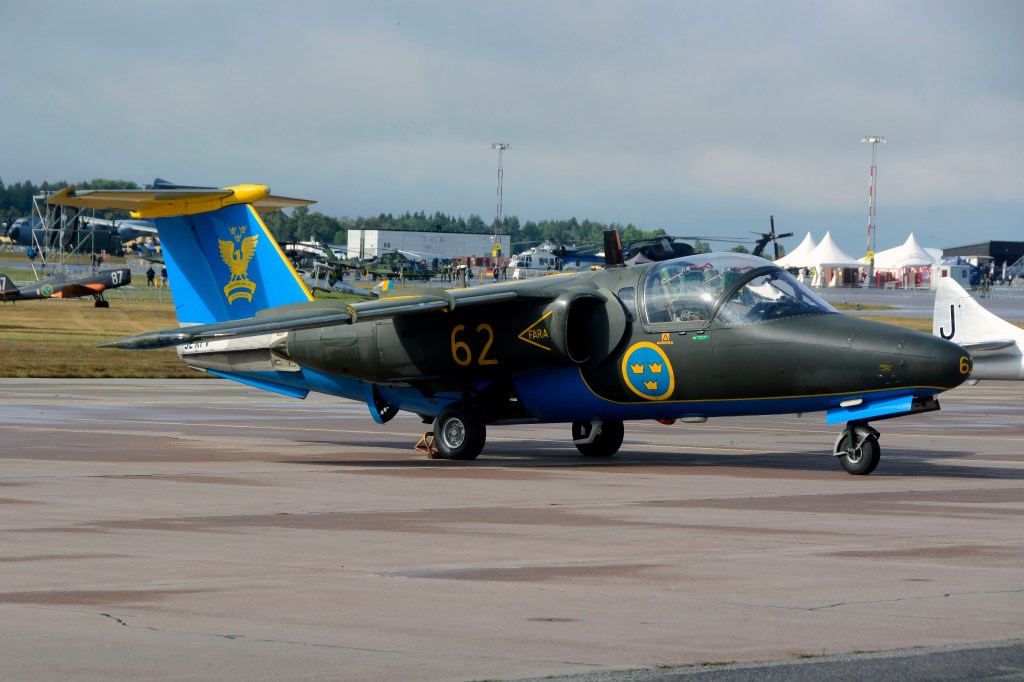
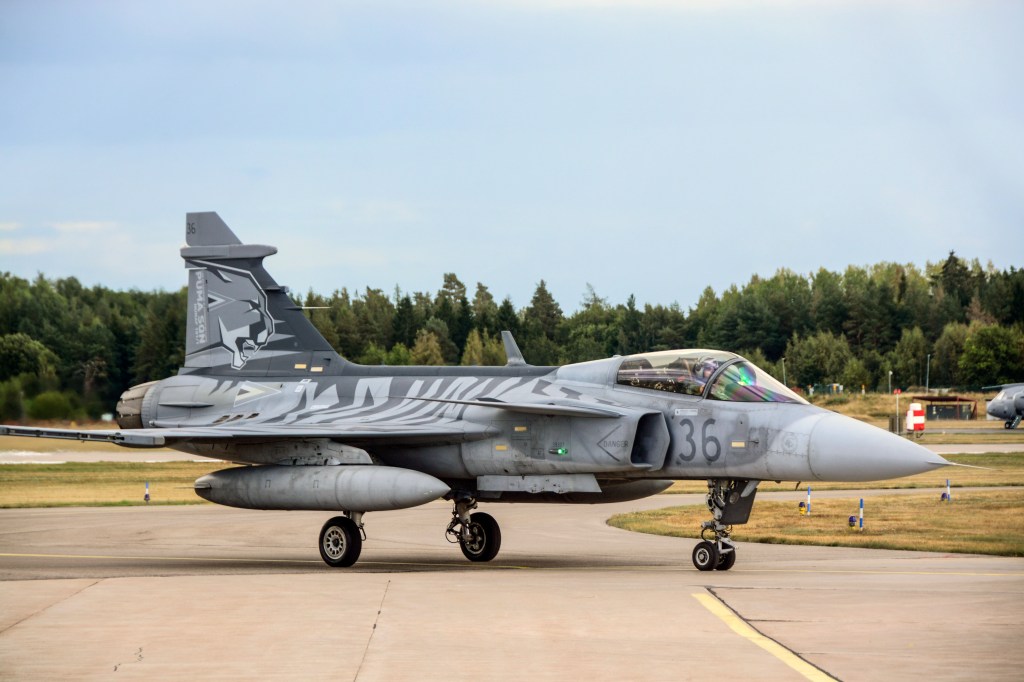
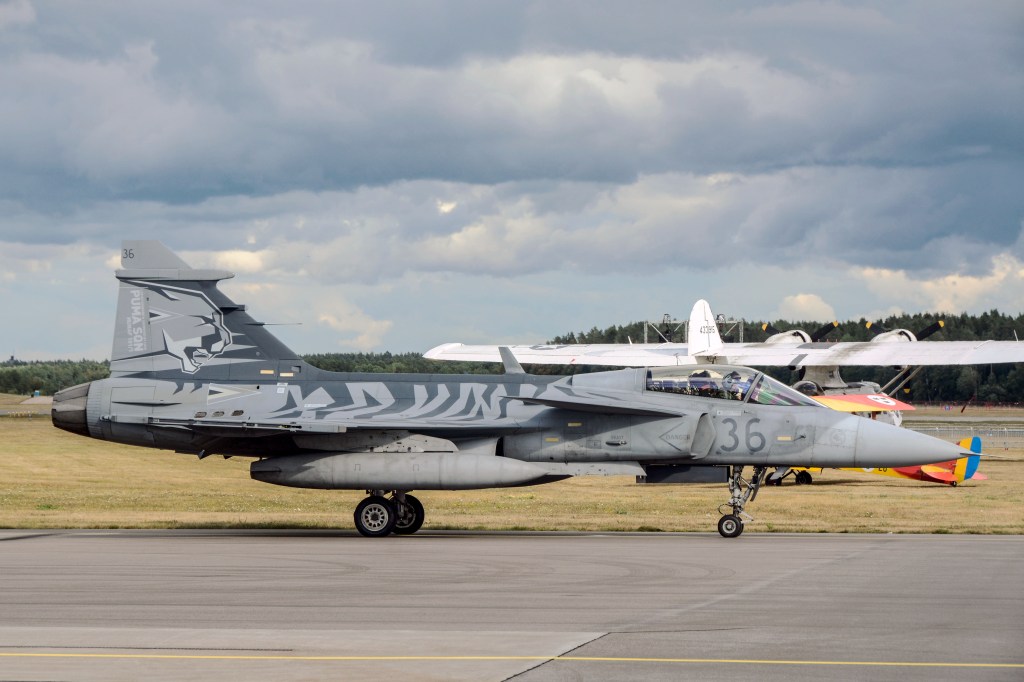
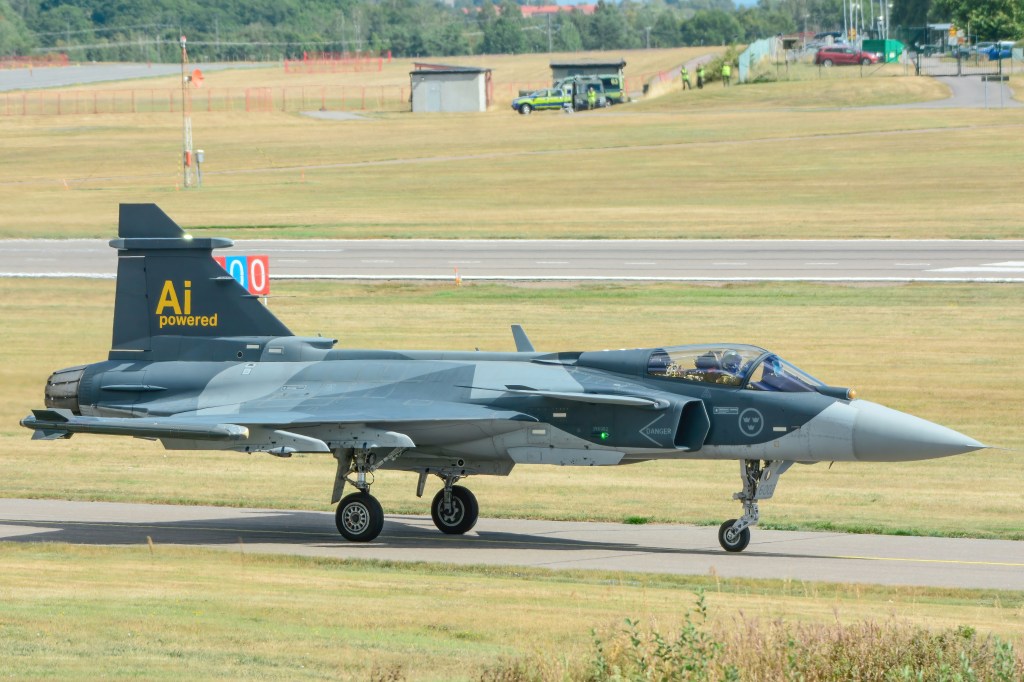
La grande tradizione continua oggi con il JAS 39 Gripen, del quale era presentata in anteprima la versione biposto.
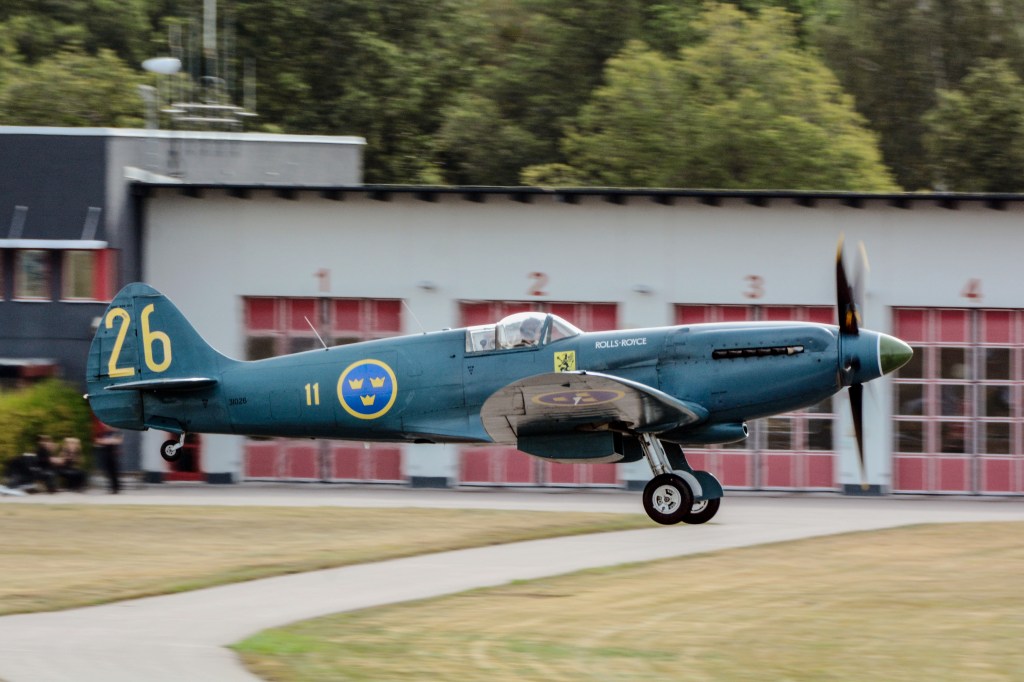
Erano presenti anche un P-51 Mustang, prodotto da SAAB su licenza come J 26, due Spitfire, costruiti su licenza da SAAB e designati S 31, e un Venom, discendente del Vampire e prodotto da SAAB come J 28.
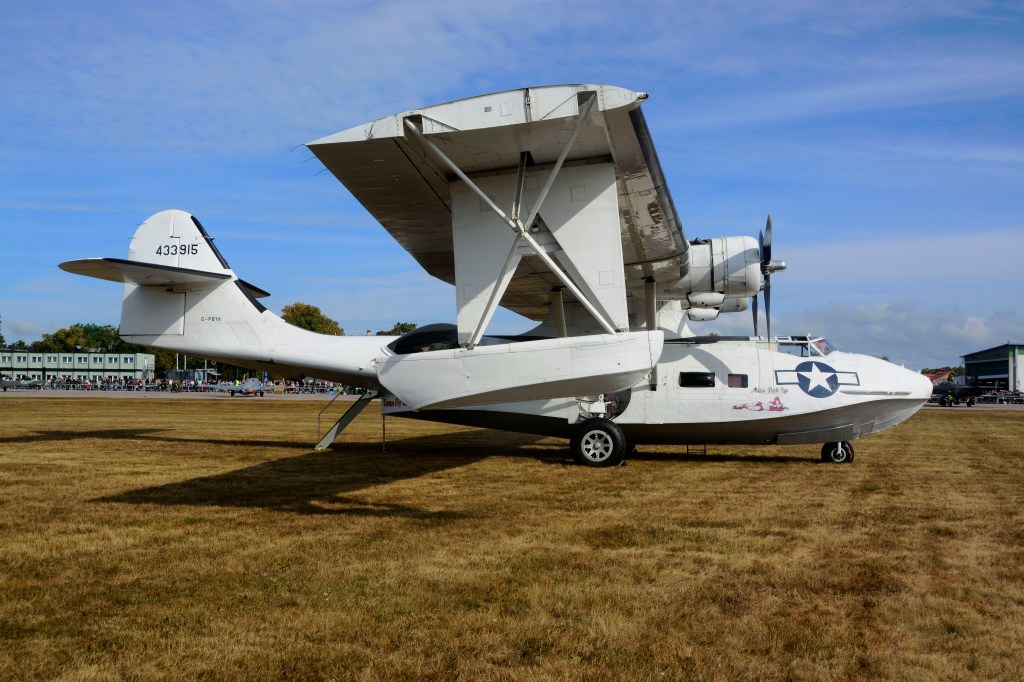
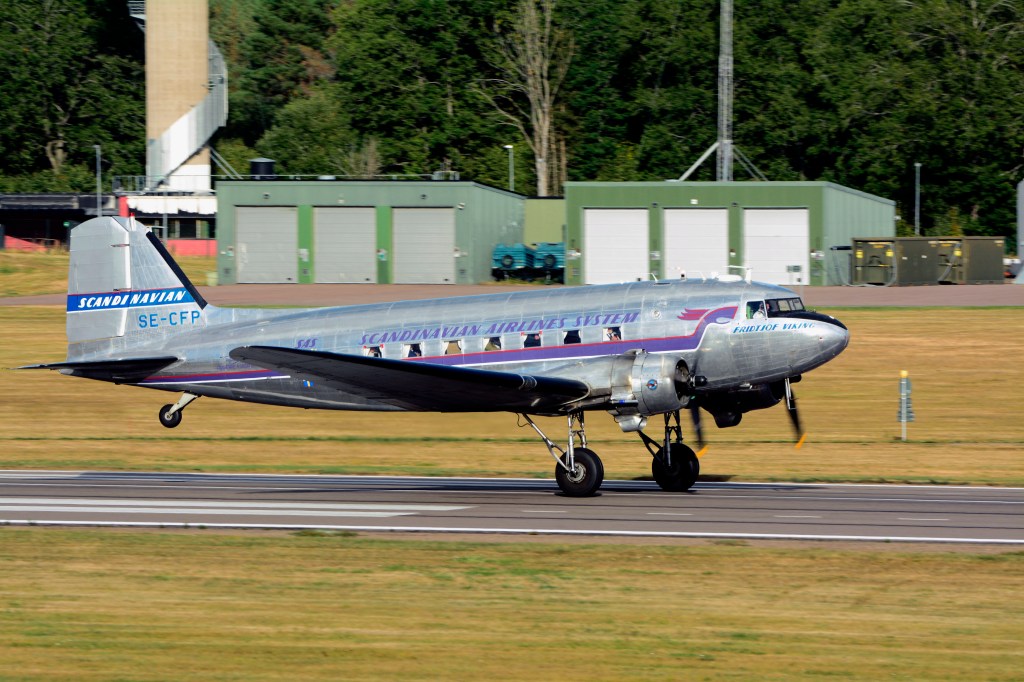
Tra gli altri velivoli d’epoca presenti figuravano un Catalina e un DC-3, entrambi aerei che hanno avuto un ruolo importante nella storia dell’aeronautica svedese, oltre a vari Tiger Moth e Focke-Wulf Stieglitz.
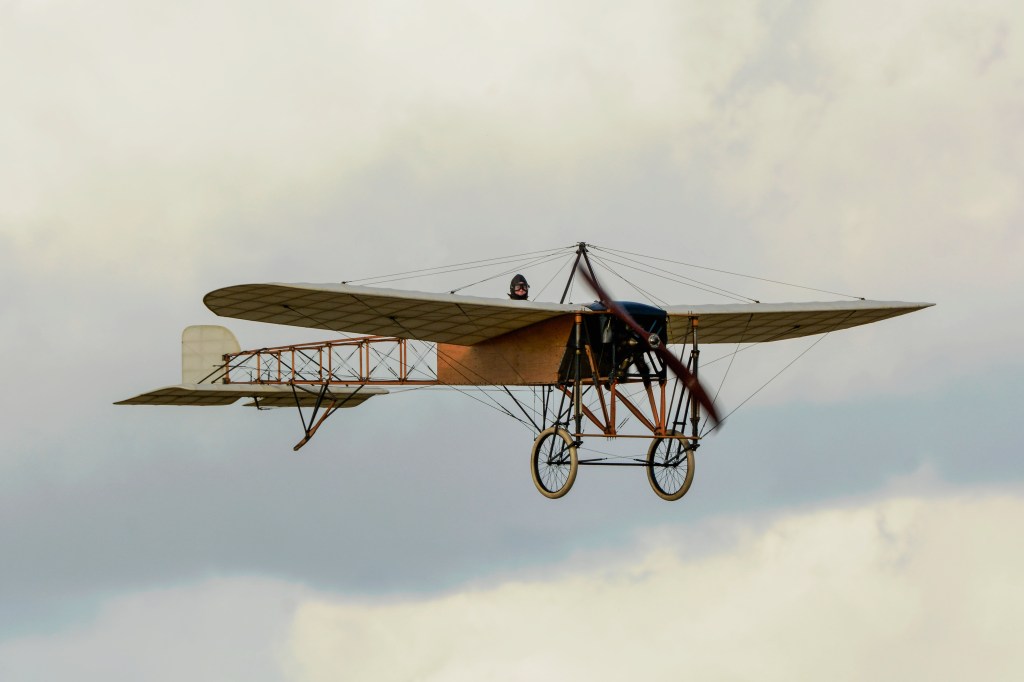
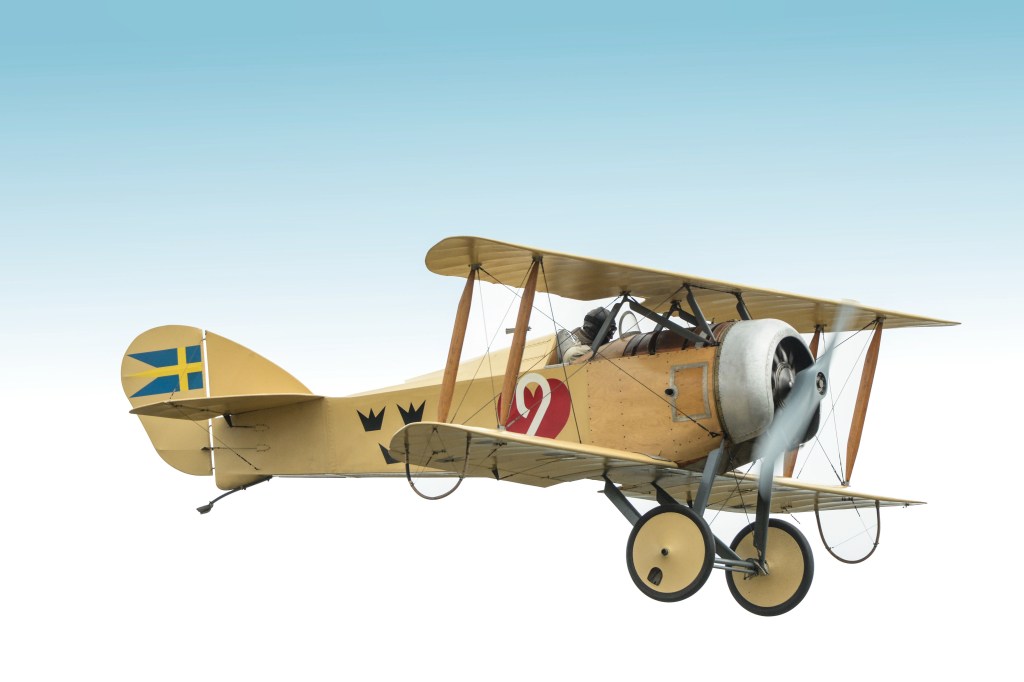
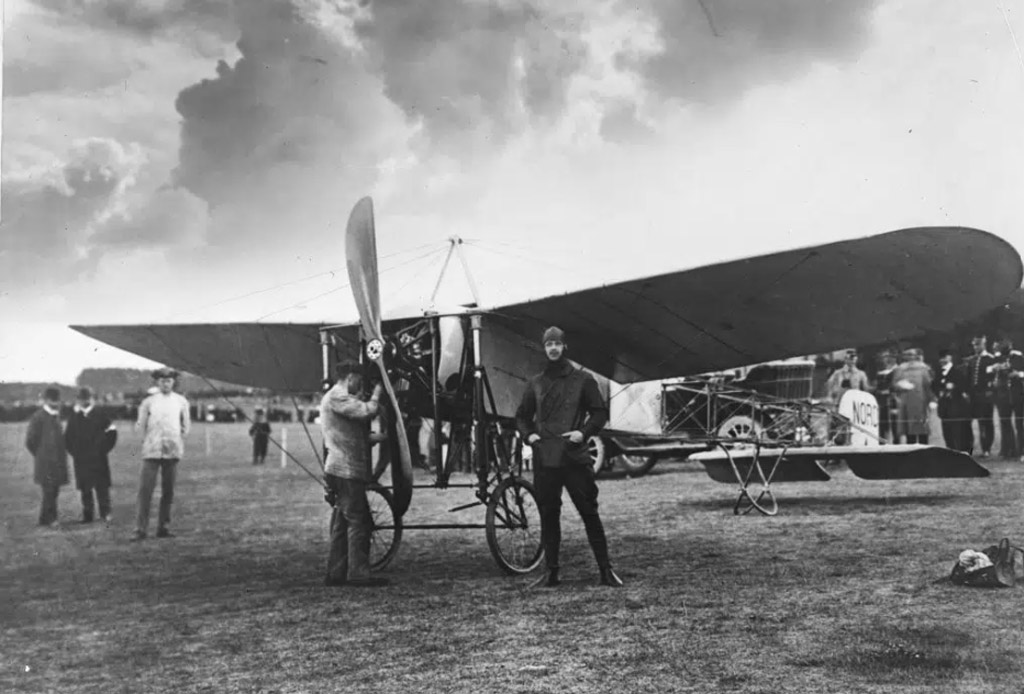
Due repliche di velivoli della Prima guerra mondiale erano il Blériot XI e l’Ö 1 Tummelisa, quest’ultimo di costruzione svedese.
Il SAAB JAS 39E Gripen ha attirato grande attenzione durante il centenario. Simile nell’aspetto al JAS 39C, è tuttavia un velivolo nettamente migliorato, grazie a un motore più potente, una maggiore autonomia e la capacità di trasportare un carico utile più pesante.
La Svezia ha ordinato 60 JAS 39E, il primo dei quali è stato ufficialmente consegnato il 20 ottobre 2025.
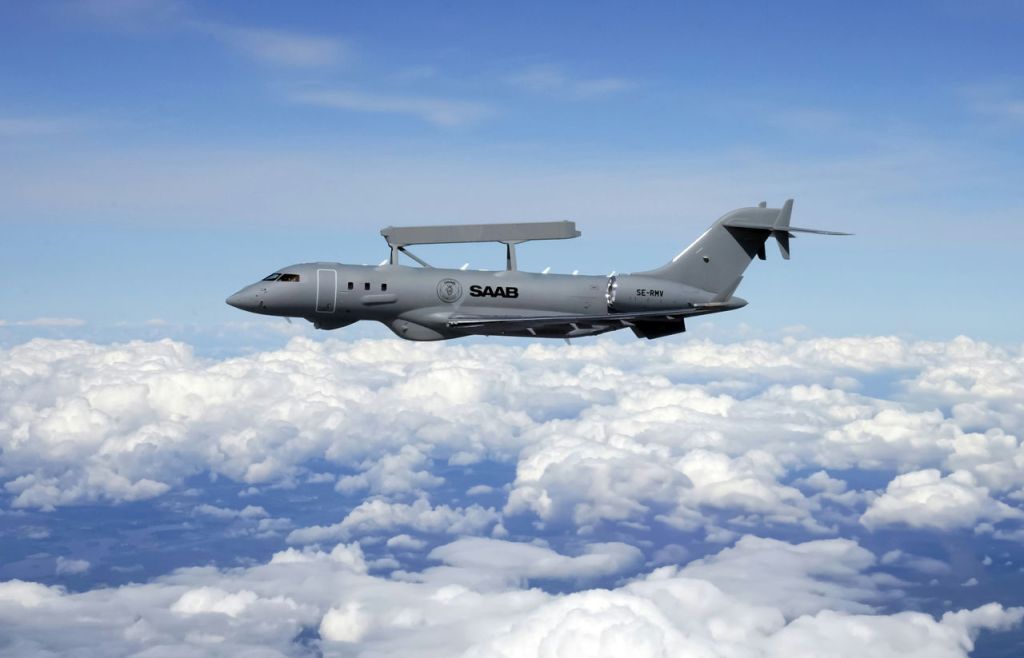
SAAB costruisce inoltre lo S 106A, un velivolo per l’allerta precoce e il controllo (AEW&C) basato sulla cellula del Bombardier Global 6000 e commercializzato con il nome GlobalEye. Il velivolo è destinato a sostituire la flotta di Boeing E-3 AWACS della NATO.
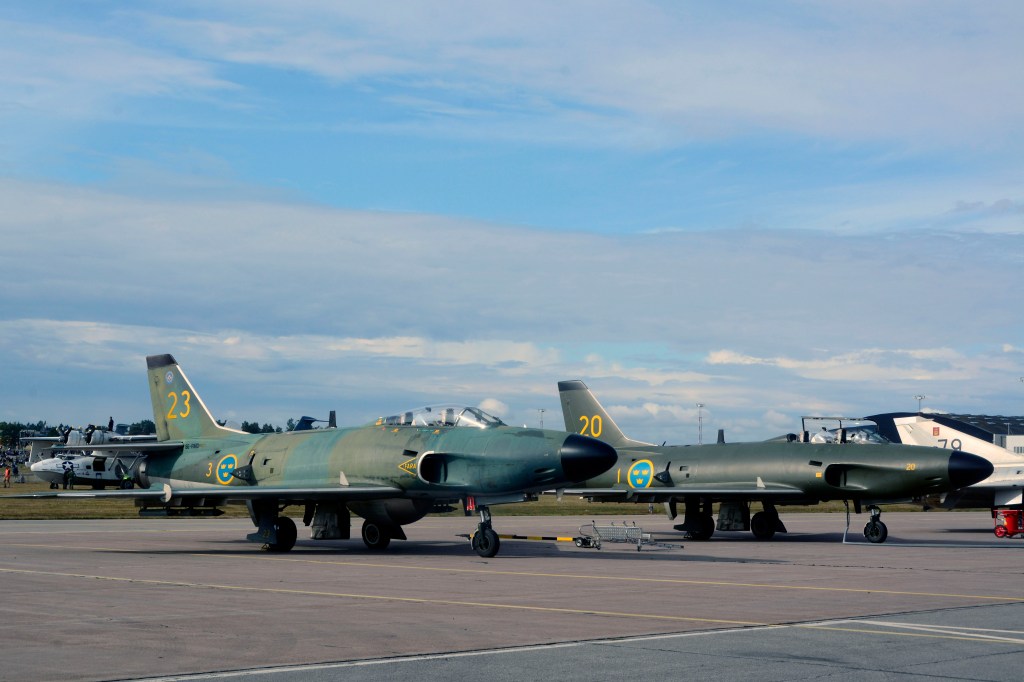
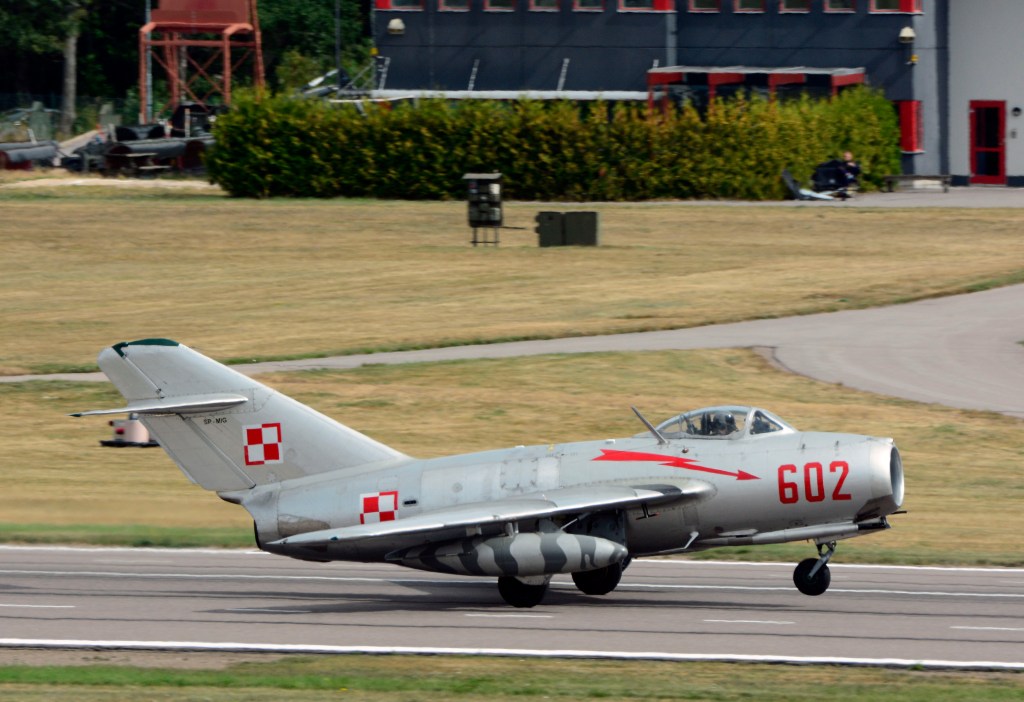
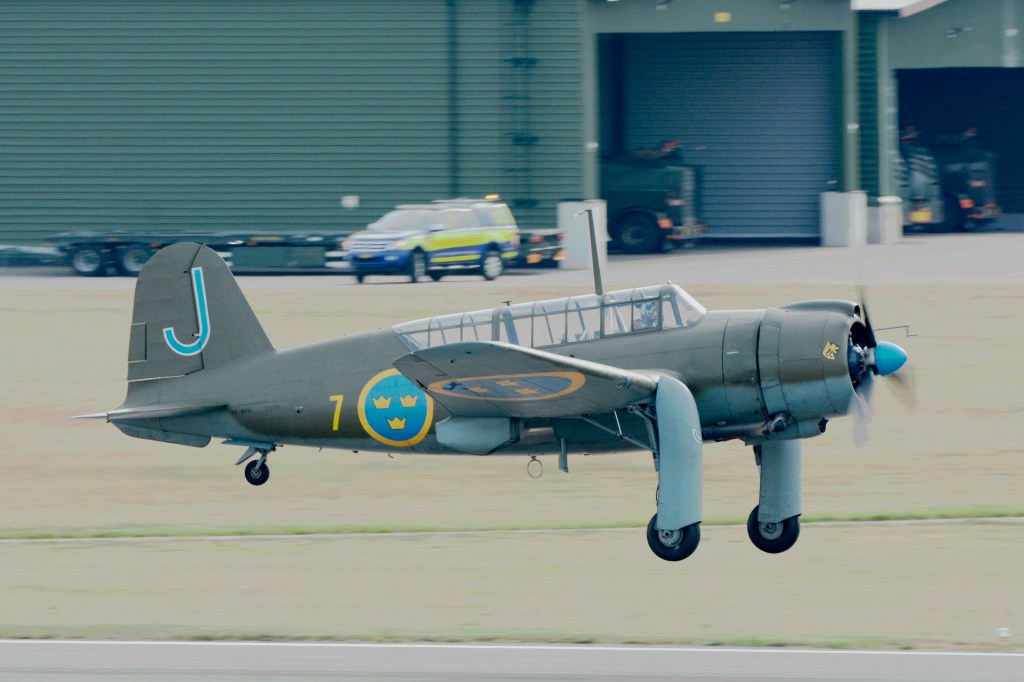
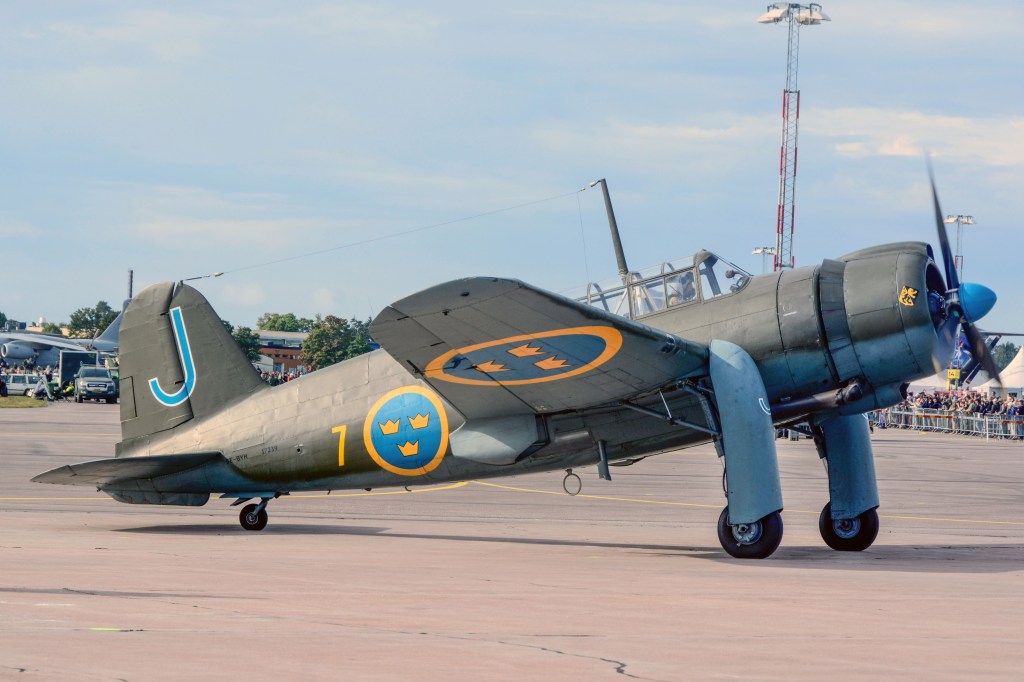
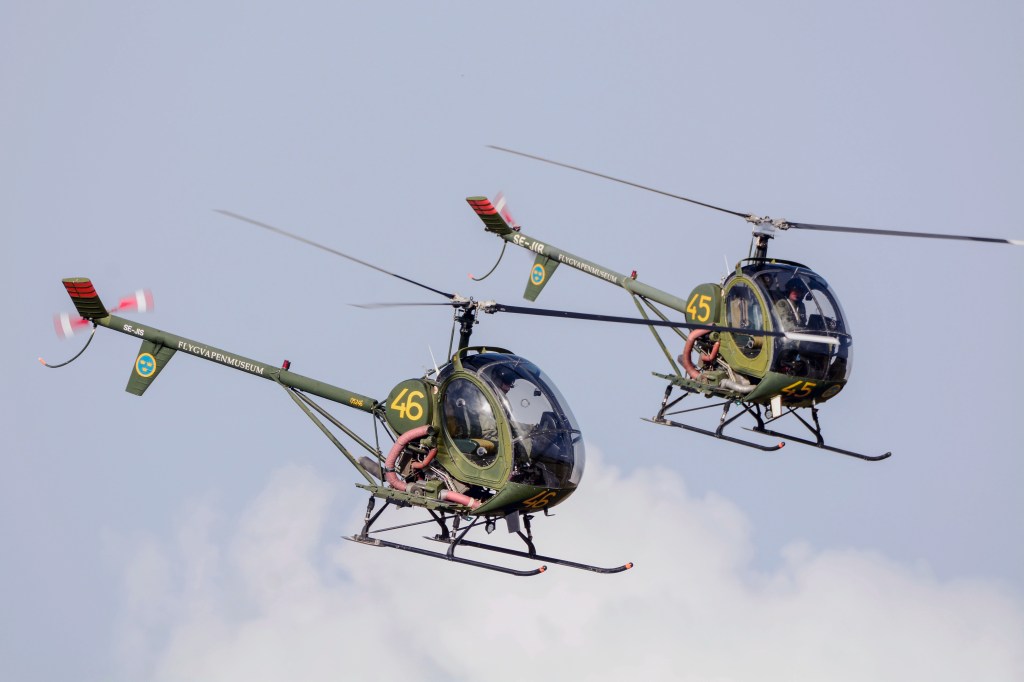
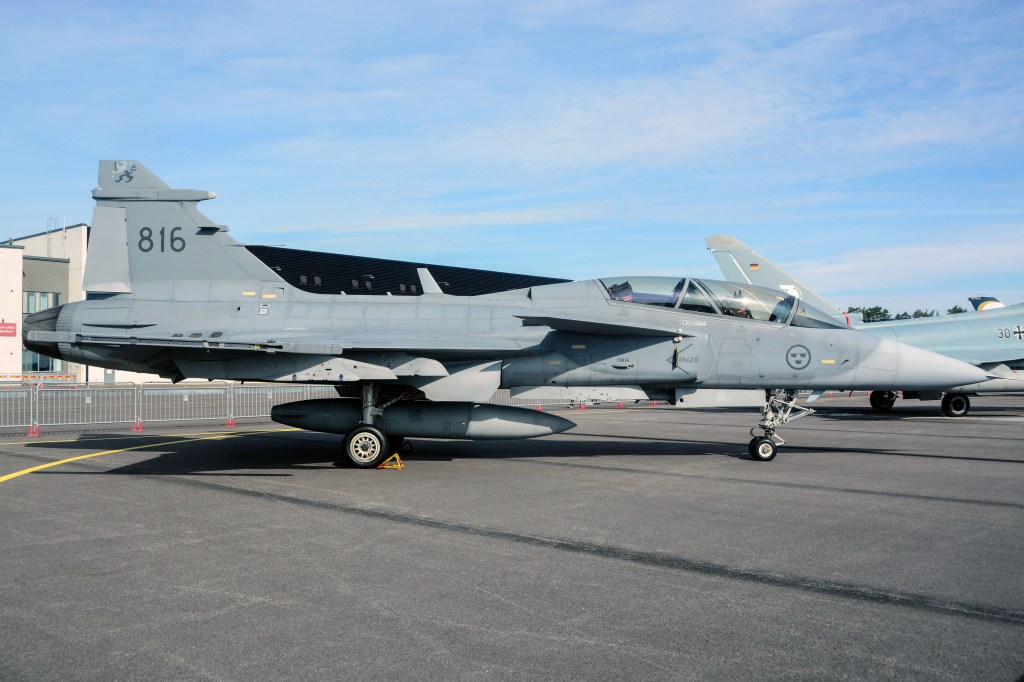
Foto e Testo di ©Ugo Vicenzi
ENGLISH VERSION
Sweden celebrated the 100th anniversary of its Air Force during the weekend of 23 August, with a major event held at Malmen Air Base, near Linköping.
The Flygvapnet, the Swedish Air Force, was officially established on 1 July 1926, but Swedish military aviation had already existed during the pioneering years of the First World War, when Malmen was already one of the country’s most important air bases.
The first hangar, known as Hangar 81, was built in 1927 and is still preserved at Malmen because of its historical significance.
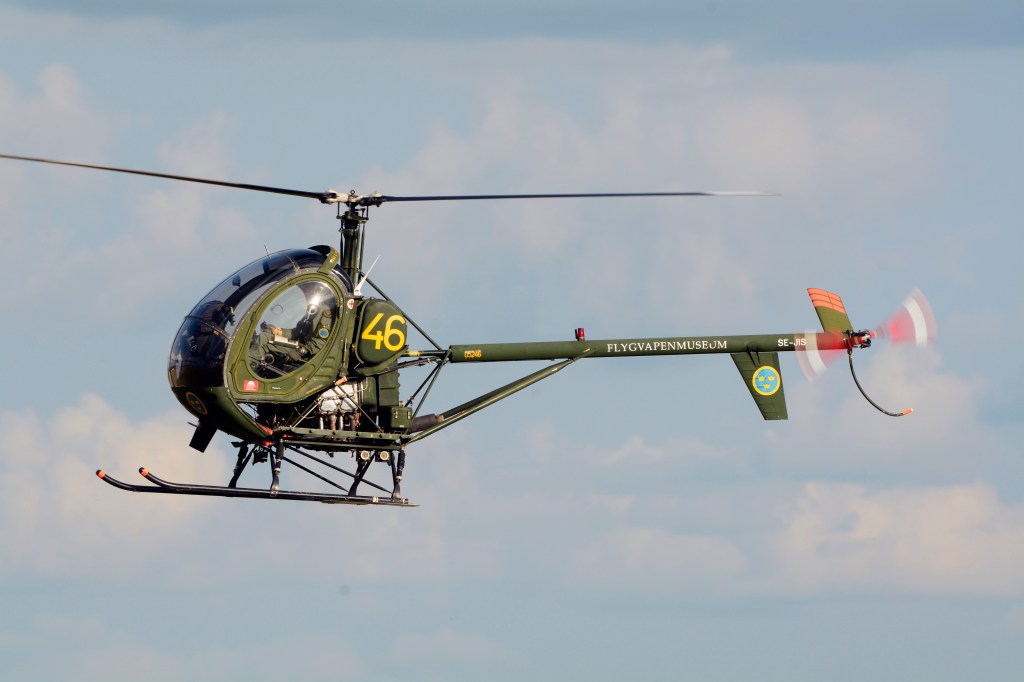
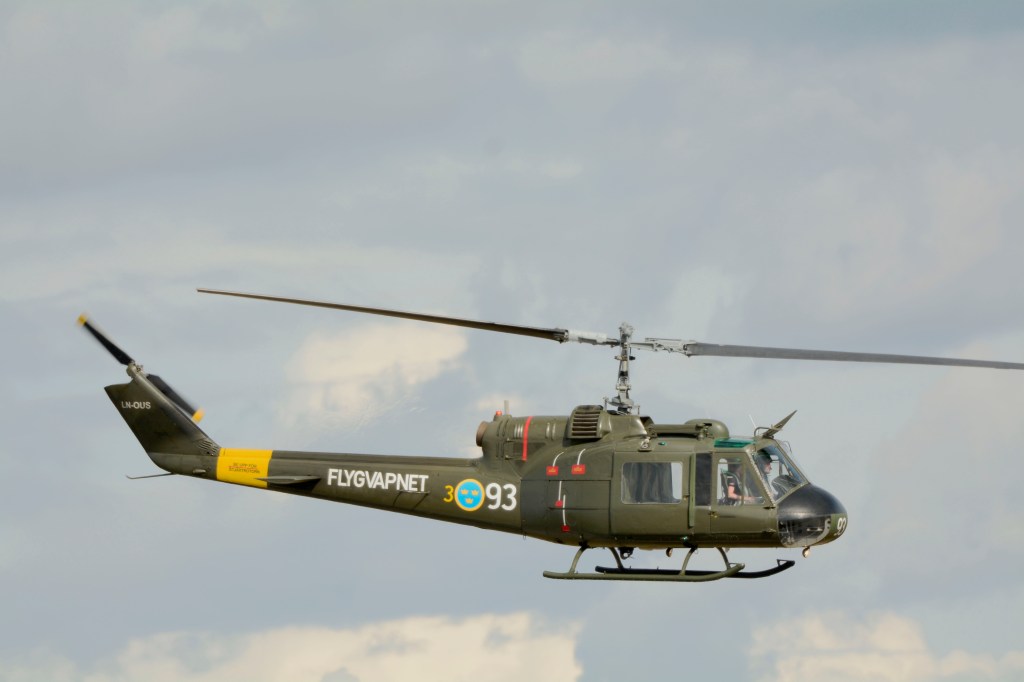
Today, Malmen remains an important Flygvapnet base for military pilot training and is also home to the helicopter component of the Swedish Armed Forces. For the centenary celebrations, the airfield was opened to the public for two days, with almost eight hours of flying each day. The event attracted a crowd of nearly 230,000 visitors.
Malmen is also home to a SAAB Aircraft facility, which naturally displayed its current production and unveiled, for the first time, the new unmanned supersonic interceptor fighter.
The flying programme spanned more than a century of Swedish aviation, with historic aircraft sharing the programme with the current capabilities of the Flygvapnet.
For aviation enthusiasts, it was a unique opportunity to experience the breadth of Swedish aviation history. The aircraft operated by the Swedish Air Force Historic Flight made the centenary particularly special, providing a rare opportunity to see some of the most important aircraft in Swedish aviation history in flight, including the J 29 Tunnan, J 32 Lansen, J 35 Draken and 37 Viggen.
The great tradition continues today with the JAS 39 Gripen, with the two-seat version making its public debut at the event.
Also present was a P-51 Mustang, built by SAAB under licence as the J 26, together with two Spitfires, also built under licence by SAAB and designated S 31, and a Venom, a descendant of the Vampire and built by SAAB as the J 28.
Other historic aircraft on display included a Catalina and a DC-3, both of which played important roles in Swedish aviation history, as well as several Tiger Moths and Focke-Wulf Stieglitz aircraft.
Two replicas of First World War aircraft were also present: the Blériot XI and the Ö 1 Tummelisa, the latter being of Swedish design and construction.
The SAAB JAS 39E Gripen attracted considerable attention during the centenary celebrations. Although similar in appearance to the JAS 39C, it is a significantly improved aircraft, featuring a more powerful engine, greater range and the ability to carry a heavier payload.
Sweden has ordered 60 JAS 39Es, the first of which was officially delivered on 20 October 2025.
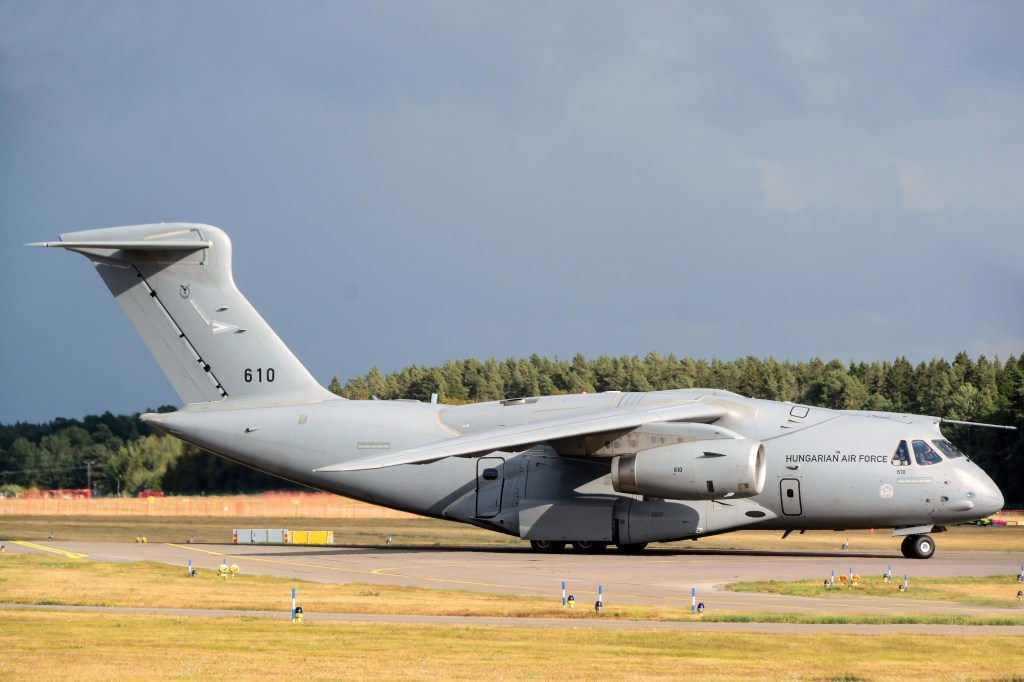
SAAB also manufactures the S 106A, an airborne early warning and control (AEW&C) aircraft based on the Bombardier Global 6000 airframe and marketed as the GlobalEye. The aircraft is intended to replace NATO’s fleet of Boeing E-3 AWACS aircraft.
Photos and text by ©Ugo Vicenzi
By PlanesTV.
 QRA Aviation - Military Aviation Magazine
Lascia un commento