Dall’8 al 10 settembre di quest’anno si è svolta la seconda edizione dell’El Alamein International Airshow (EIAS 26). Tre giorni intensi dedicati all’innovazione, alla difesa, all’aviazione commerciale e alla tecnologia spaziale.
Lanciato nel 2024, l’evento mira a mettere in contatto le organizzazioni dei settori aerospaziale e della difesa in Africa e in Medio Oriente. Il salone si è svolto sotto il patrocinio di Sua Eccellenza il Presidente Abdel Fattah El-Sisi, Presidente della Repubblica Araba d’Egitto e Comandante Supremo delle Forze Armate, e ha coinvolto il Ministero della Difesa egiziano, l’Aeronautica Militare egiziana, il Ministero dell’Aviazione Civile, l’Agenzia Spaziale Egiziana ed EgyptAir, oltre agli operatori del settore.
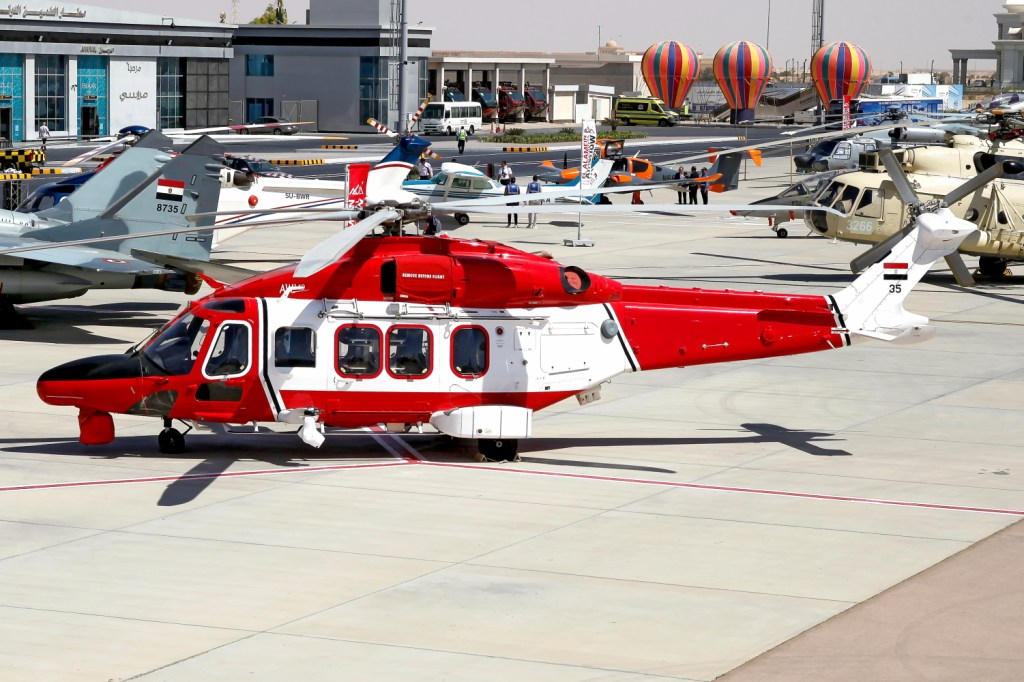
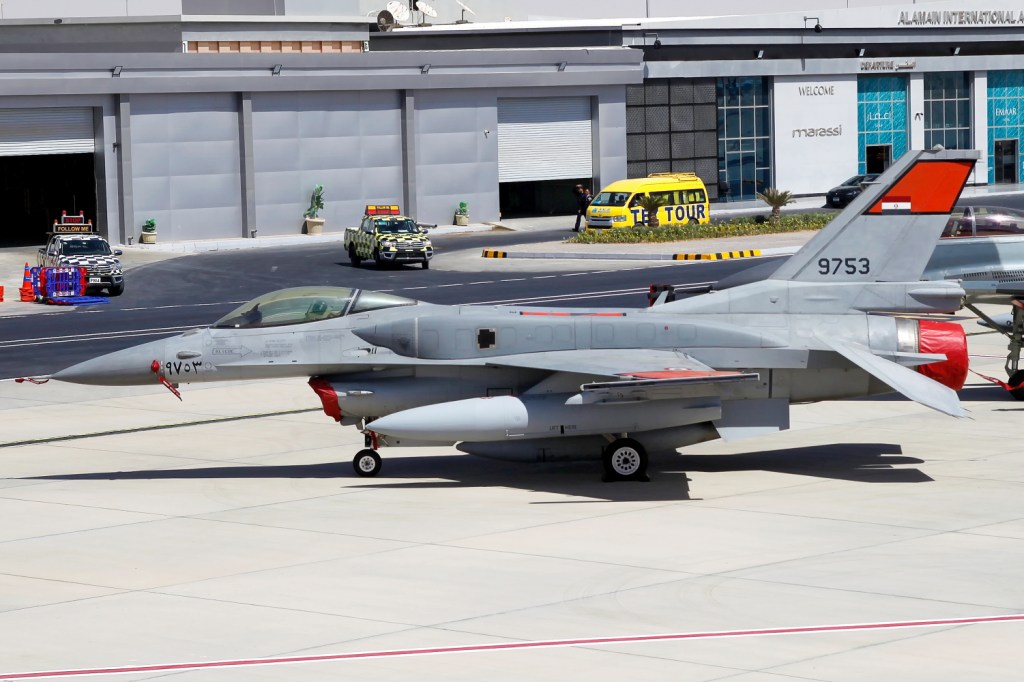
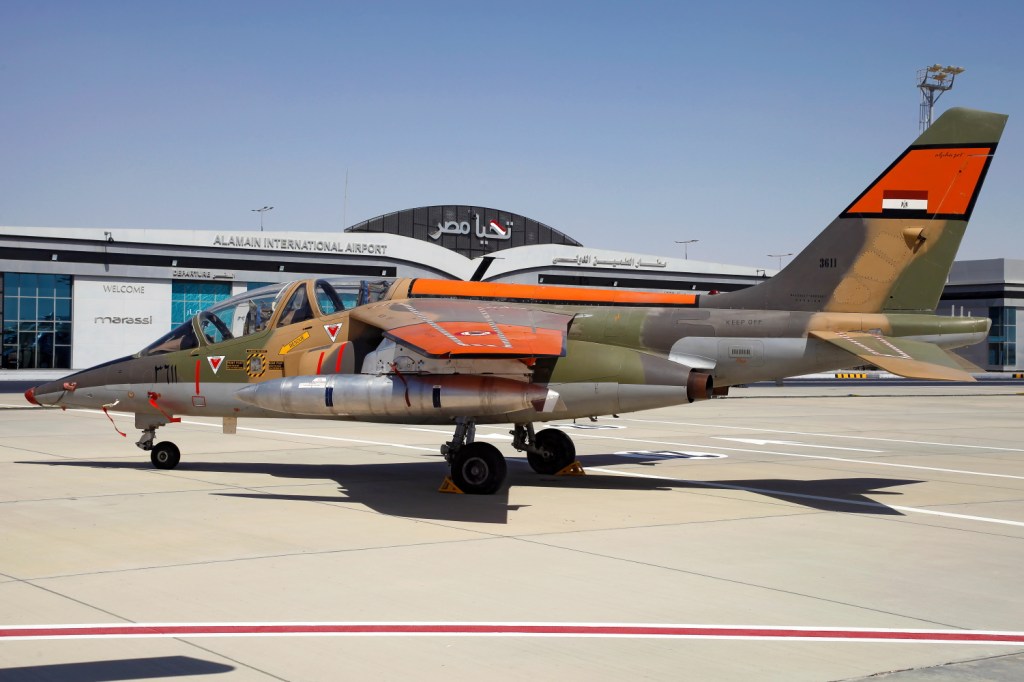
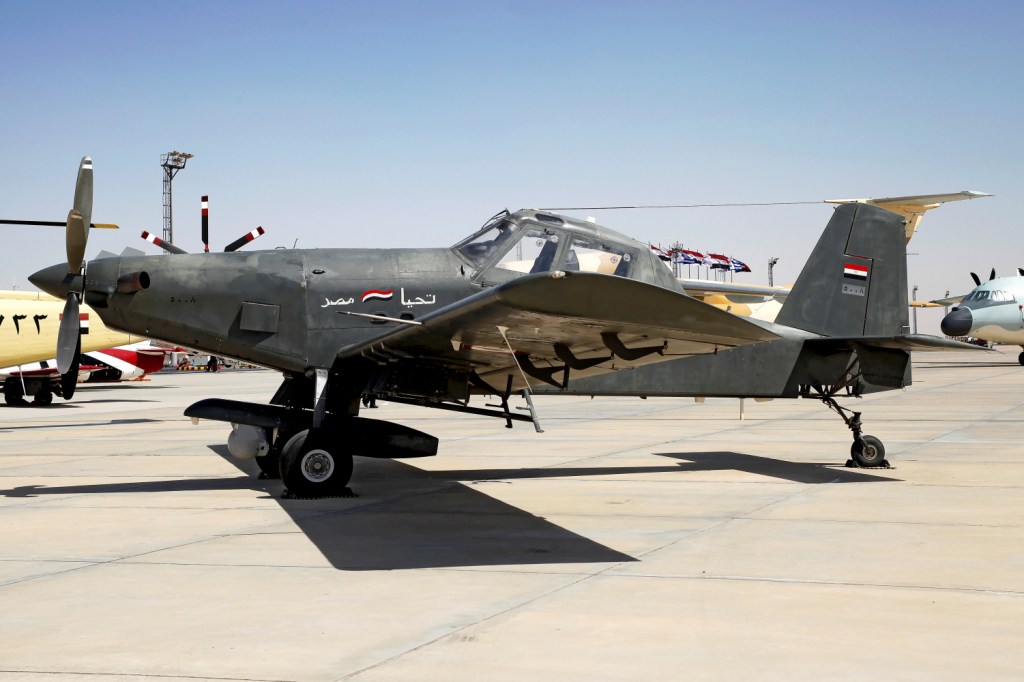
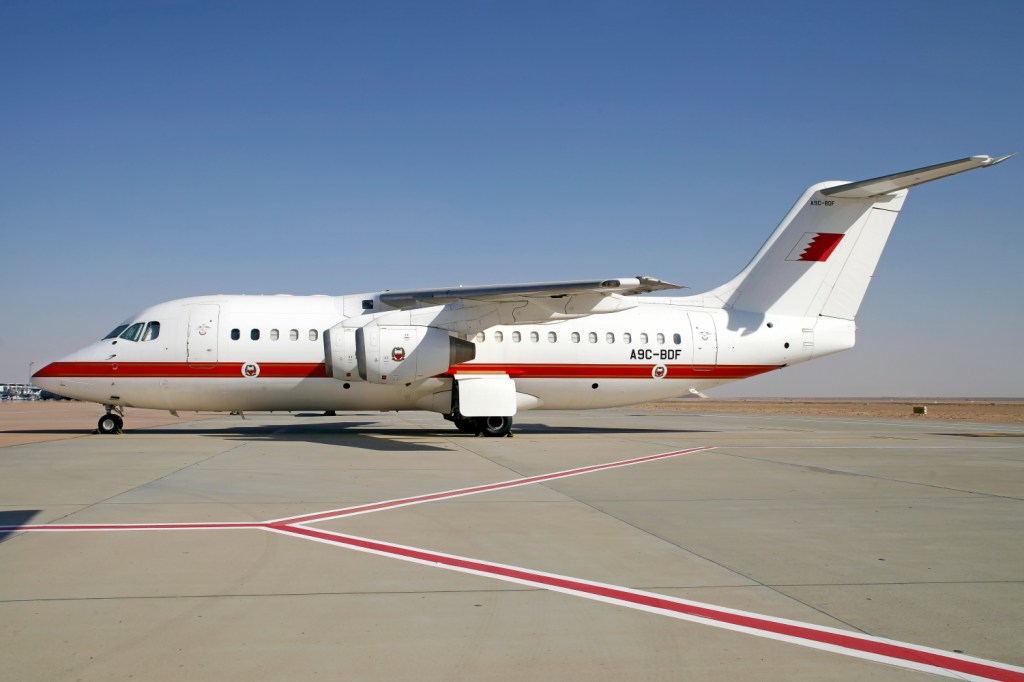
L’EIAS 26 era rivolto ai professionisti dei settori aerospaziale e della difesa, ai funzionari governativi e militari, alle autorità dell’aviazione civile, alle agenzie spaziali, ai professionisti delle compagnie aeree e dell’industria aerospaziale, nonché a produttori, fornitori e distributori operanti nei settori sopracitati. Per accedere ai vari padiglioni espositivi era quindi obbligatoria una registrazione soggetta ad approvazione.
La vera inaugurazione dell’EIAS 26 è avvenuta il 7 settembre con l’Aerospace Future Technology Symposium, una conferenza che ha riunito i più alti vertici militari, ministri di diversi governi, autorità dell’aviazione civile, agenzie spaziali e dirigenti internazionali del settore aerospaziale.
Il simposio è stato aperto dall’intervento del Tenente Generale Amr Abdel Rahman Saqr, Comandante dell’Aeronautica Militare egiziana, che ha offerto una prospettiva strategica sulla visione dell’Egitto in merito al potere aerospaziale, alla sicurezza regionale e alla cooperazione internazionale nel campo della difesa. Ha inoltre esaminato il ruolo del potere aereo nella deterrenza, nella prontezza operativa e nello sviluppo delle capacità future.
Il simposio è servito anche ad analizzare le tecnologie, le partnership e le priorità strategiche che stanno plasmando il futuro dell’industria aerospaziale, affrontando temi come l’intelligenza artificiale e l’integrazione civile-militare.
Ottanta Paesi partecipanti, più di 250 espositori, oltre 100 velivoli tra esposizione statica e dimostrazioni in volo e più di 12.000 persone intervenute tra le varie delegazioni: questi sono i numeri della seconda edizione, che si consolida come un appuntamento imperdibile nel calendario globale.
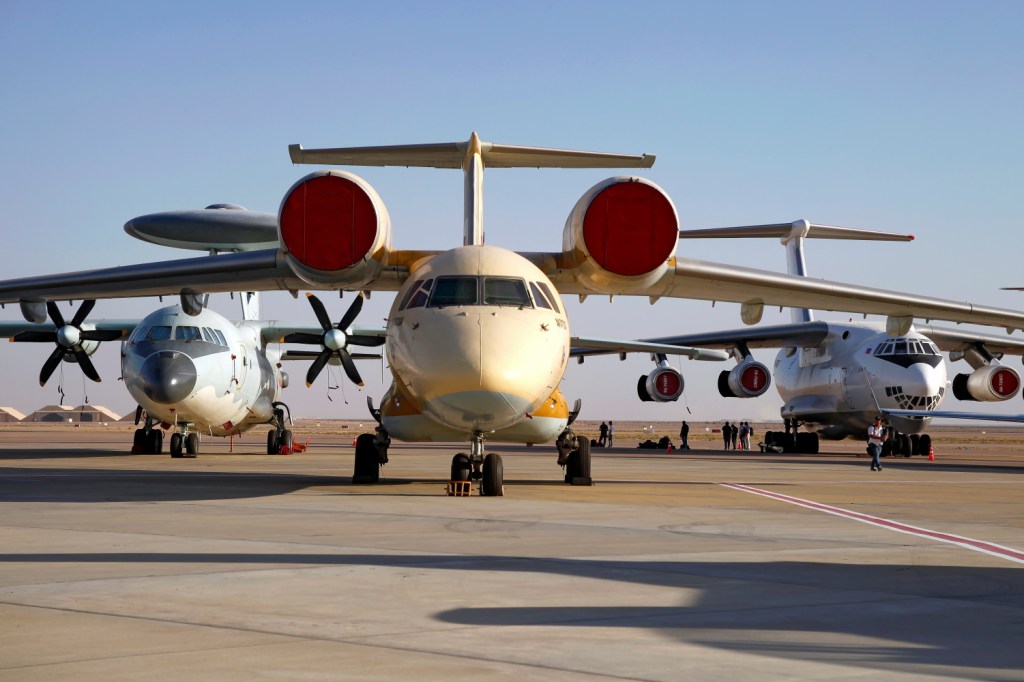
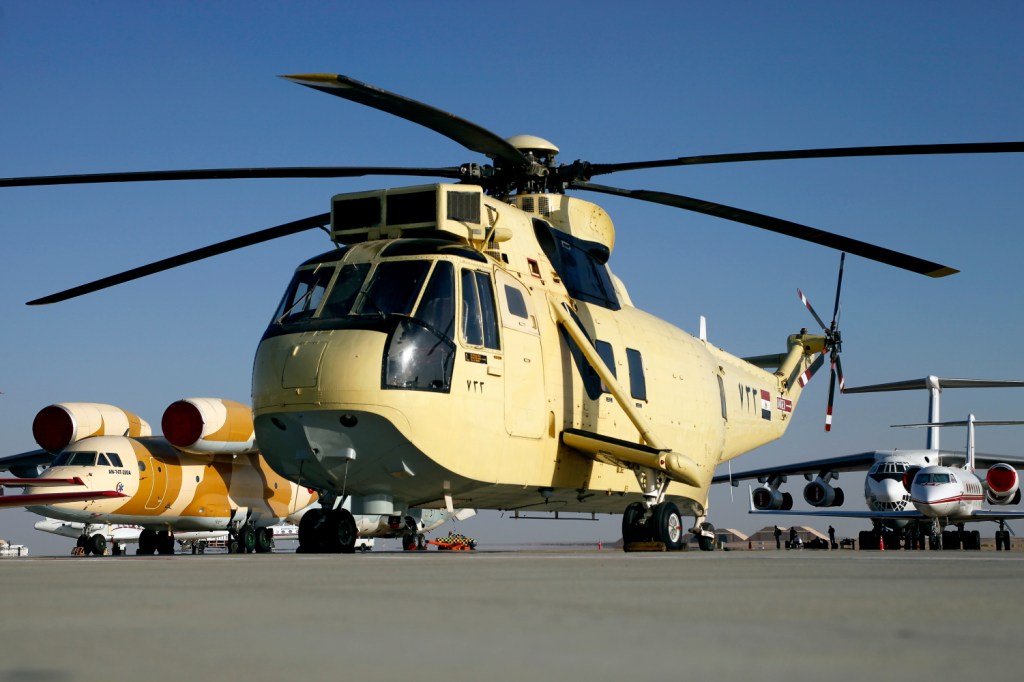
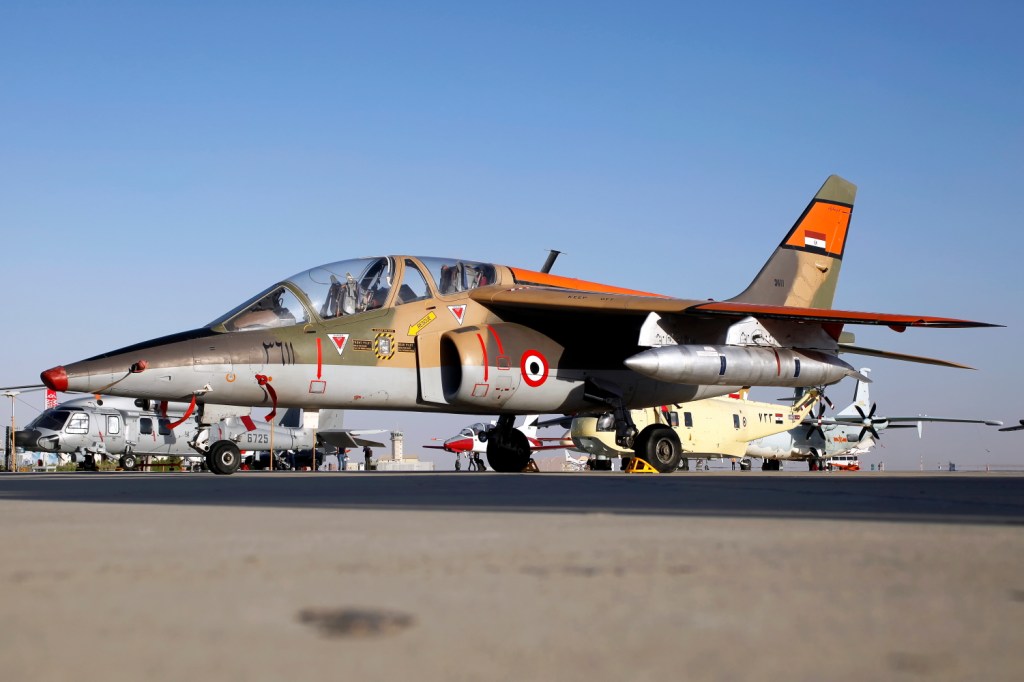
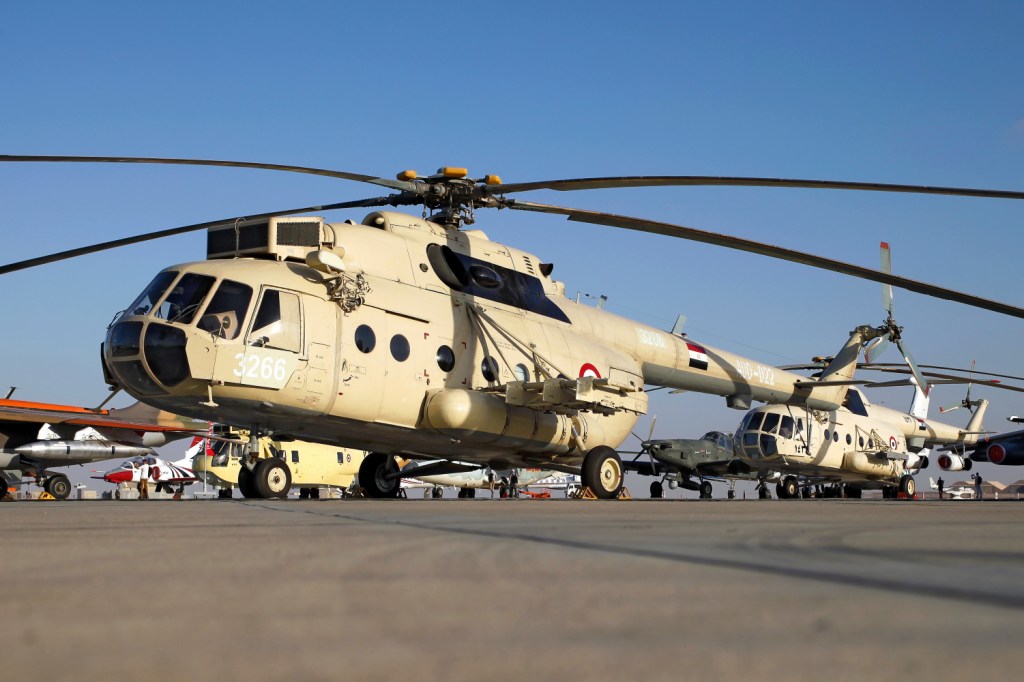
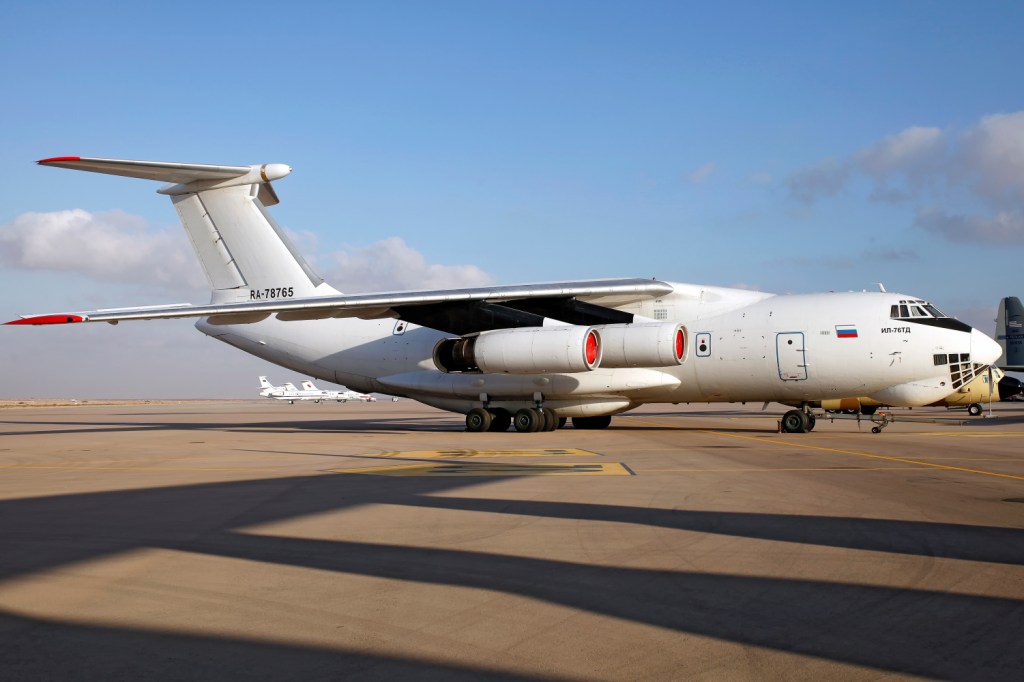
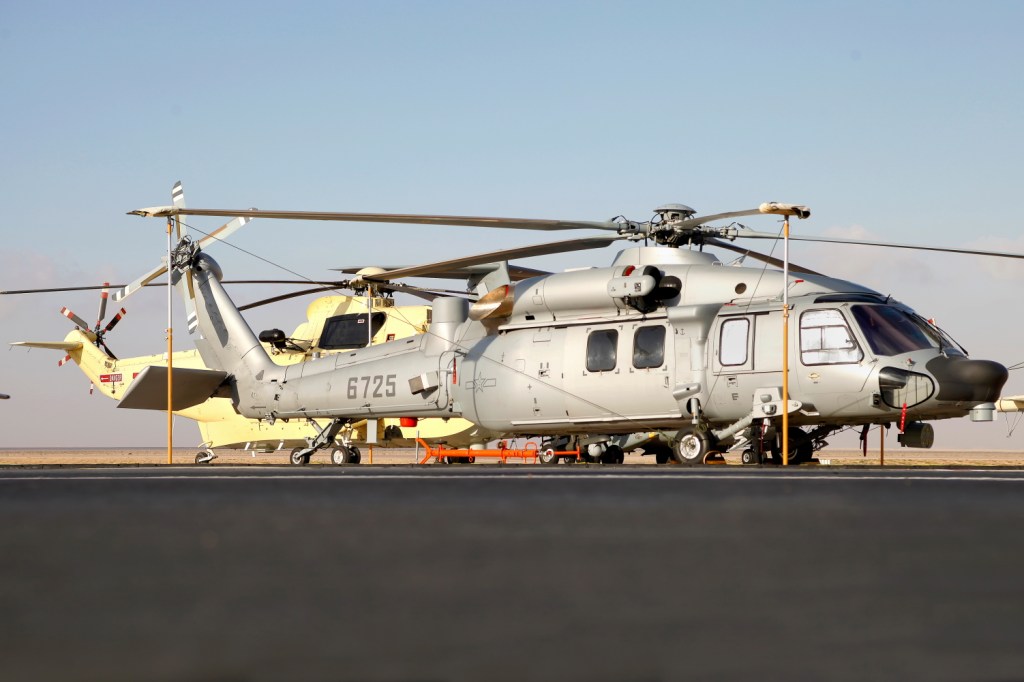
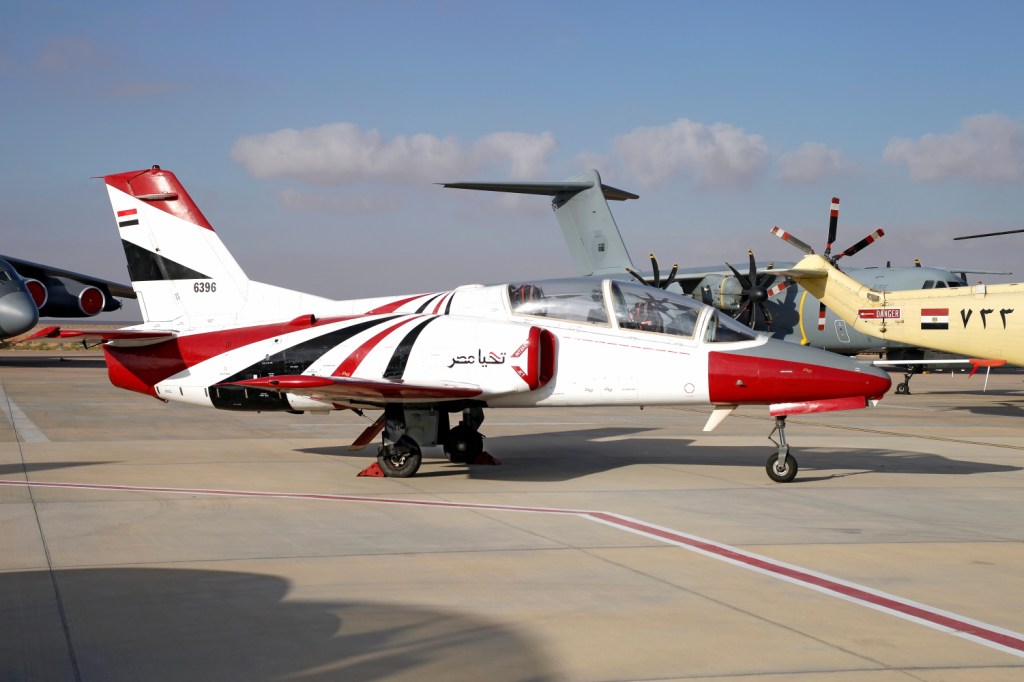
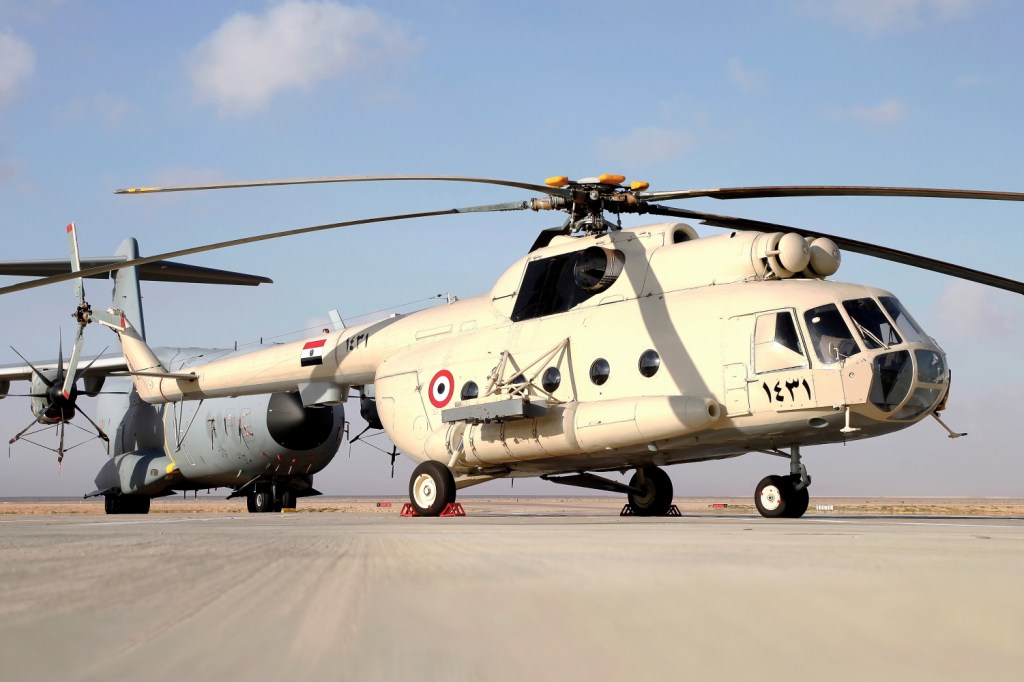
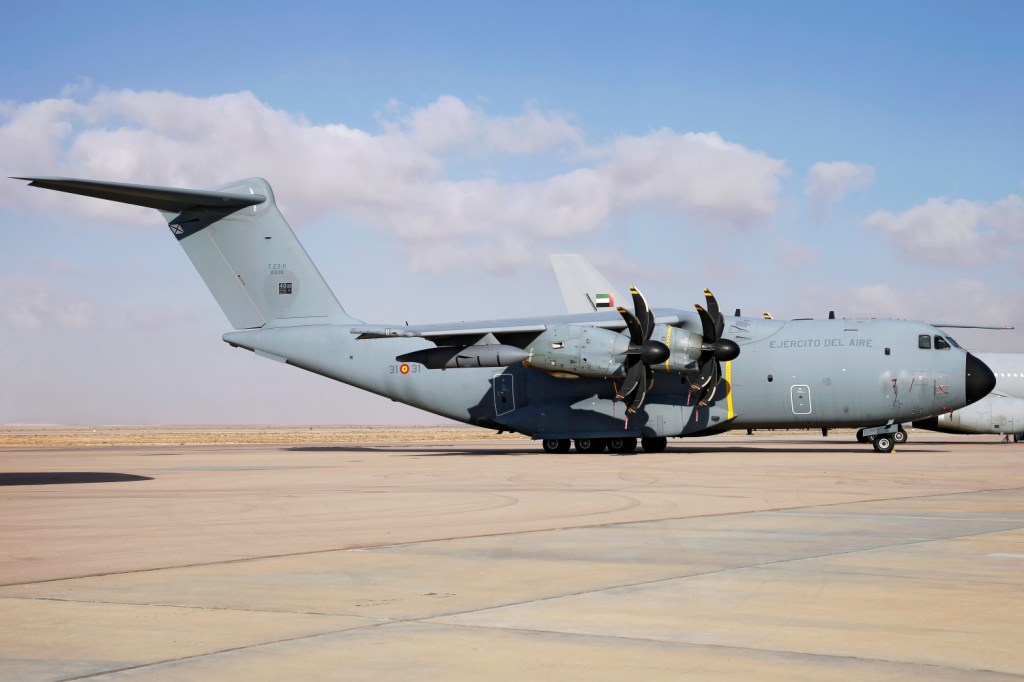
Grazie a un programma articolato, che ha compreso dimostrazioni di volo, conferenze di settore, eventi di networking ed esposizioni tecnologiche, l’EIAS 26 ha offerto un contesto di alto livello per lanciare e mostrare nuove tecnologie e capacità, instaurare relazioni con stakeholder governativi e militari della regione, entrare in contatto con operatori del settore aerospaziale, compagnie aeree e autorità dell’aviazione civile, esplorare opportunità di partnership e investimento, rafforzare la propria visibilità e persino posizionare la propria organizzazione all’interno di una delle piattaforme aerospaziali o della difesa in fase di sviluppo nell’area.
Tra i temi trattati all’El Alamein International Airshow 2026 figuravano l’aviazione civile e militare, le tecnologie spaziali, l’osservazione della Terra, la digitalizzazione del settore aerospaziale, la mobilità aerea avanzata e la cooperazione regionale in materia di difesa. Per la maggior parte degli espositori, tuttavia, i protagonisti indiscussi sono stati i veicoli aerei senza pilota (UAV), insieme ai sistemi annessi e correlati, che sono stati di gran lunga i prodotti più proposti e presentati.
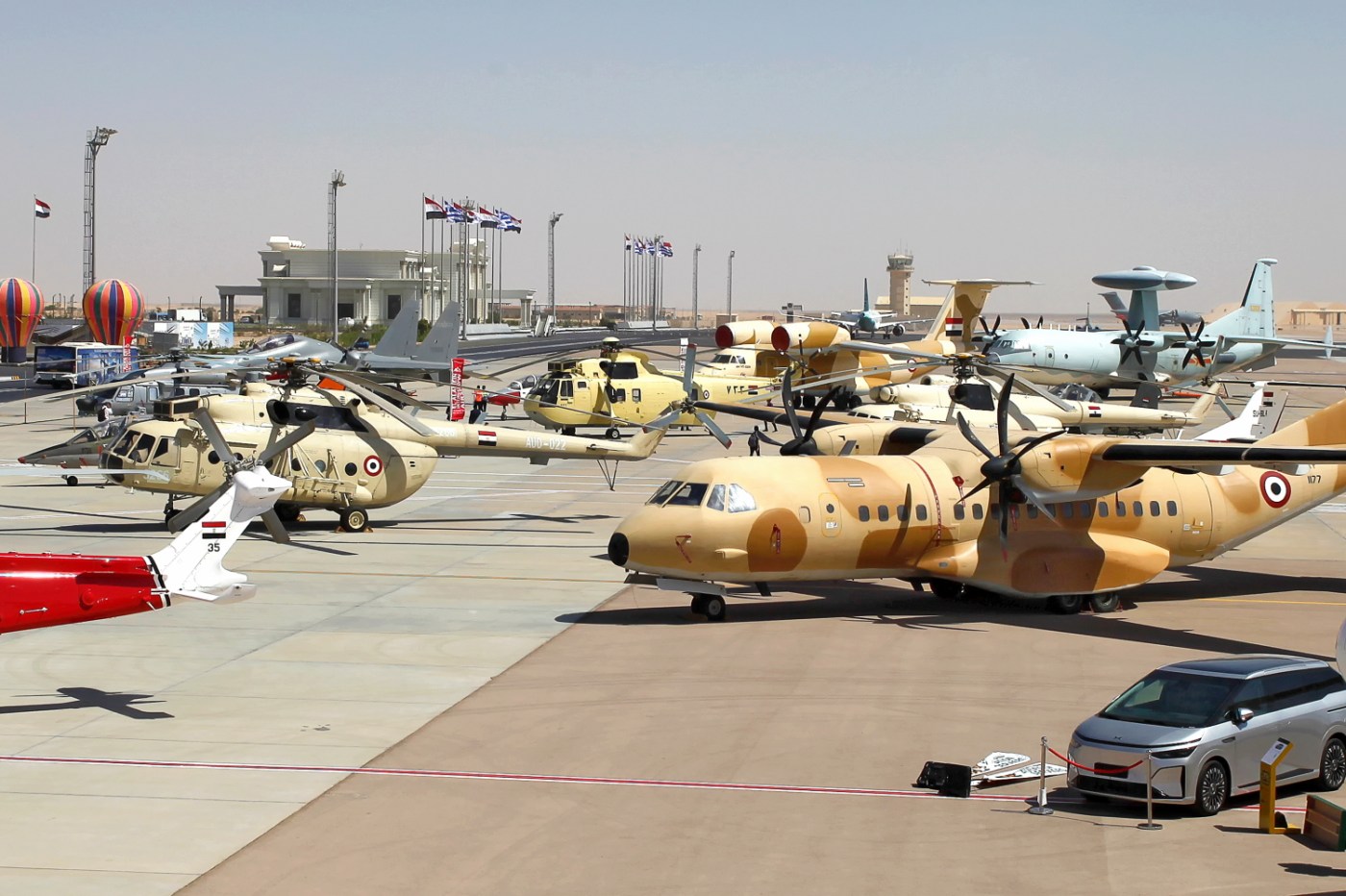
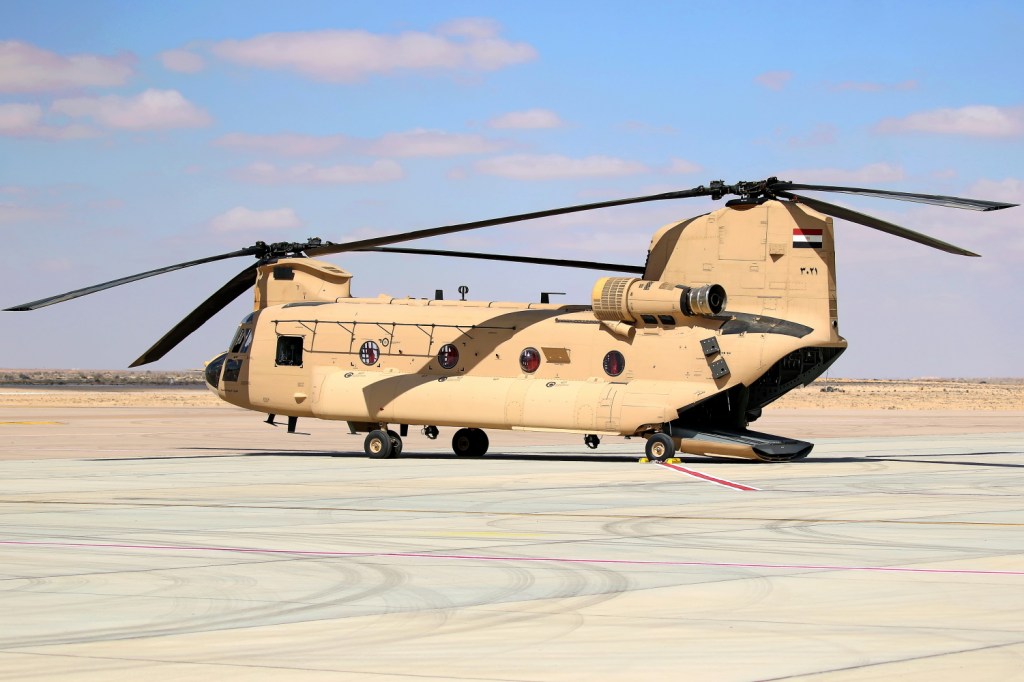
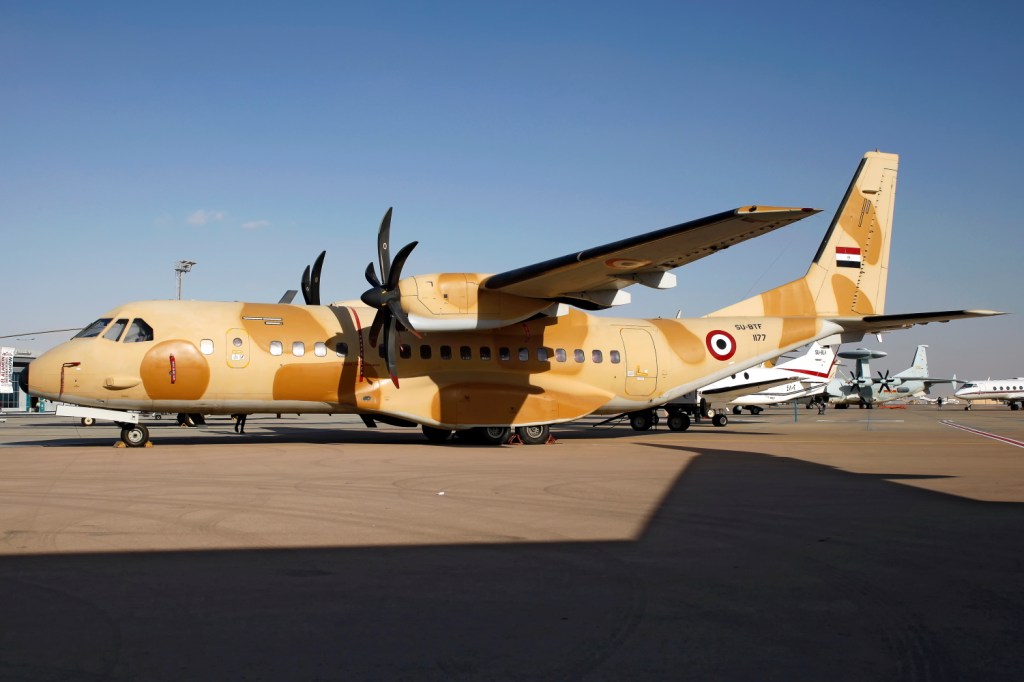
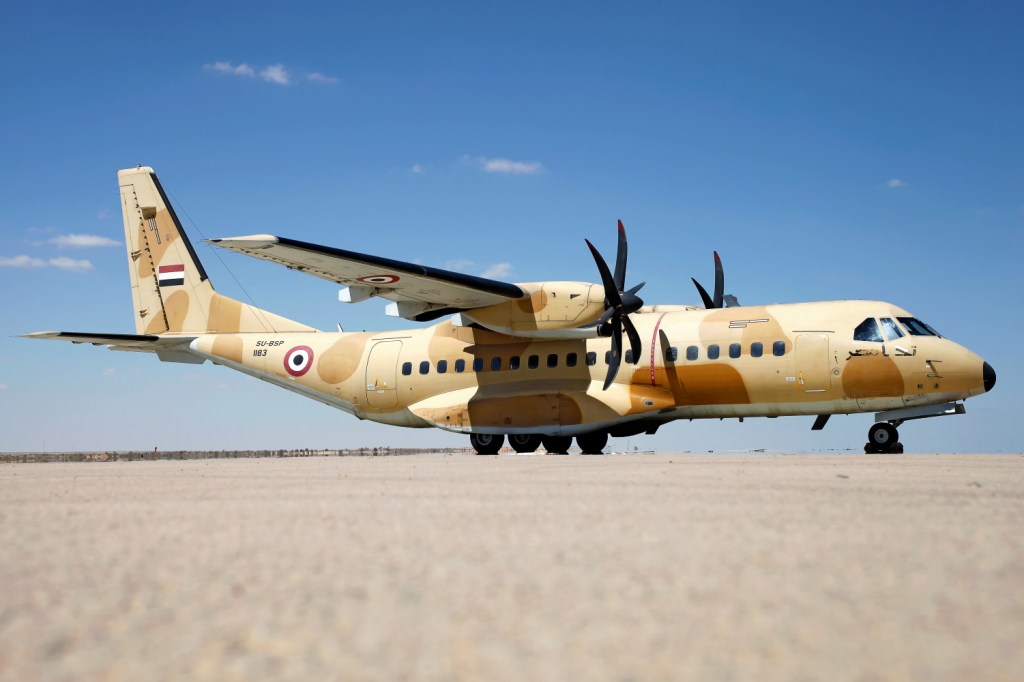
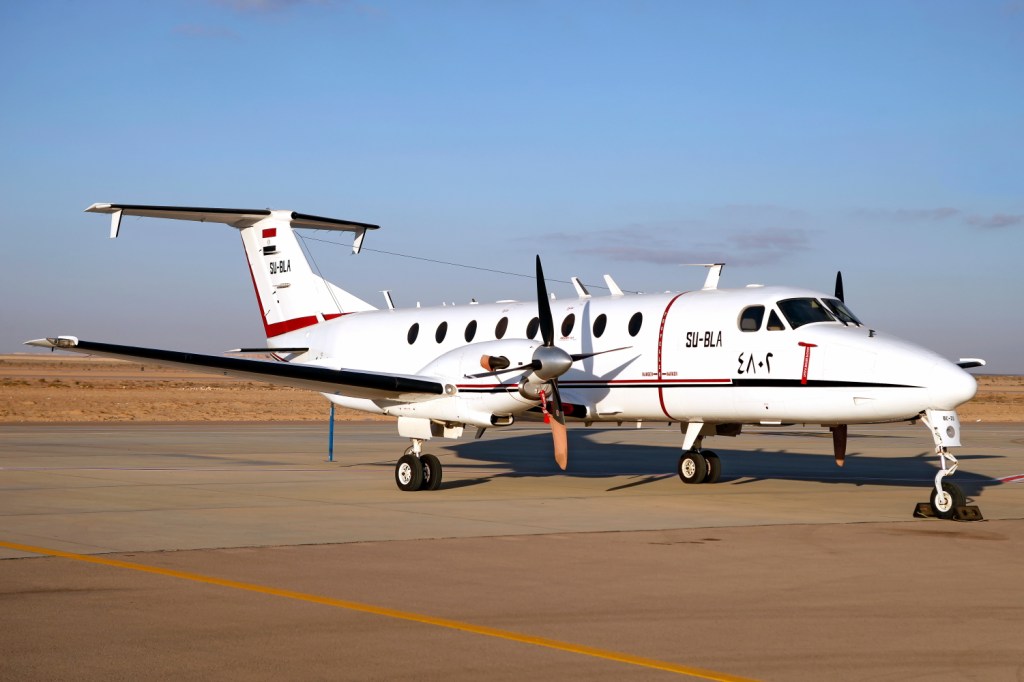
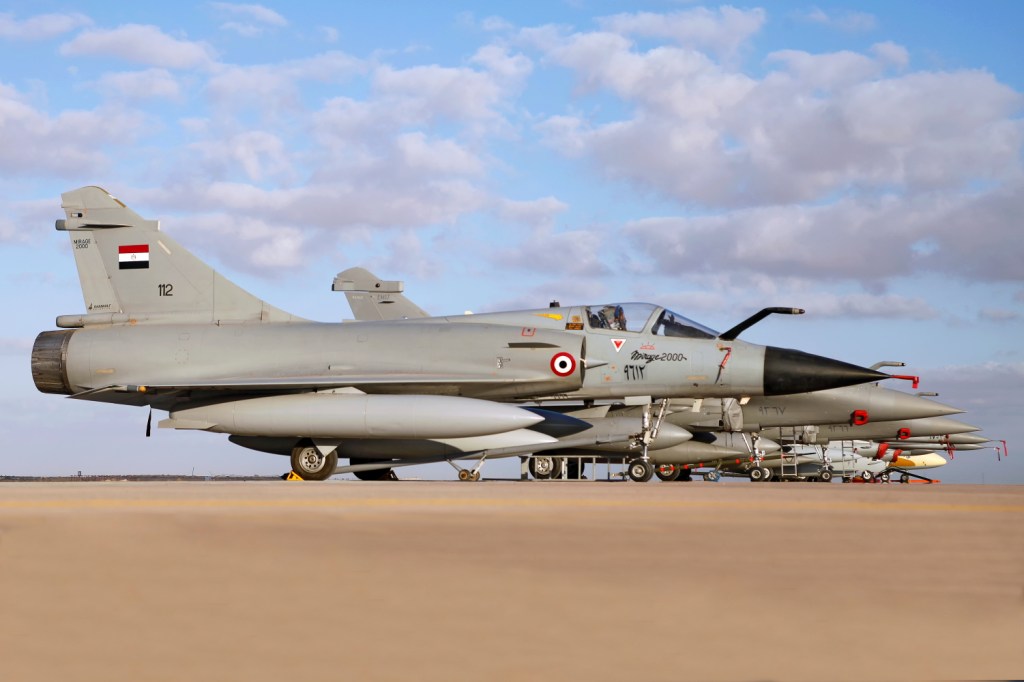
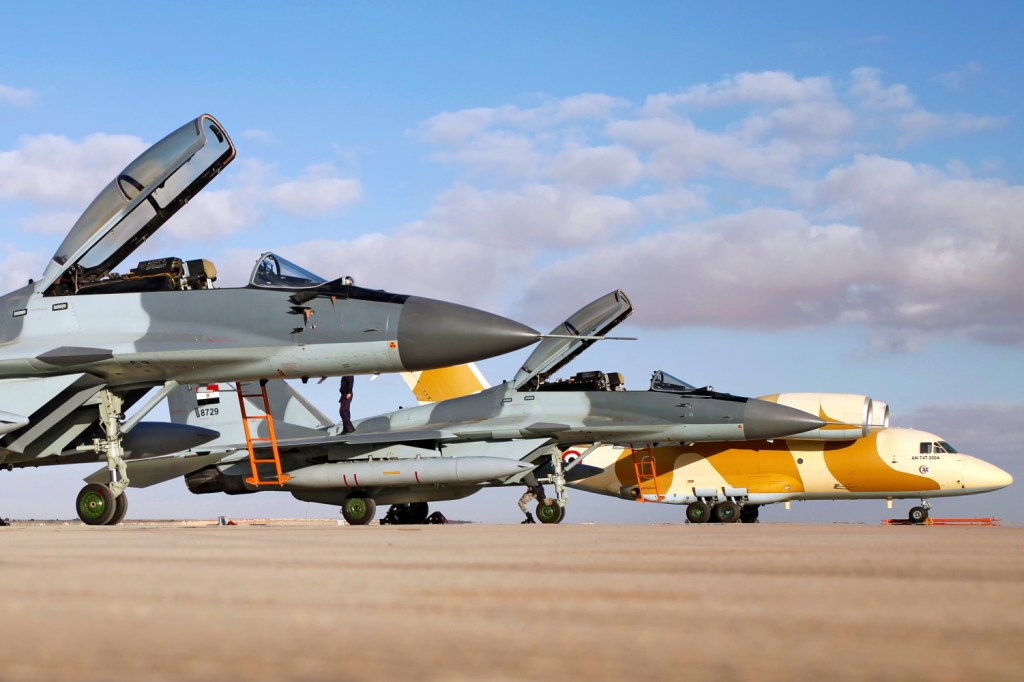
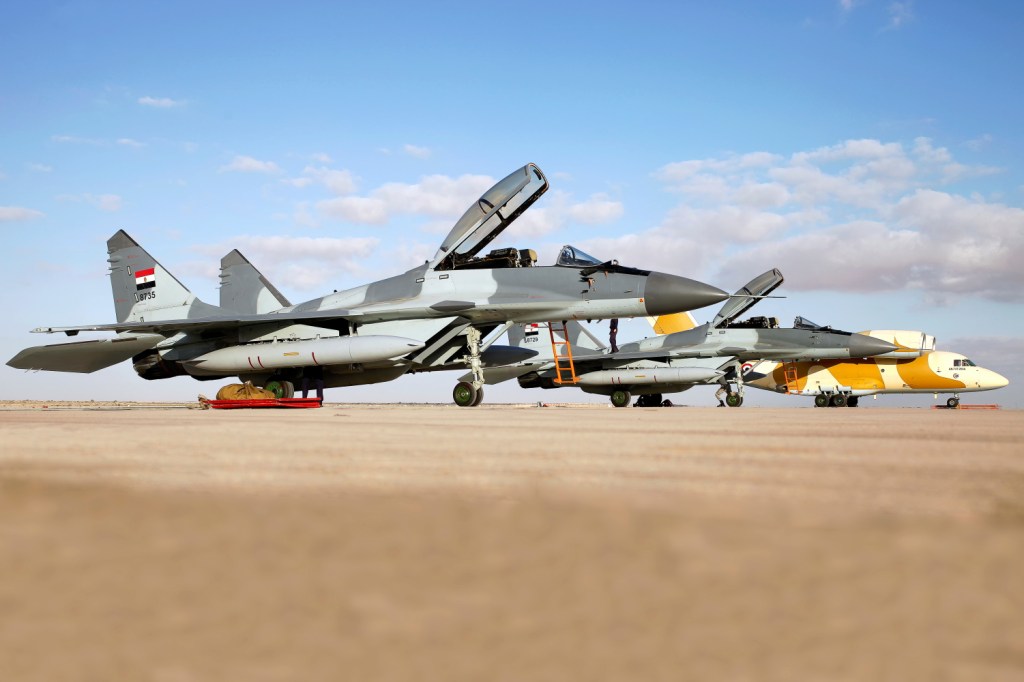
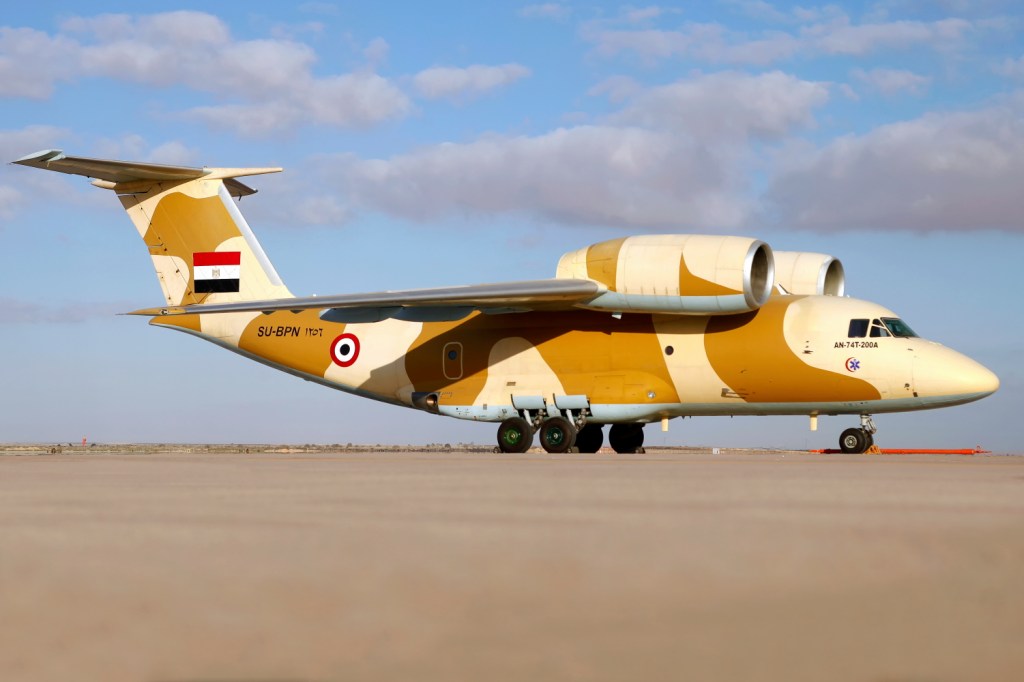
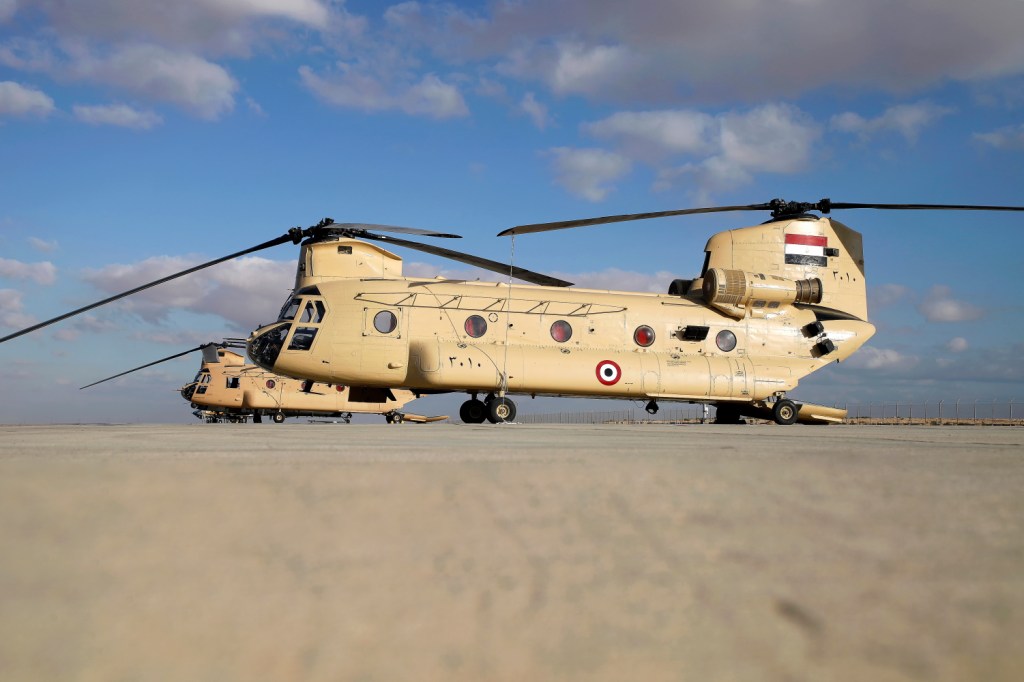
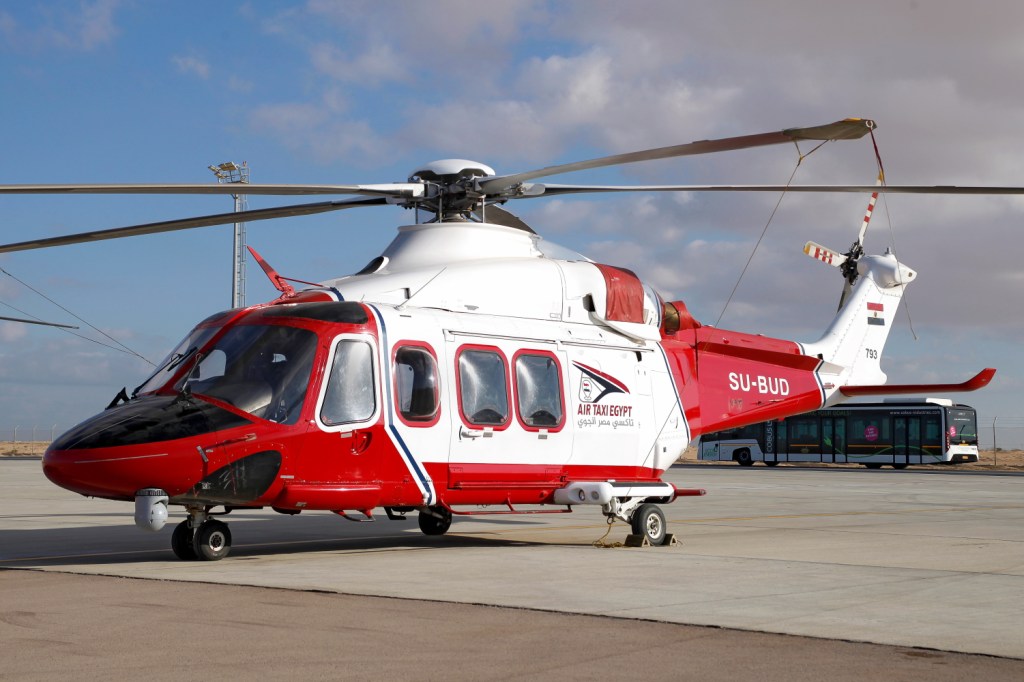
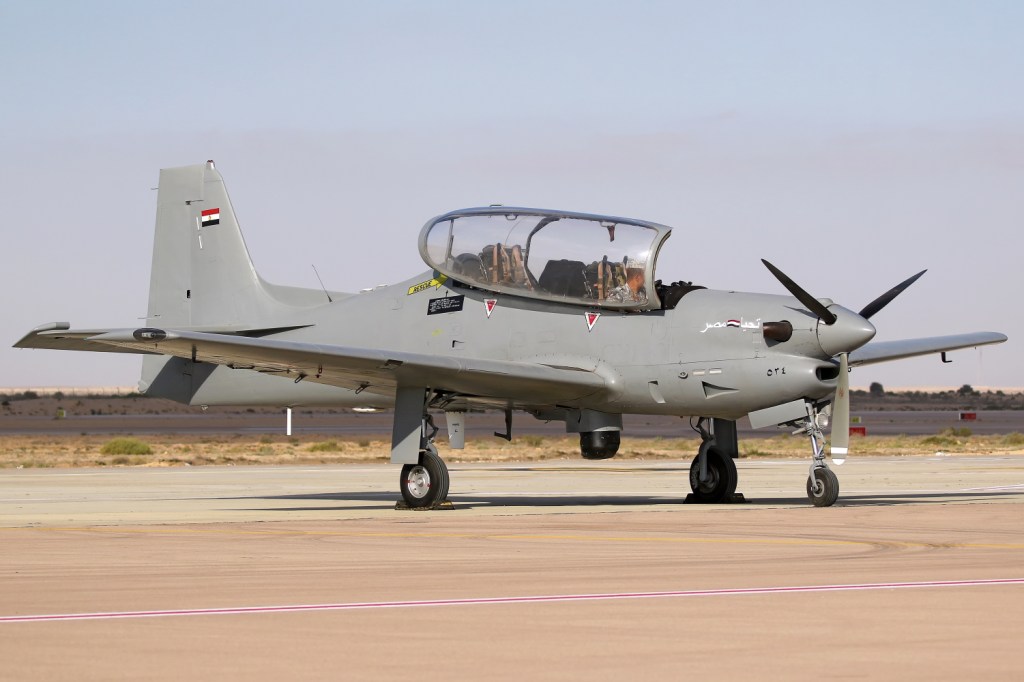
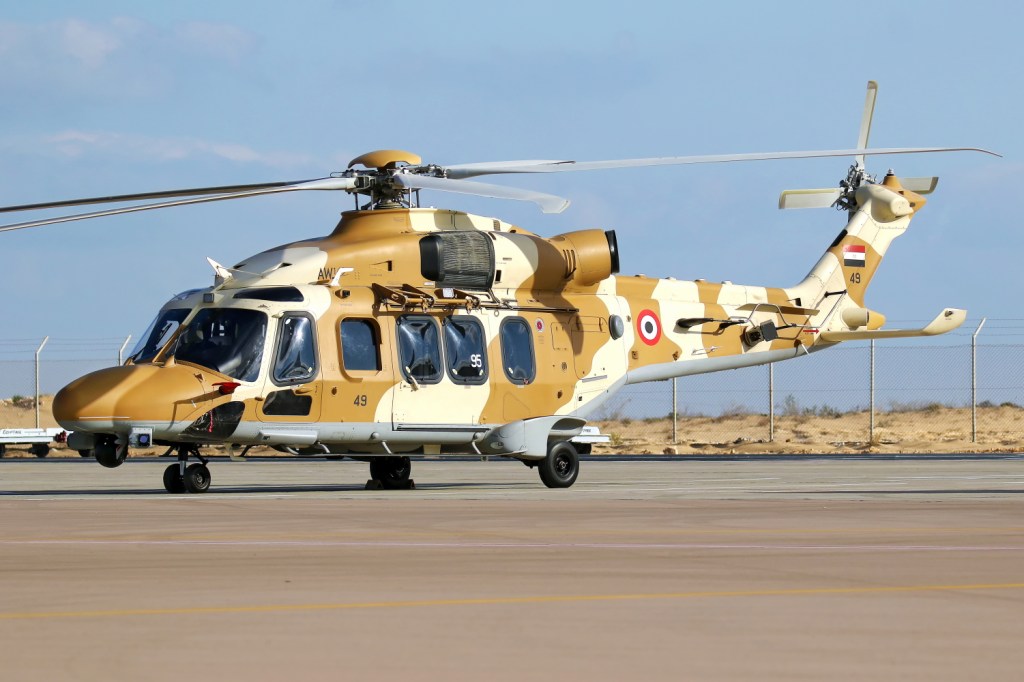
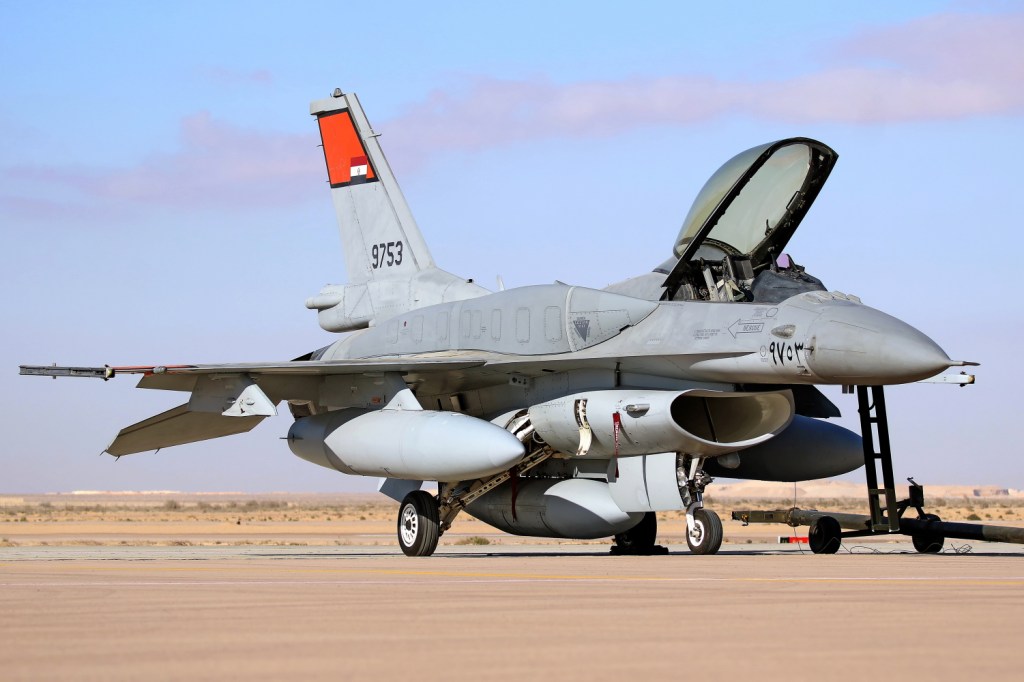
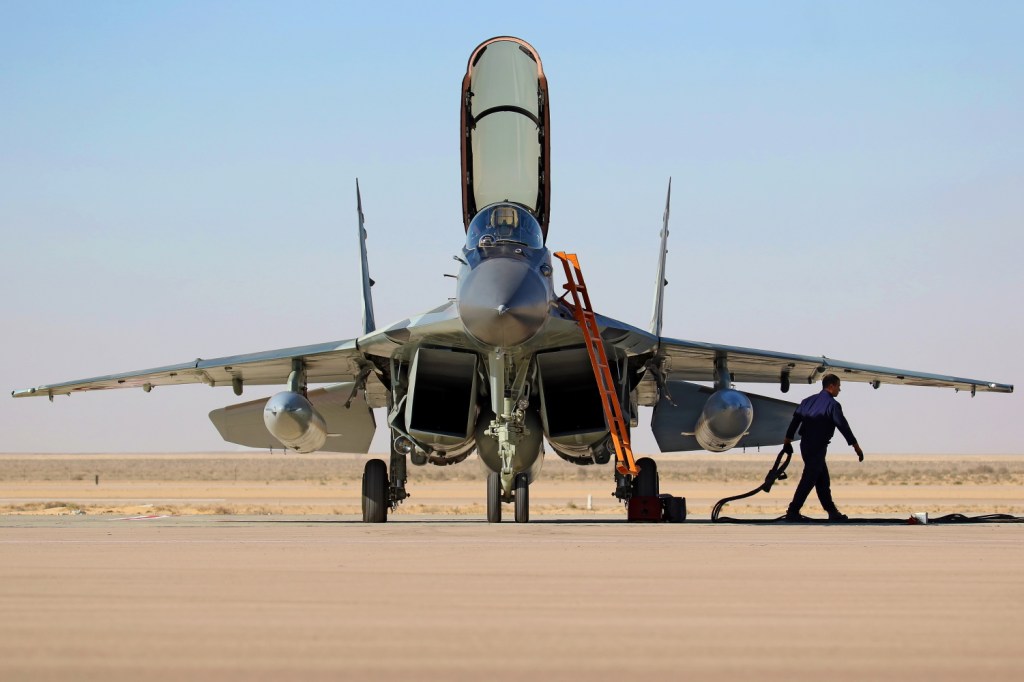
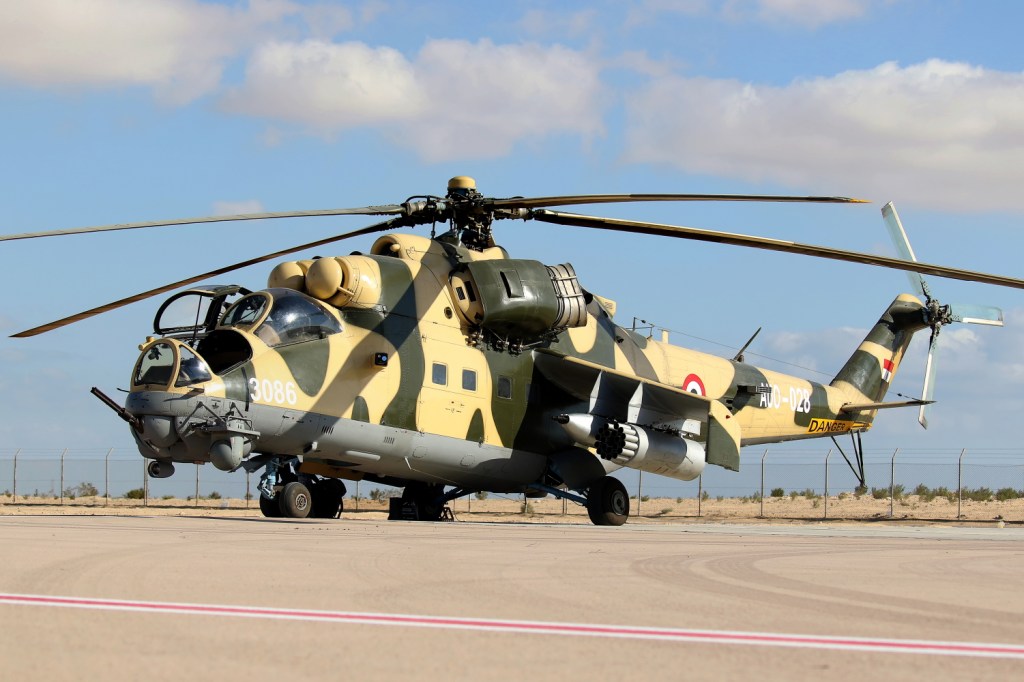
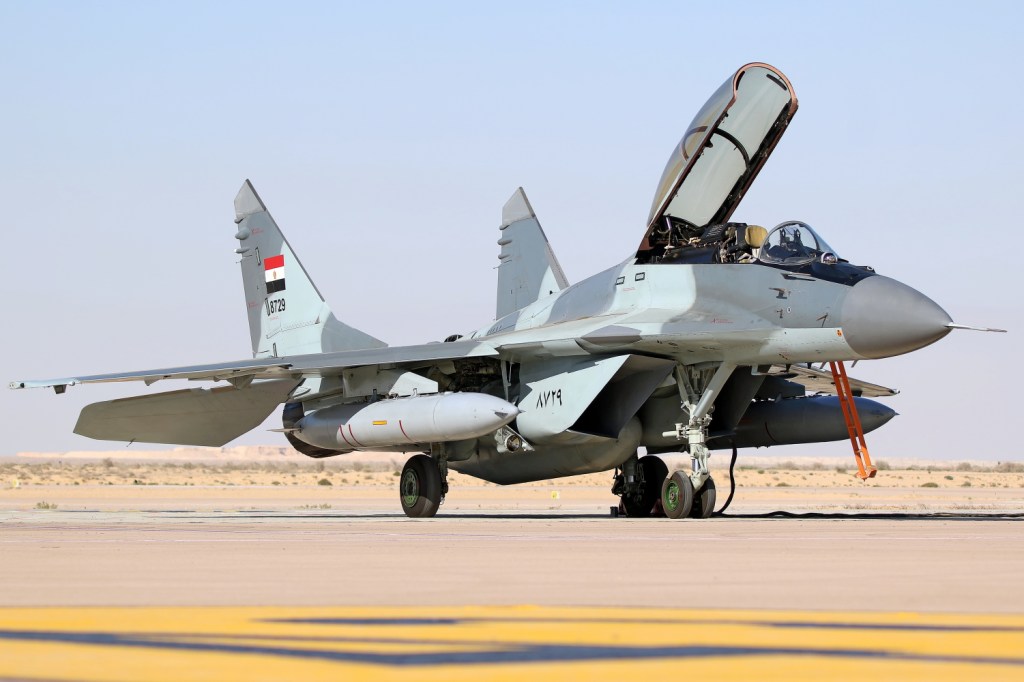
Il tragico incidente avvenuto in Grecia la settimana precedente, ma soprattutto l’attuale situazione geopolitica mondiale, hanno sicuramente influito sulla partecipazione al salone da parte dei Paesi della zona araba, impegnati in una situazione molto delicata. Per ovviare a queste assenze, l’organizzazione ha deciso di coinvolgere le Forze Armate egiziane. Grazie a questa circostanza, l’edizione di quest’anno ha visto una vastissima presenza di velivoli dell’Aeronautica Militare e dell’Esercito egiziani. Quasi la metà dei velivoli presenti nell’esposizione statica batteva infatti bandiera egiziana.
L’altra metà apparteneva a industrie aerospaziali europee, russe, cinesi e statunitensi, tutte interessate a rafforzare i legami con le Forze Armate del Paese.
La sorpresa più grande è stata sicuramente la massiccia presenza di velivoli cinesi, dovuta al fatto che, nelle due settimane precedenti il salone, questi velivoli erano stati impegnati nell’esercitazione congiunta con l’EAF denominata Eagles of Civilisation.
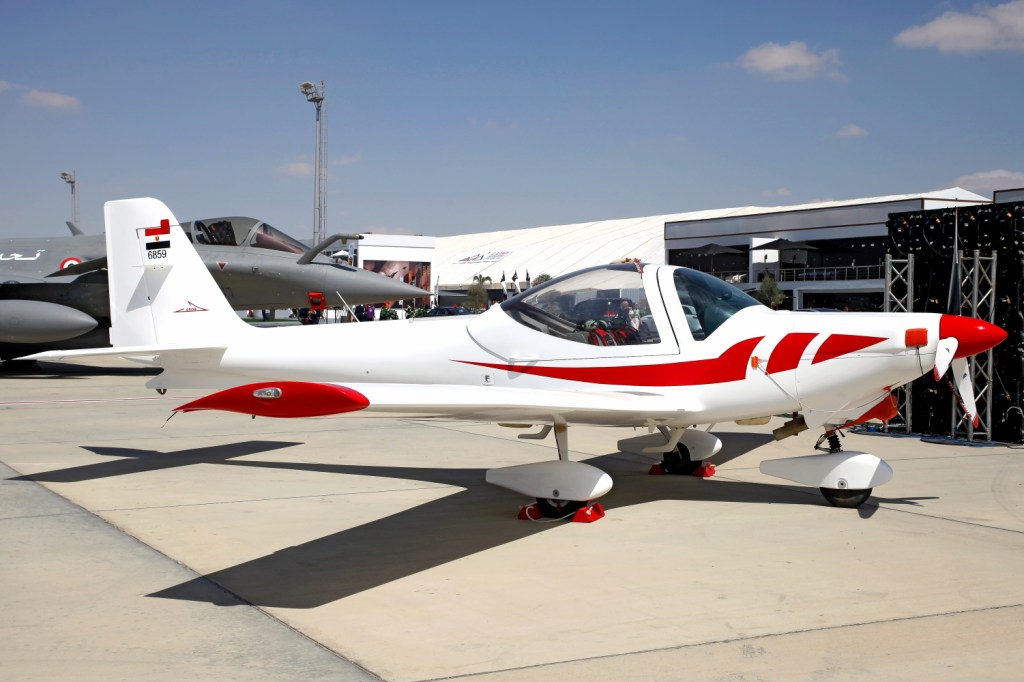
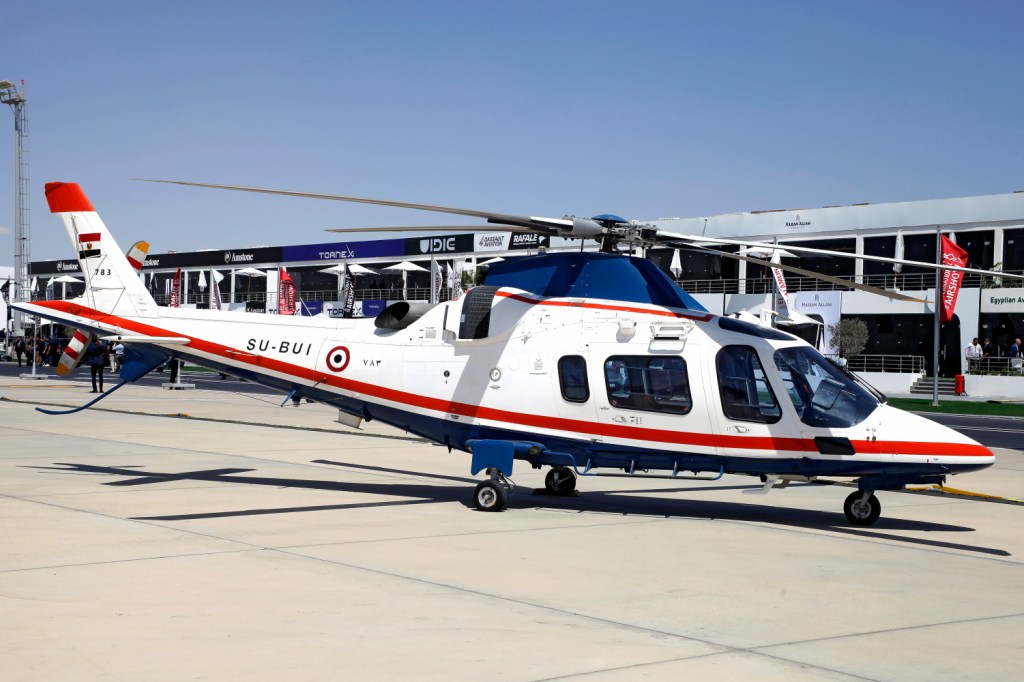
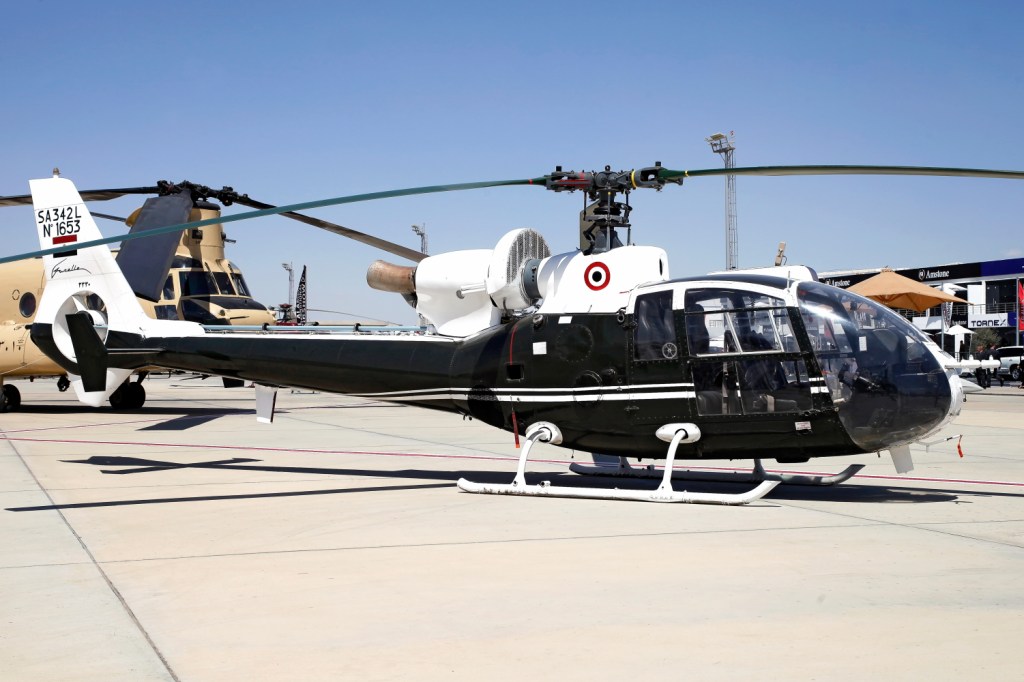
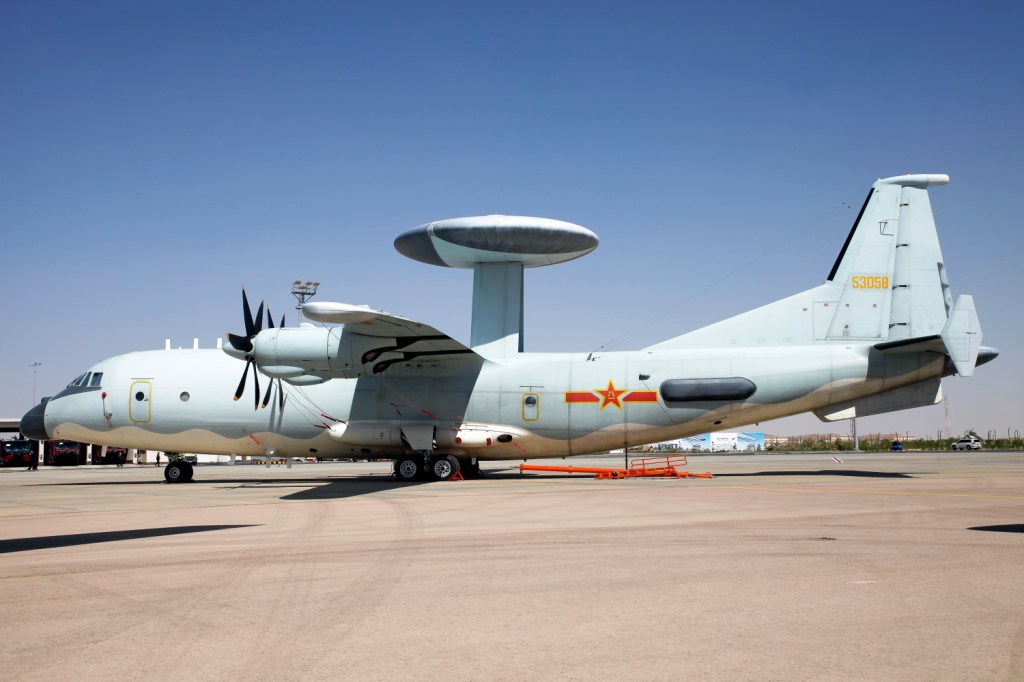
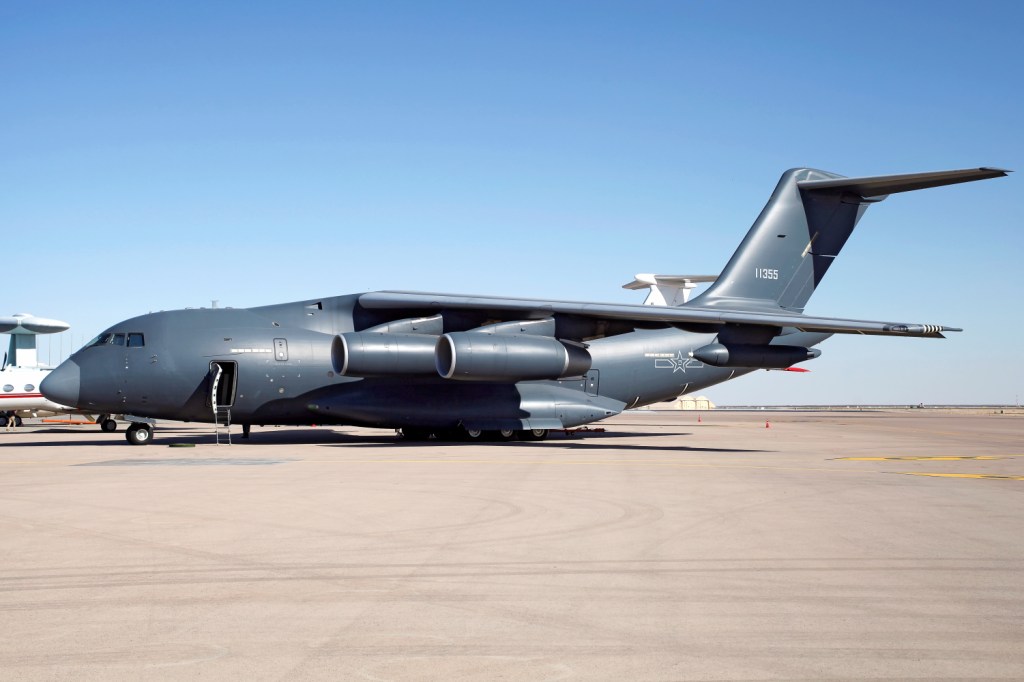
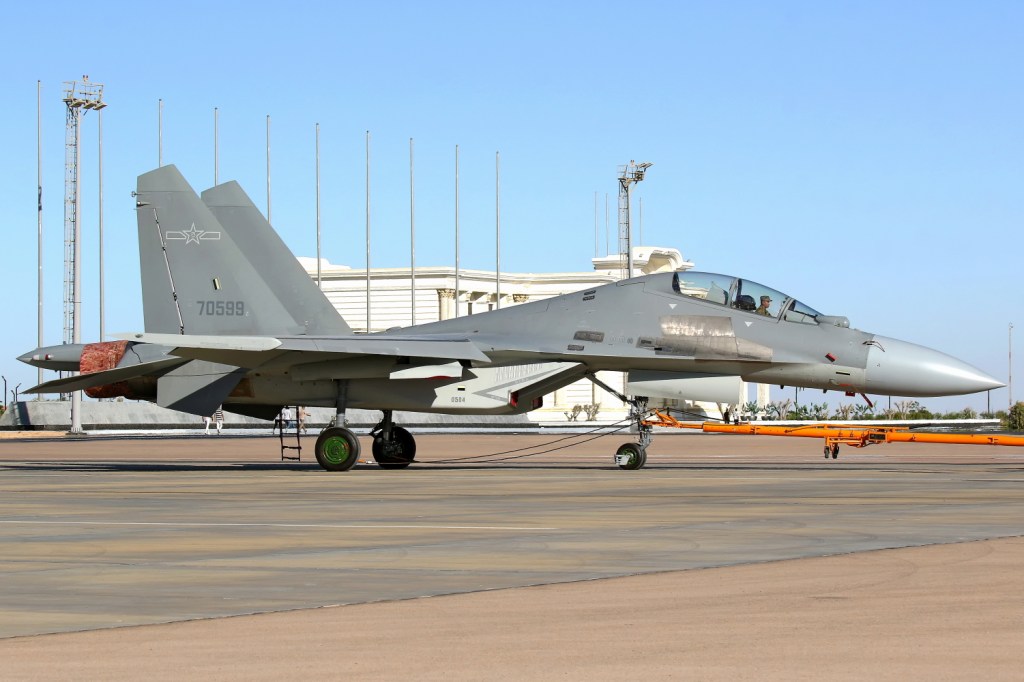
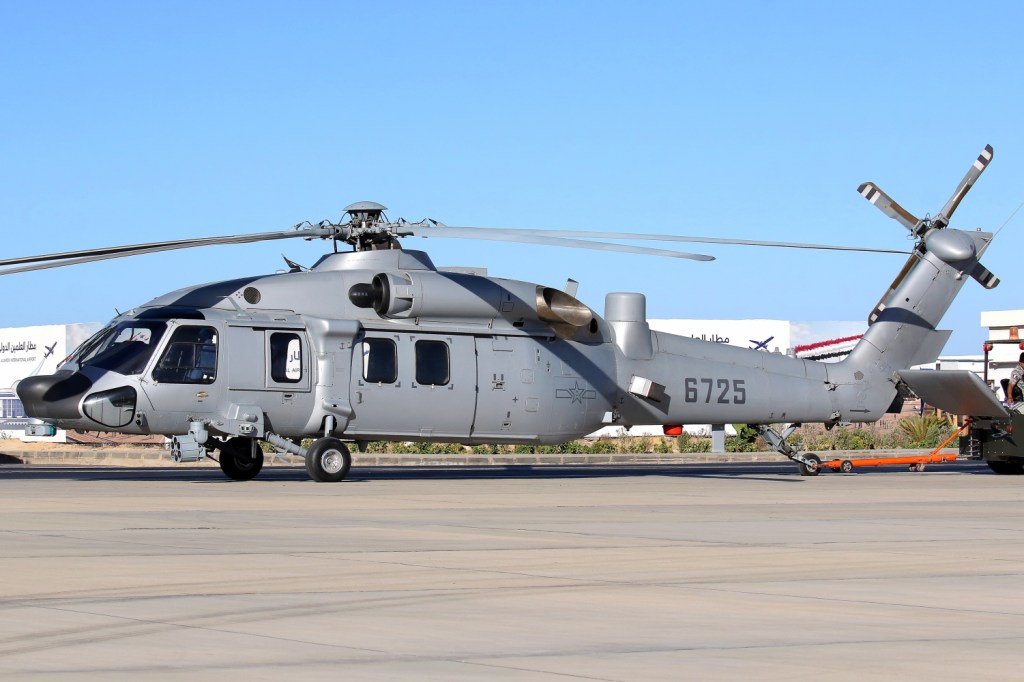
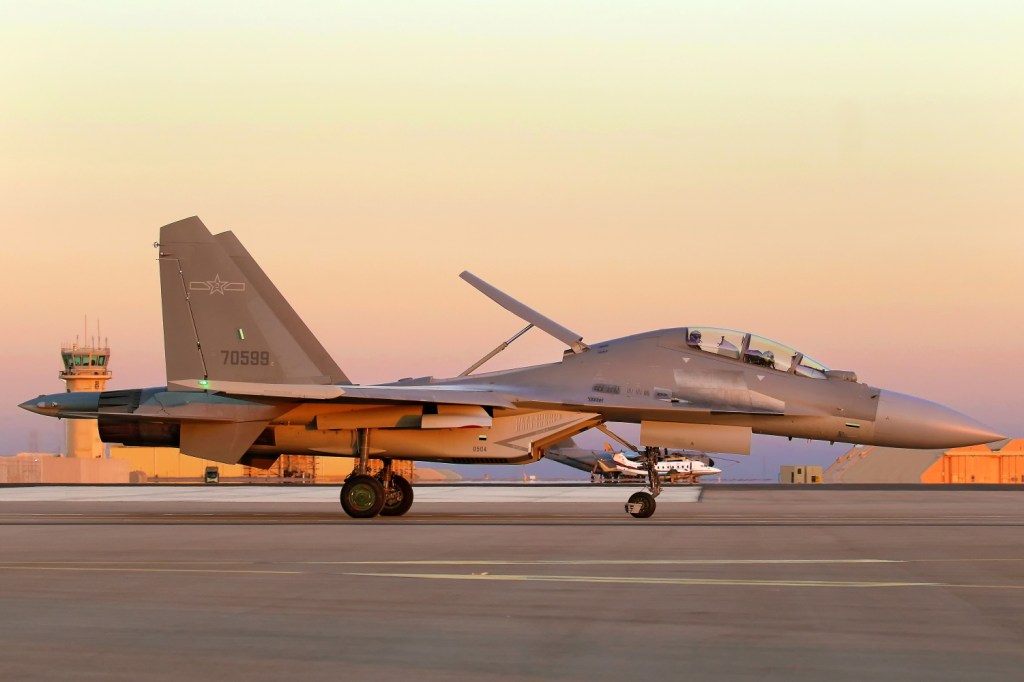
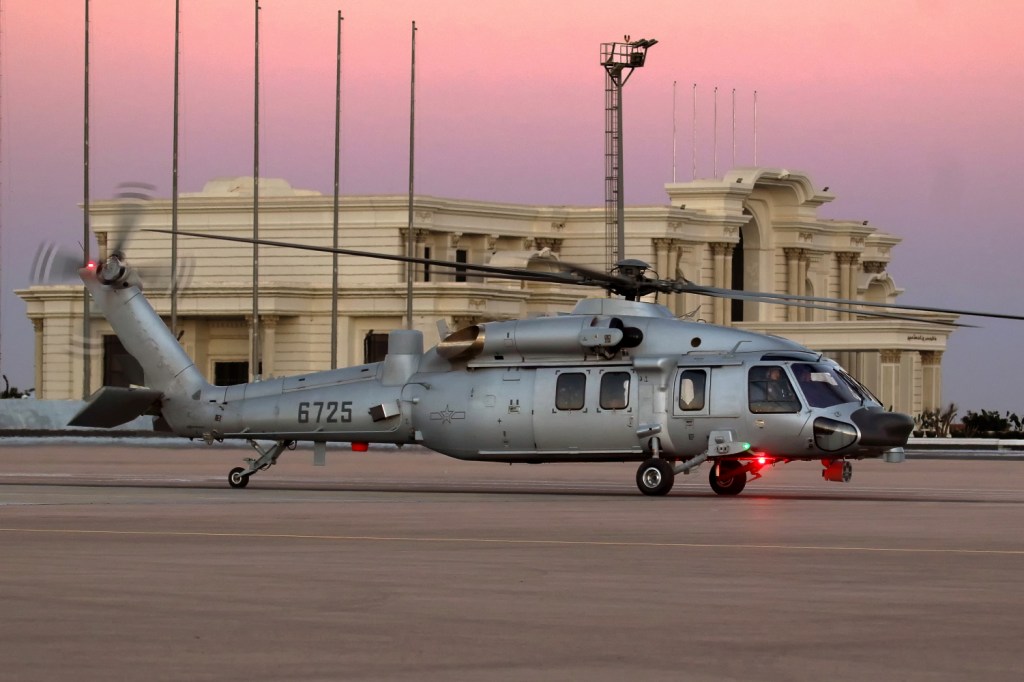
L’AWACS KJ-500, il velivolo da trasporto Xian Y-20, l’elicottero navale Harbin Z-20 e il Chengdu J-16 (versione cinese del Su-30) hanno costituito il più vasto schieramento dell’Aeronautica dell’Esercito Popolare di Liberazione (PLAAF) mai visto in un salone aeronautico al di fuori dei confini cinesi.
La presenza cinese, sia nell’area espositiva statica sia nei padiglioni con CATIC, testimonia la grande importanza di questo mercato per la Cina, che, dopo le numerose commesse di Chengdu F-7 ottenute in passato, non è più riuscita ad aggiudicarsi nuovi contratti e vorrebbe rientrare con decisione nel mercato egiziano.
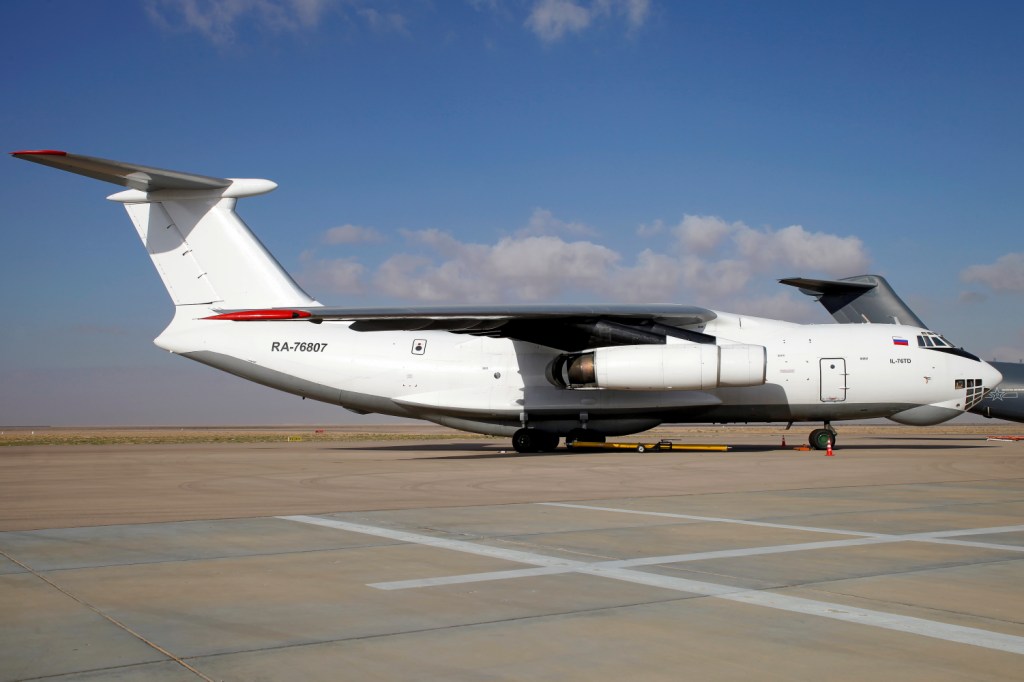
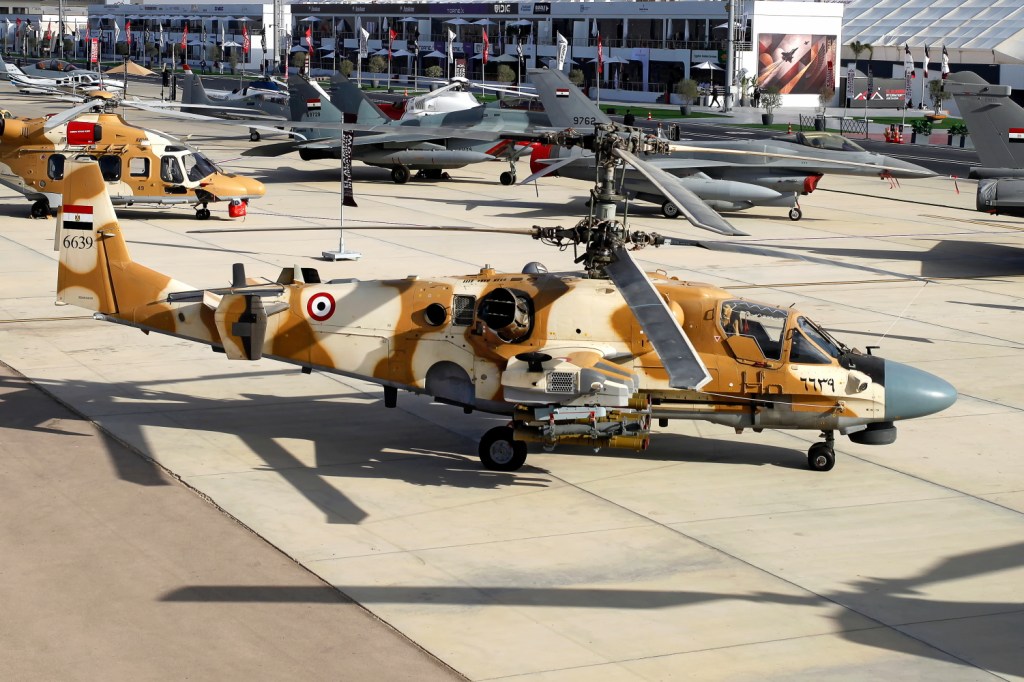
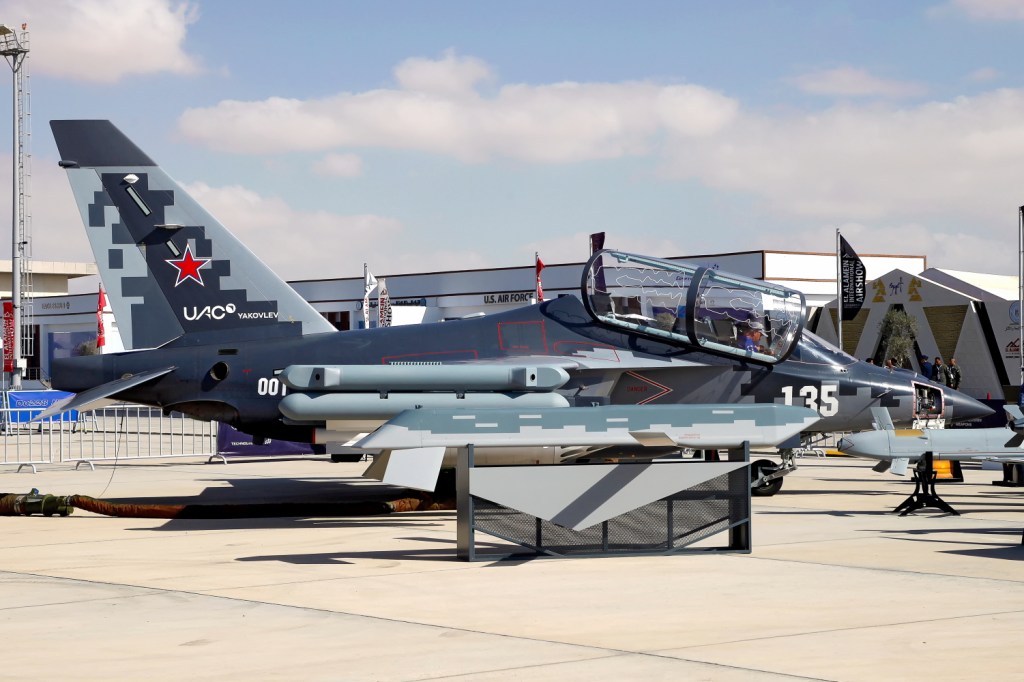
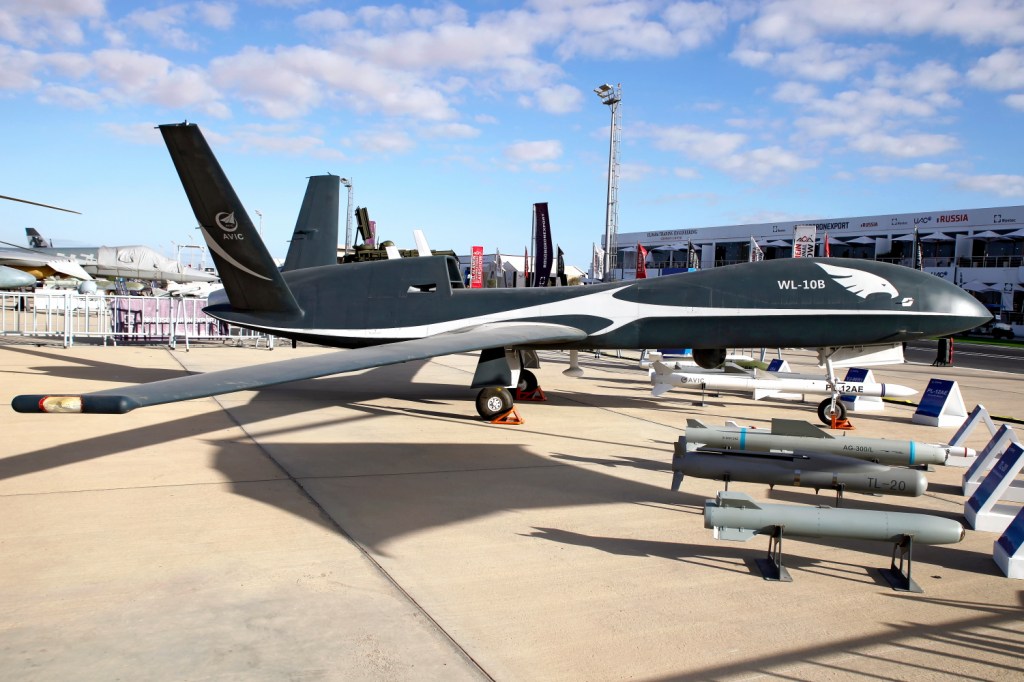
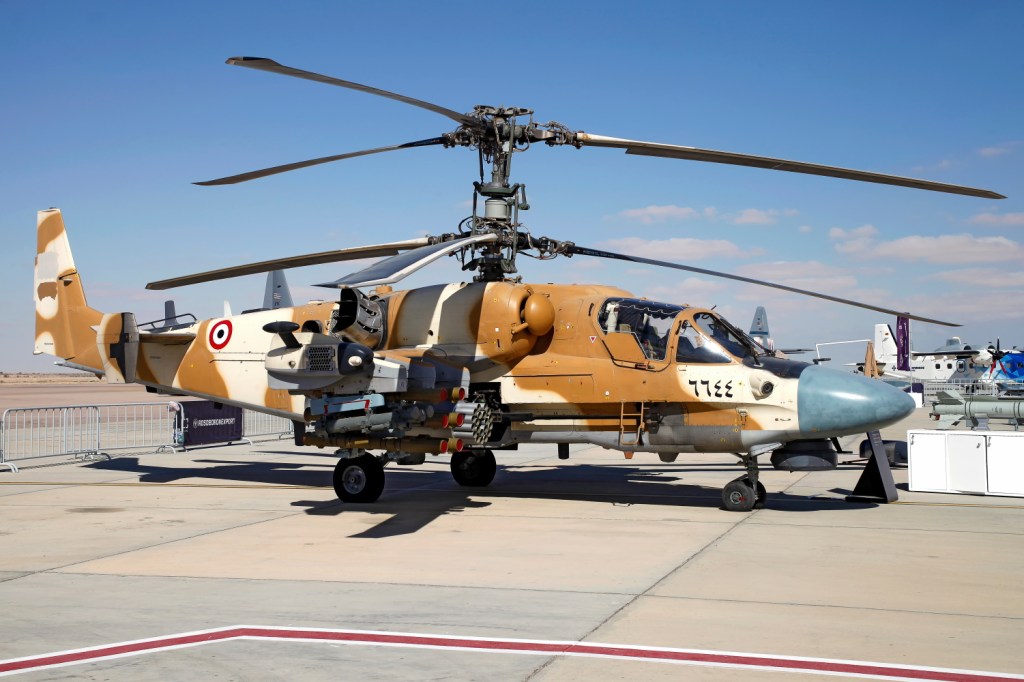
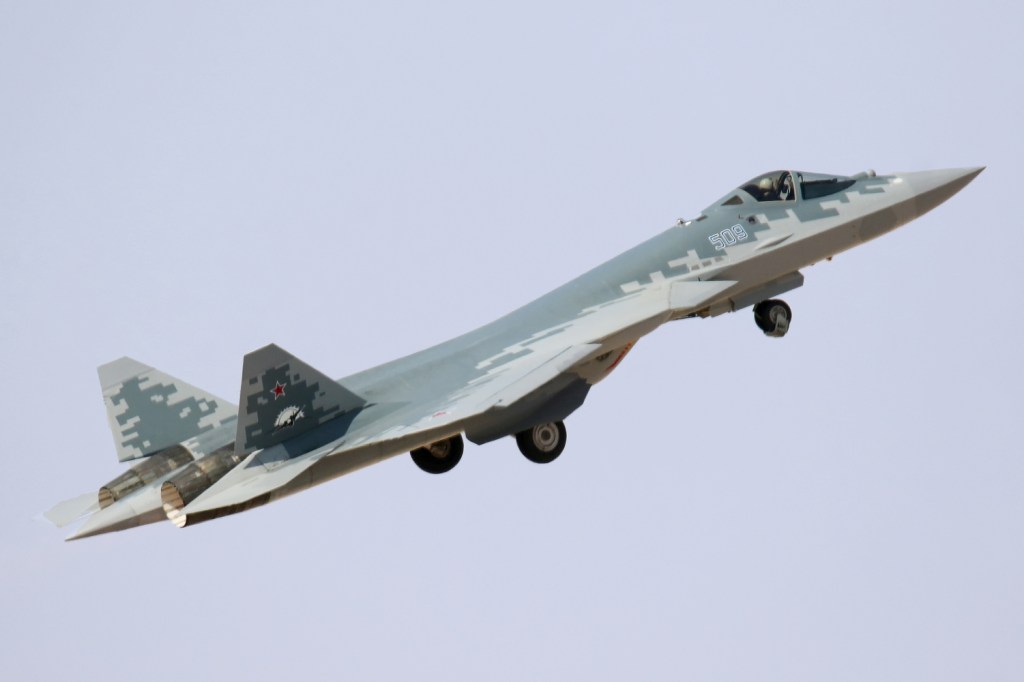
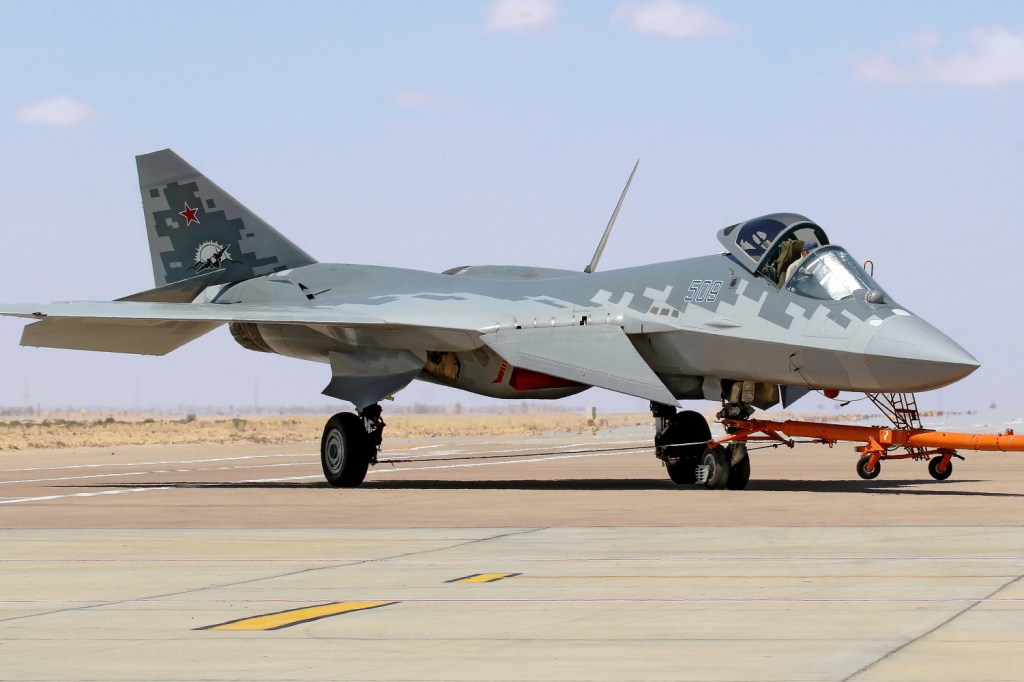
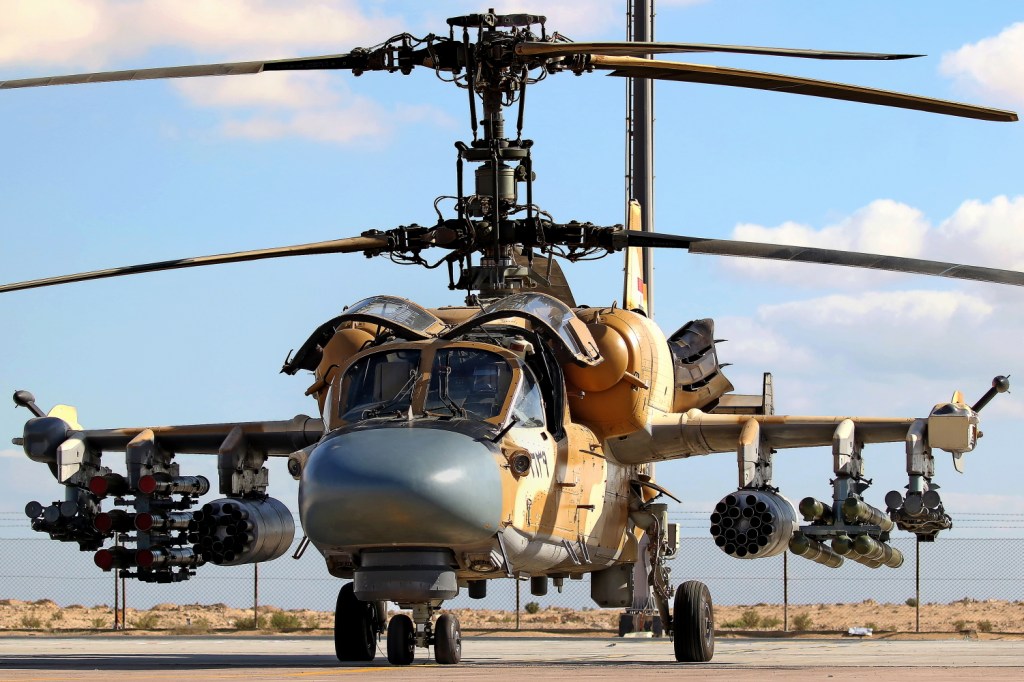
La Russia ha esposto il Sukhoi Su-57E di quinta generazione, uno Yak-130M, versione potenziata che ha effettuato il primo volo un mese prima del salone ed è arrivata smontata a bordo di un Il-76, sempre della Rosoboronexport, e un Ka-52E Alligator, oltre a una vasta gamma di armamenti, munizioni circuitanti (loitering munitions), droni e apparecchiature varie.
Pur essendo stati i cinesi la sorpresa del salone, la star indiscussa dell’EIAS in volo è stato sicuramente il Su-57E, che si è esibito tutti i giorni, anche davanti al Presidente Sisi. Questo la dice lunga sul tentativo della Russia di fare dell’Egitto il secondo acquirente del velivolo dopo l’Algeria.
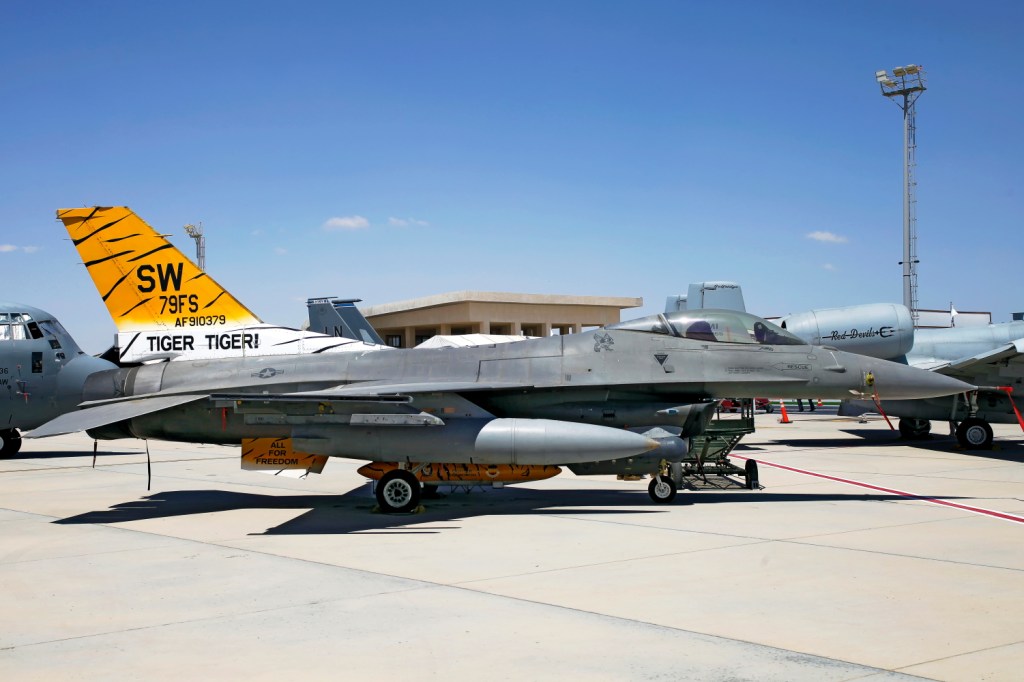
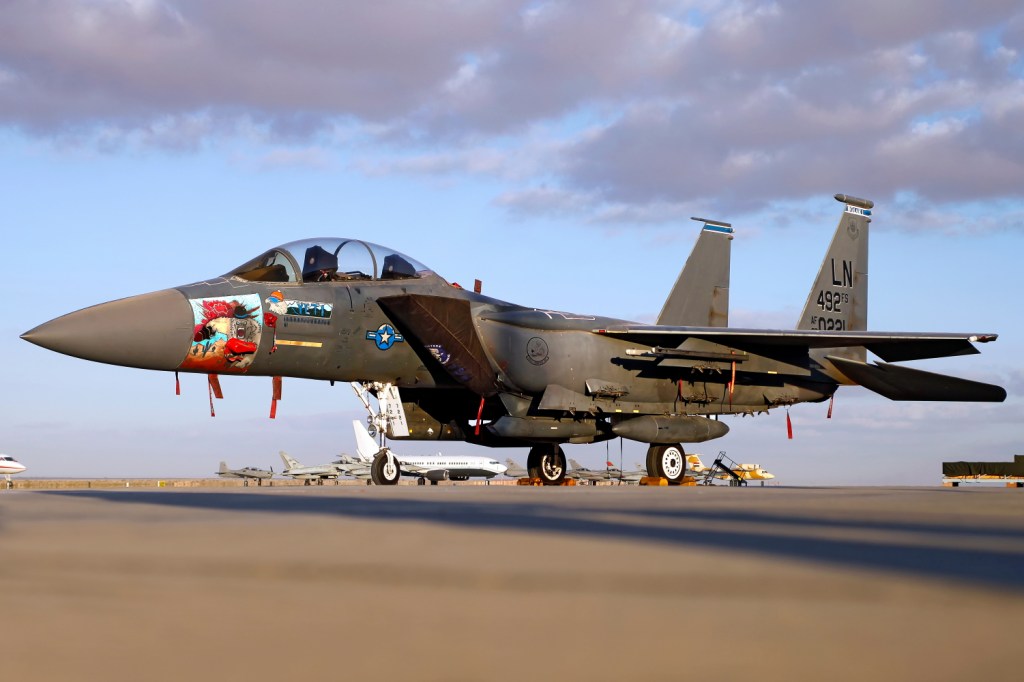
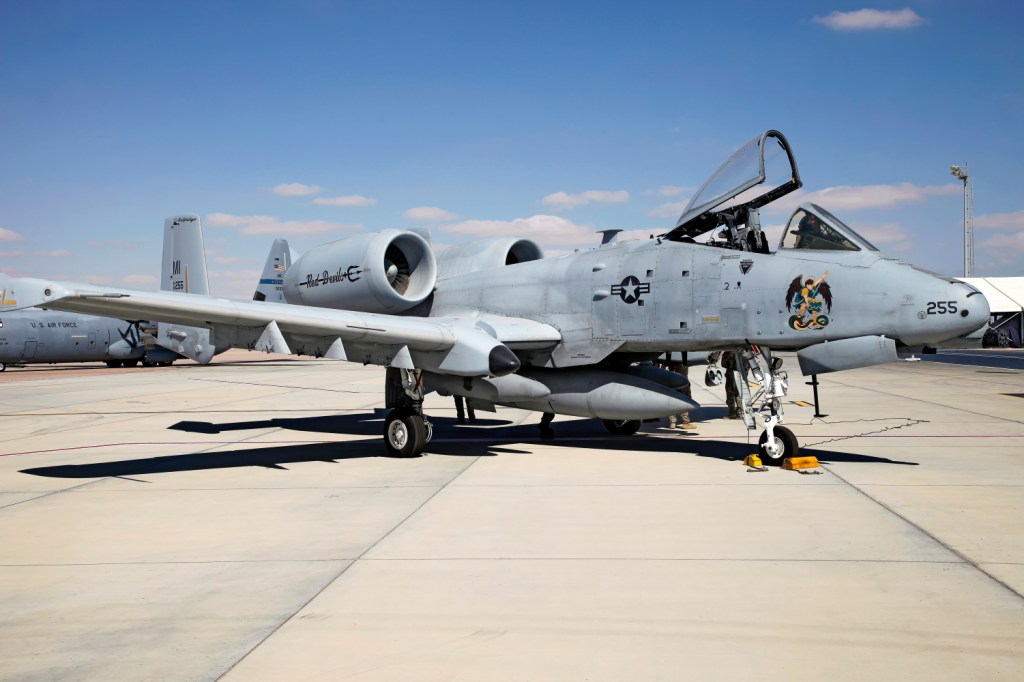
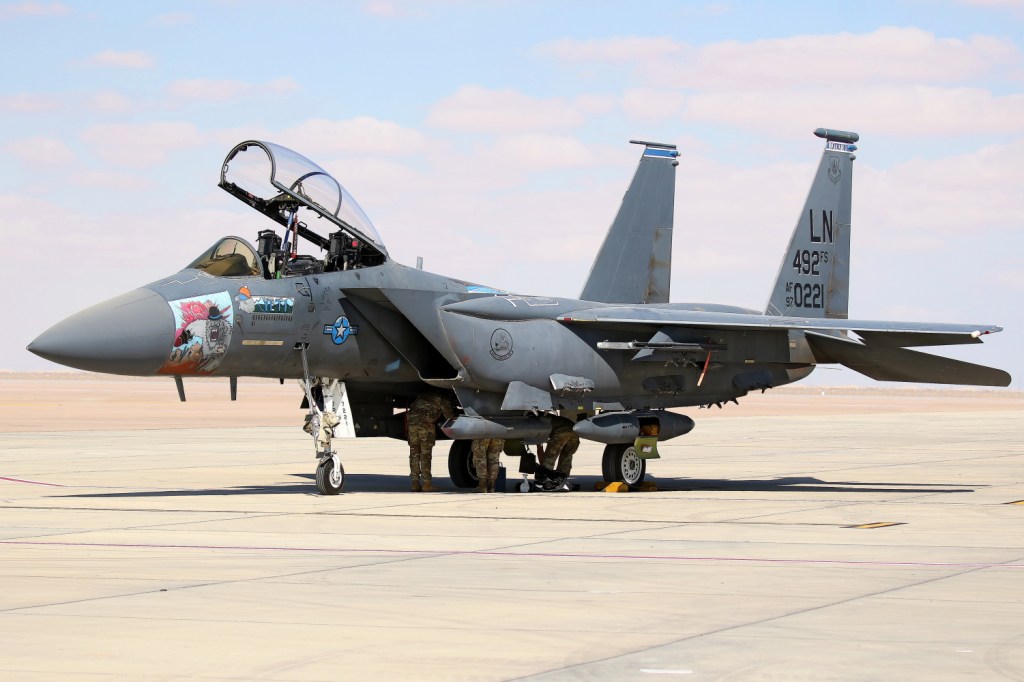
Gli Stati Uniti, invece, come nella scorsa edizione, hanno portato i «vecchietti»: un F-15E, un F-16C e un A-10C. Questi velivoli risultavano però molto interessanti, in quanto recavano i contrassegni di missione relativi al recente conflitto con l’Iran, essendo tutti rischierati nell’area di competenza del Comando Centrale degli Stati Uniti (CENTCOM).
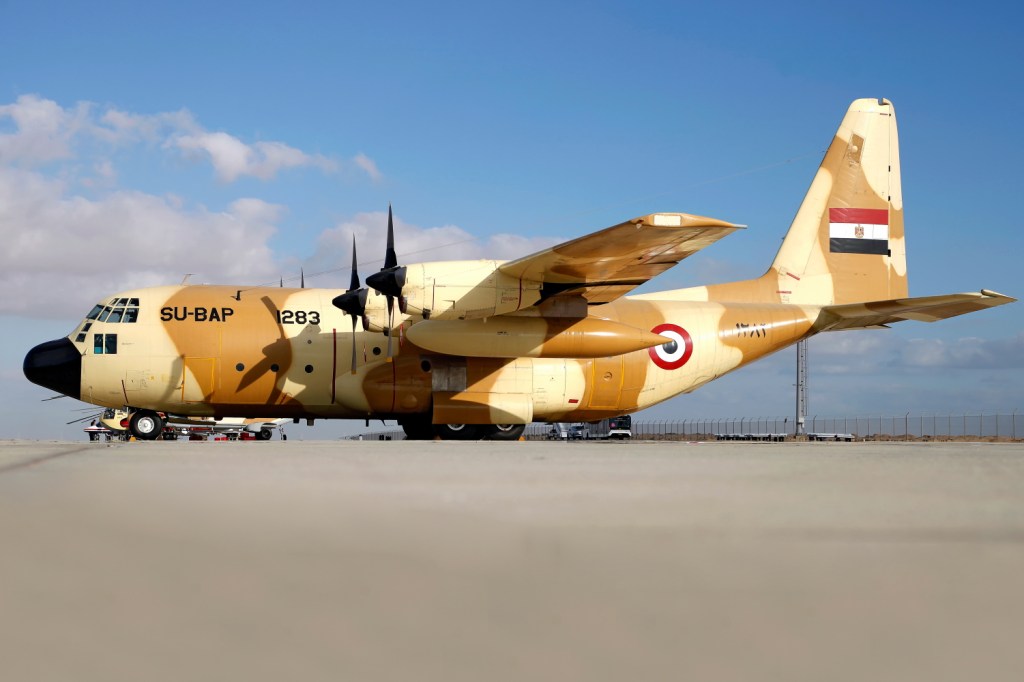
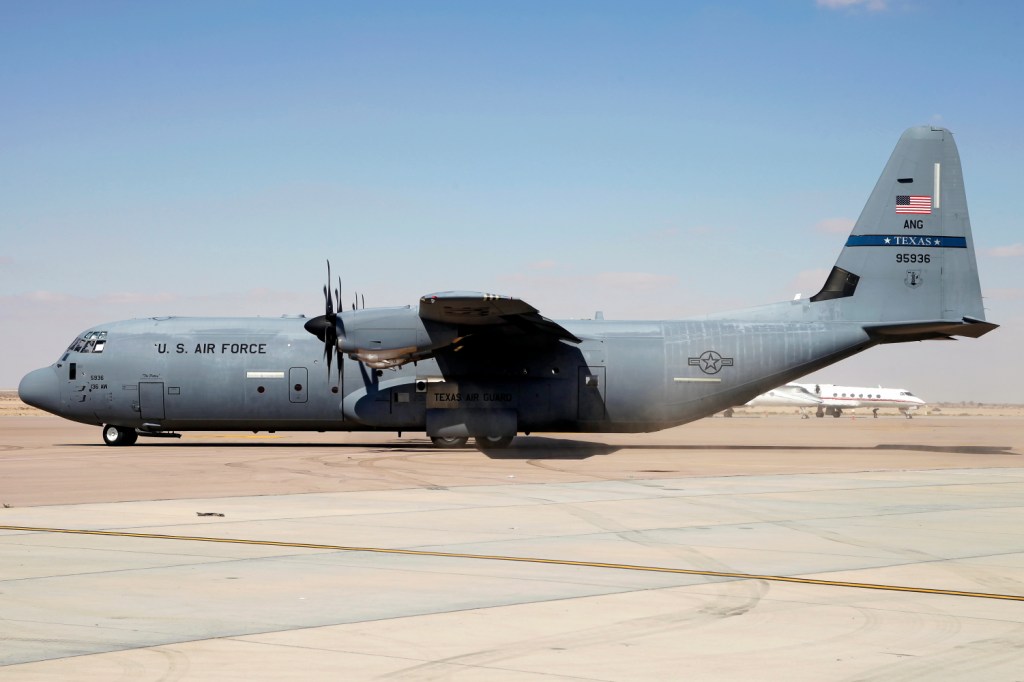
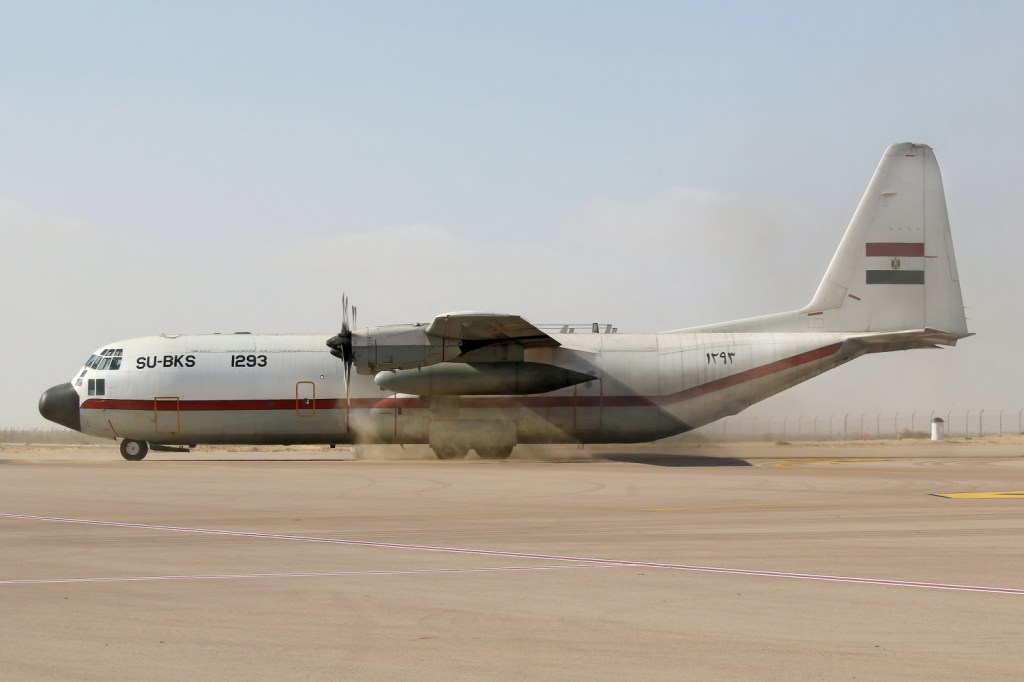
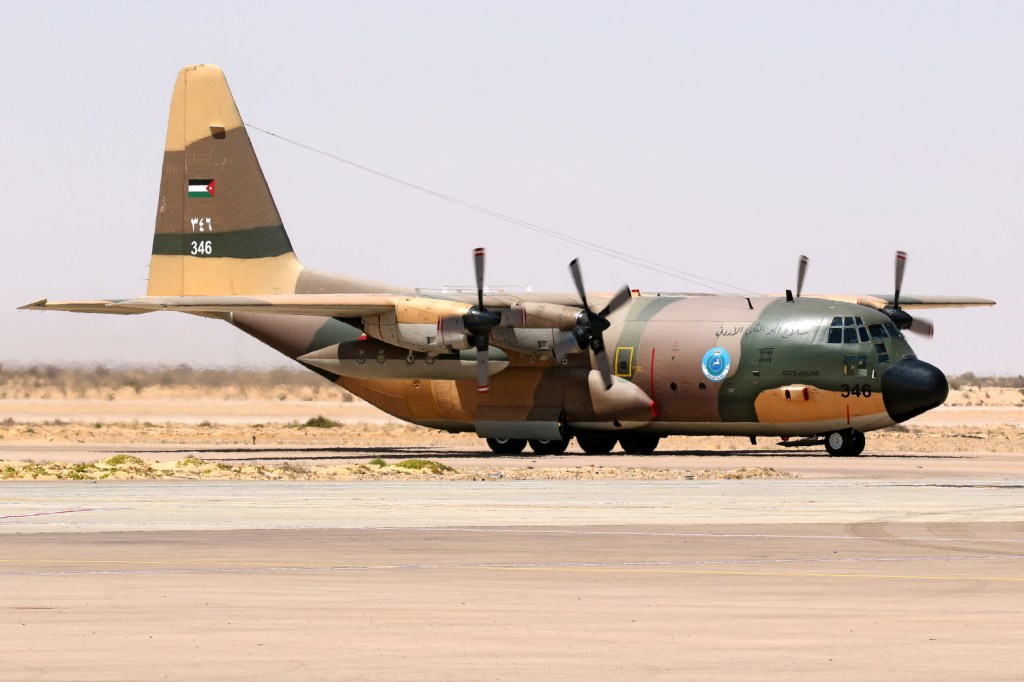
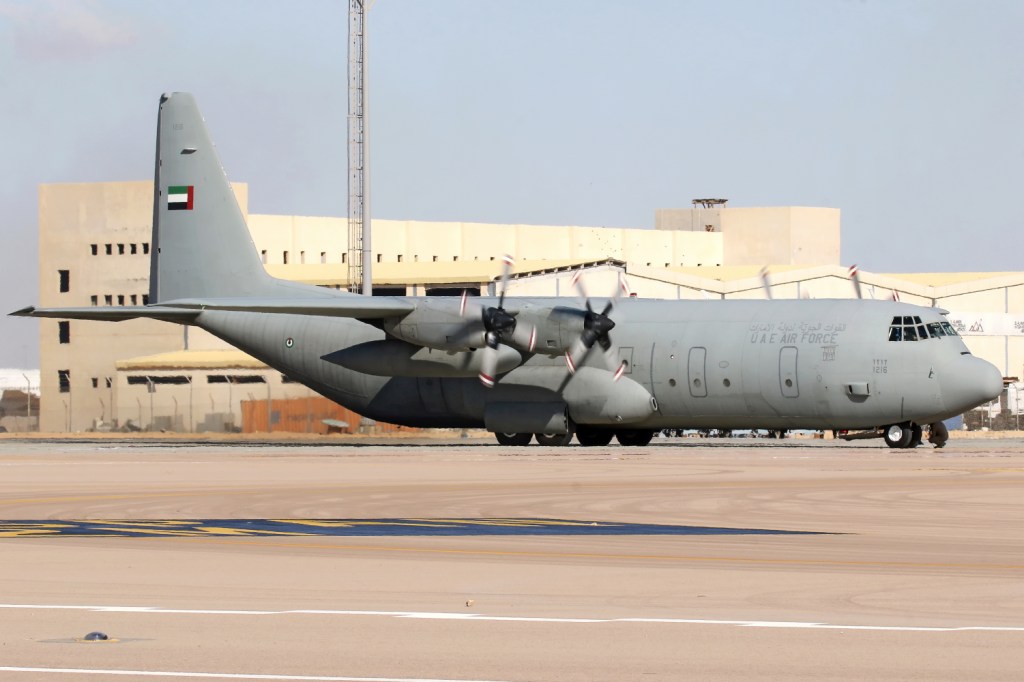
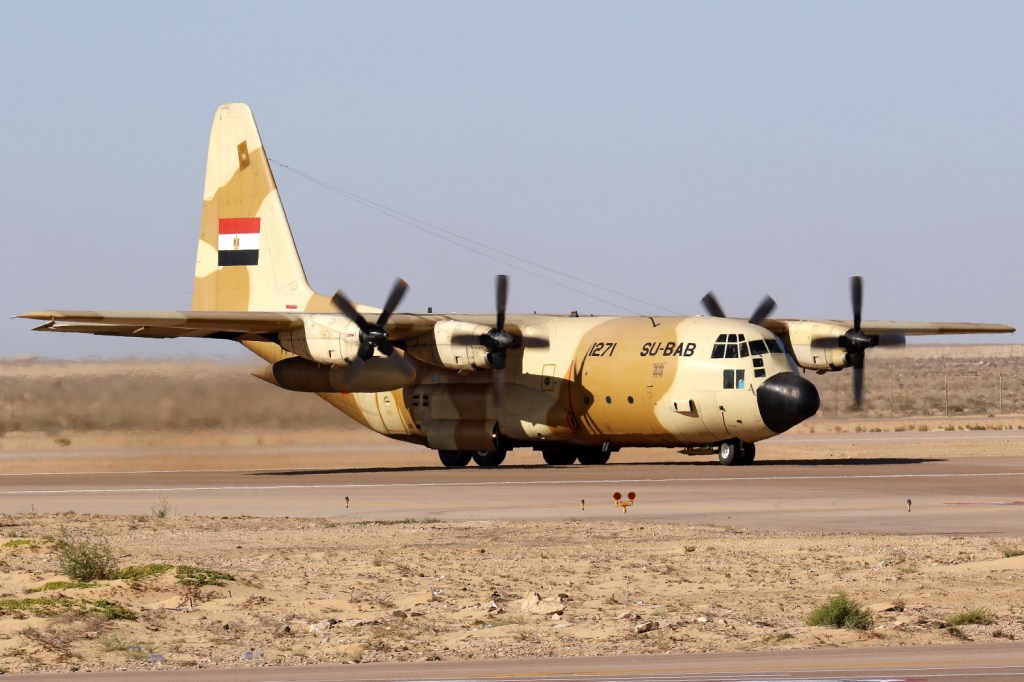
Erano presenti anche due C-130J, nell’ambito del proseguimento dei nuovi contratti di Lockheed Martin con l’Aeronautica Militare egiziana per la sostituzione della vecchia flotta di C-130H, in servizio presso l’EAF da cinquant’anni.
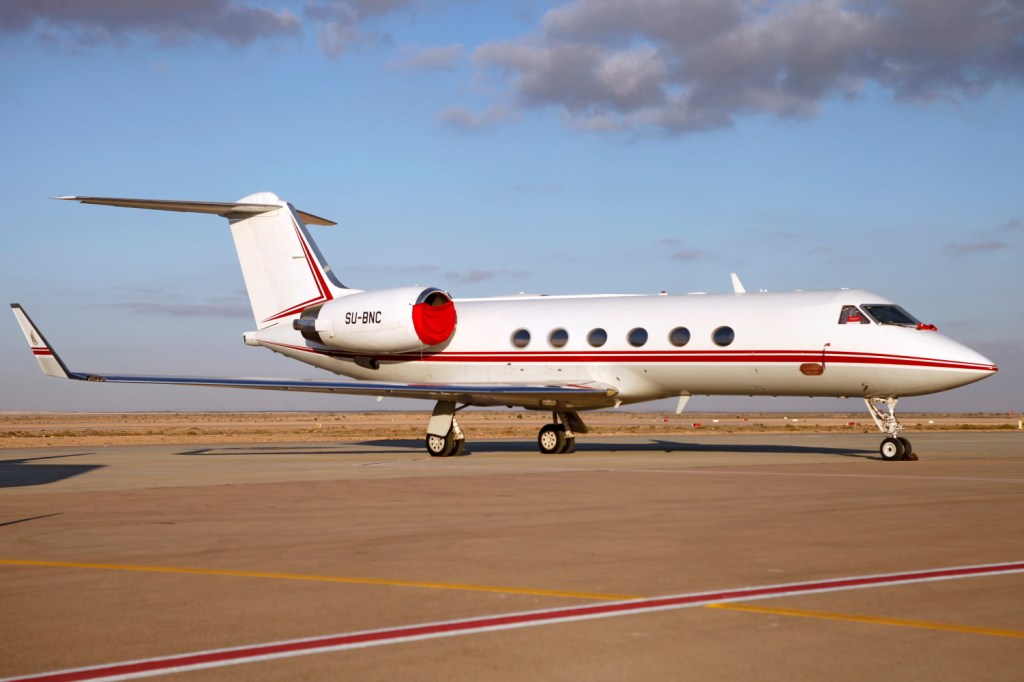
L’unico Paese della zona araba presente in misura meno significativa nell’esposizione statica, ma con una forte presenza negli stand dei padiglioni, sono stati gli Emirati Arabi Uniti. L’industria aerospaziale emiratina è infatti di notevoli dimensioni e ha messo in mostra molti dei propri prodotti.
EDGE ha già venduto in passato bombe a guida laser all’EAF e si appresta a integrare i sistemi Thunder P-31 e P-32 sui Rafale egiziani, analogamente a quanto previsto per i Rafale degli Emirati.
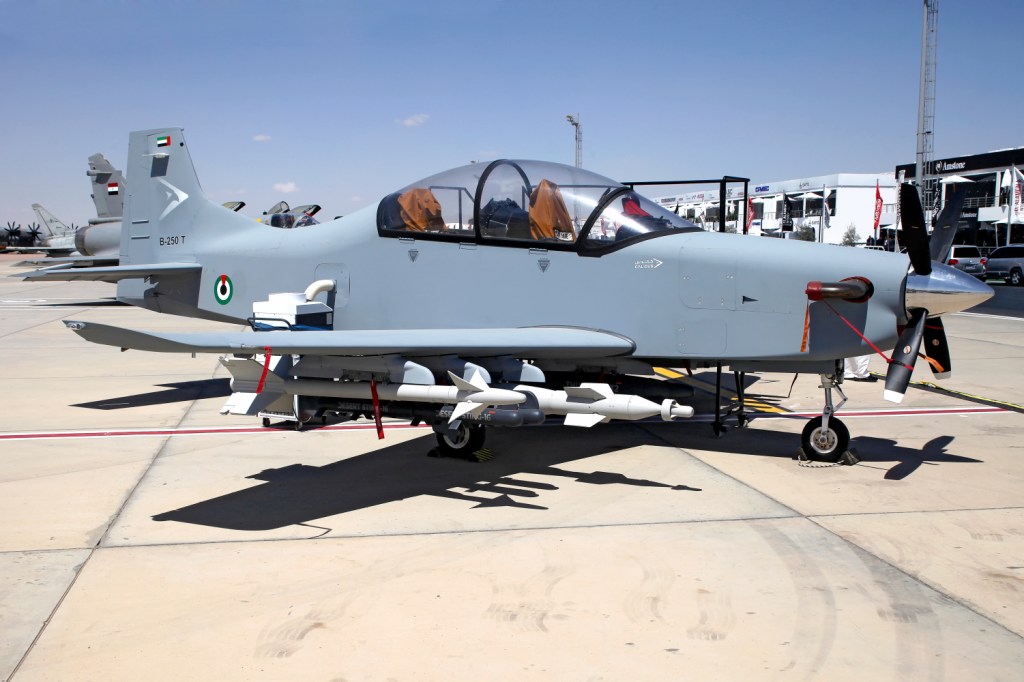
Sembra che l’Egitto sia interessato anche a un certo numero di Calidus B-250T. Per questo motivo, nell’esposizione statica era presente un velivolo equipaggiato con una vasta gamma di armamenti emiratini e recante la sigla B-250E.
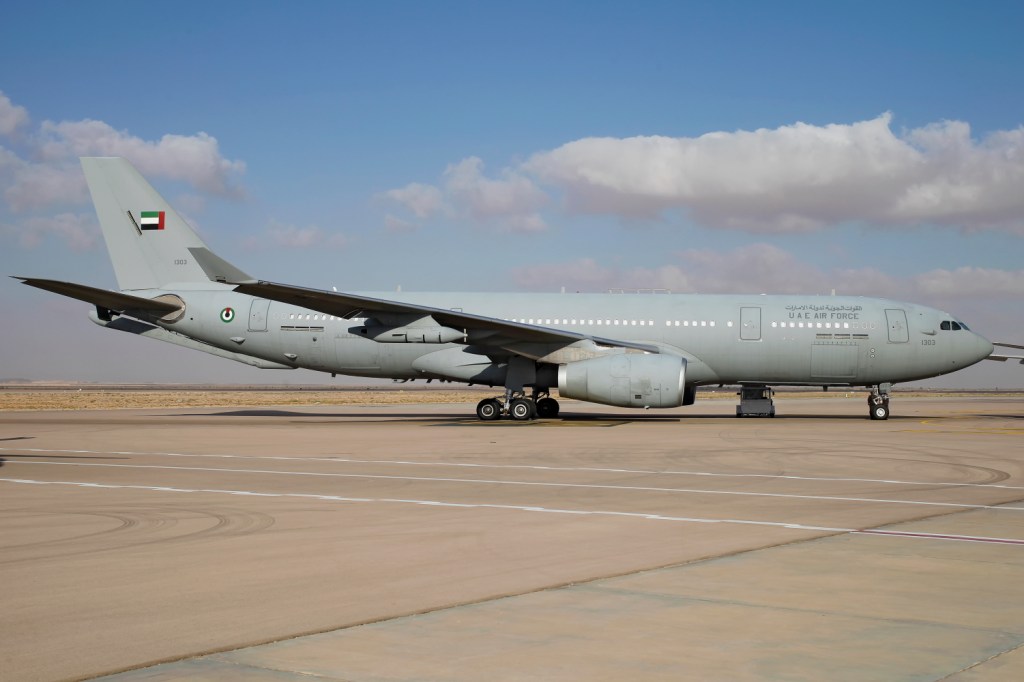
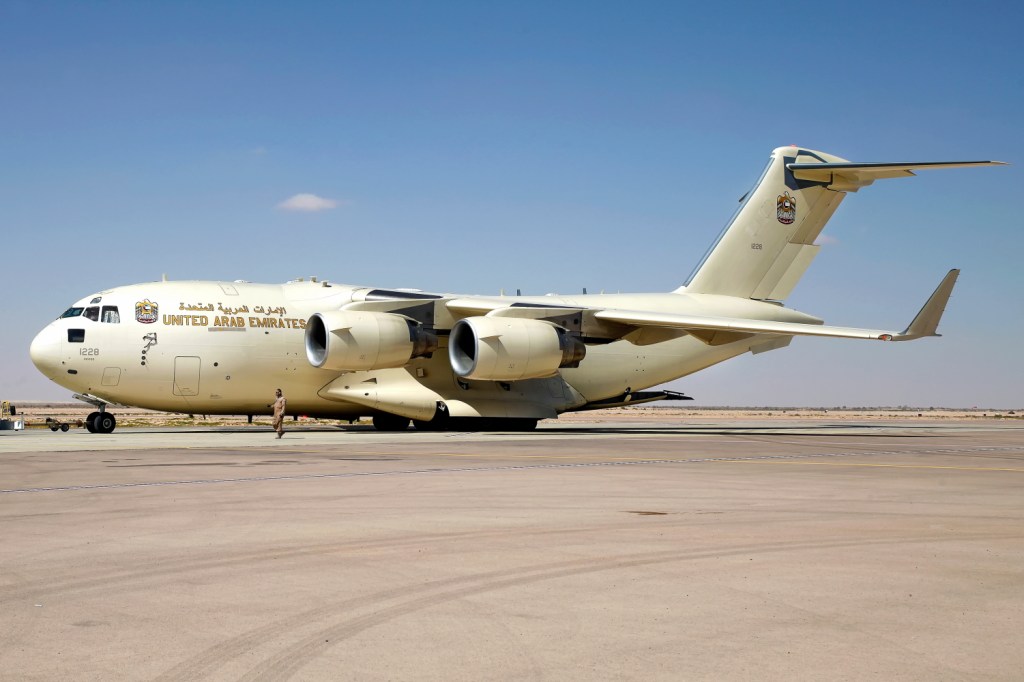
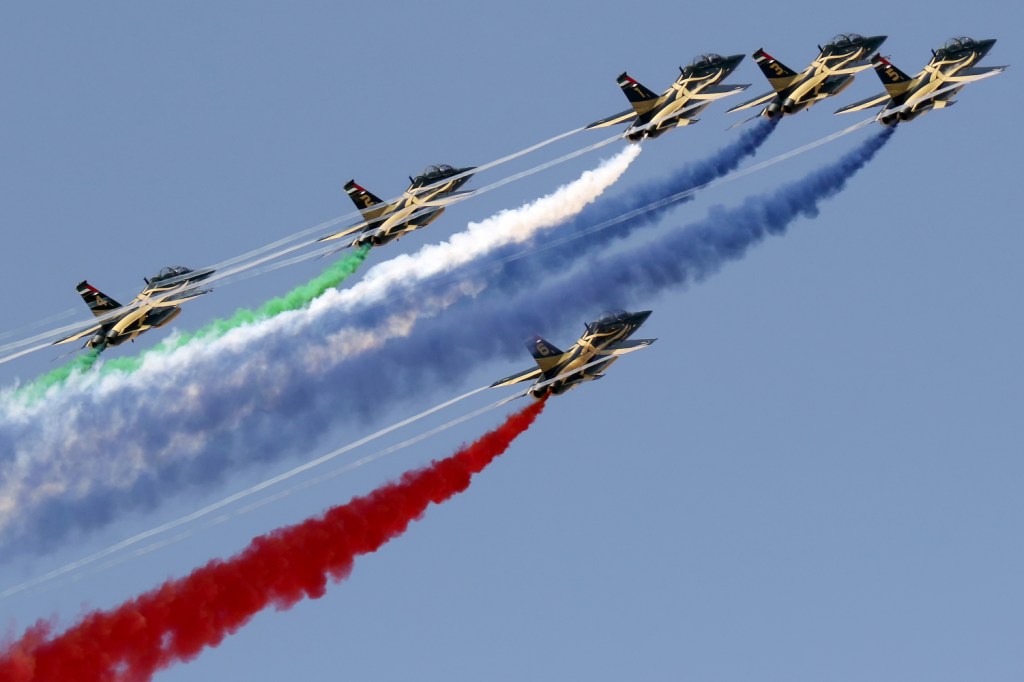
Per il resto, l’UAEAF ha portato al salone una cisterna volante Airbus A330 MRTT e un C-17 in livrea dorata, probabilmente a supporto della pattuglia acrobatica Al Fursan, presente anch’essa con i nuovi L-15.
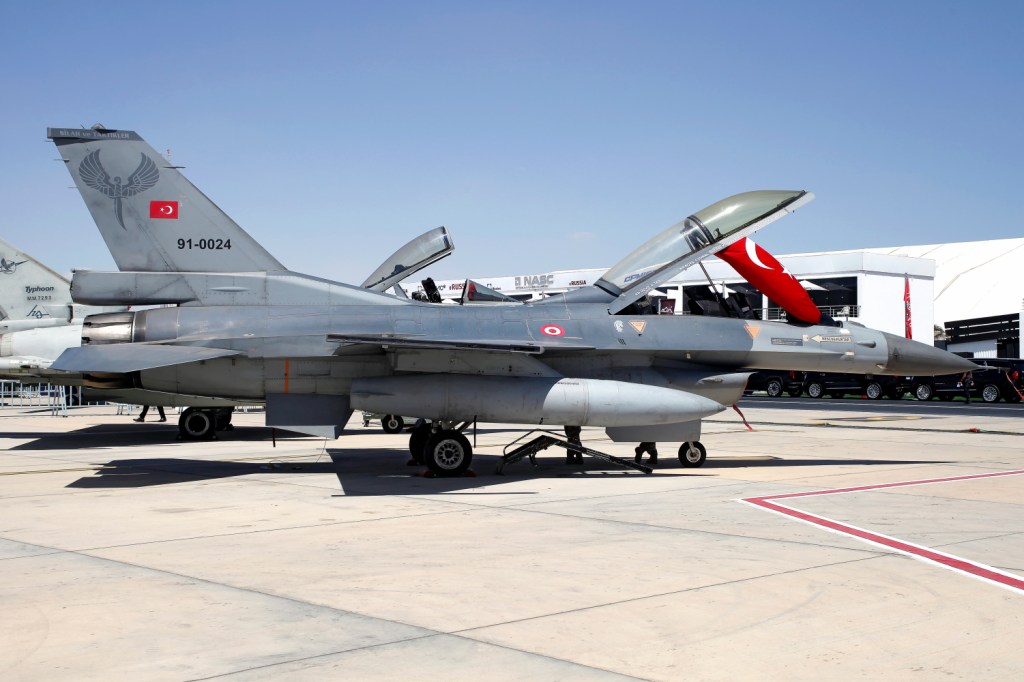
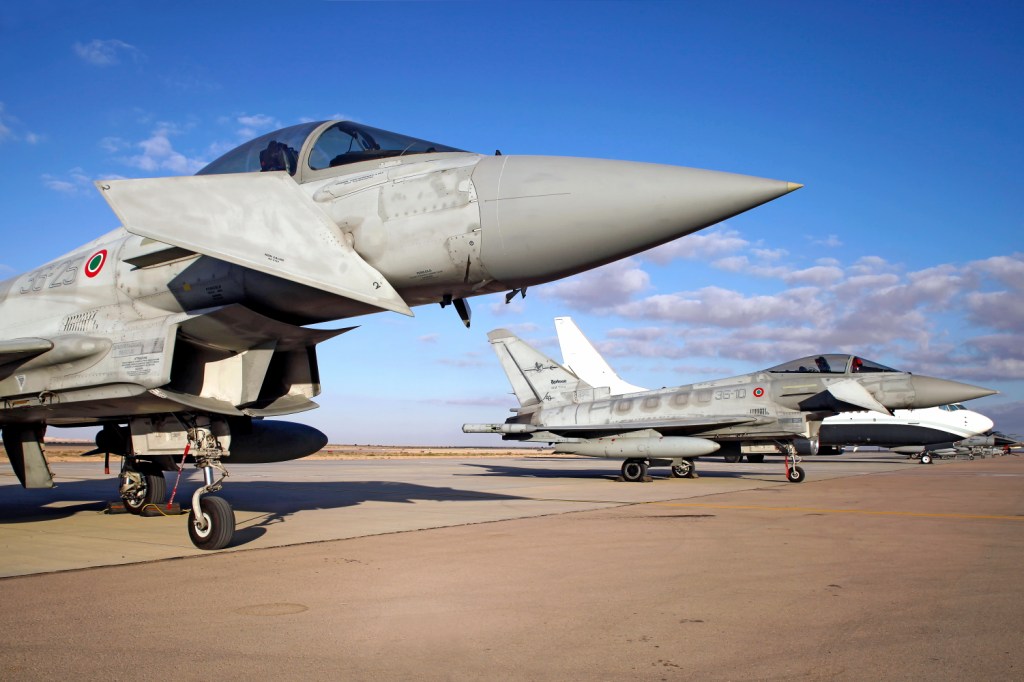
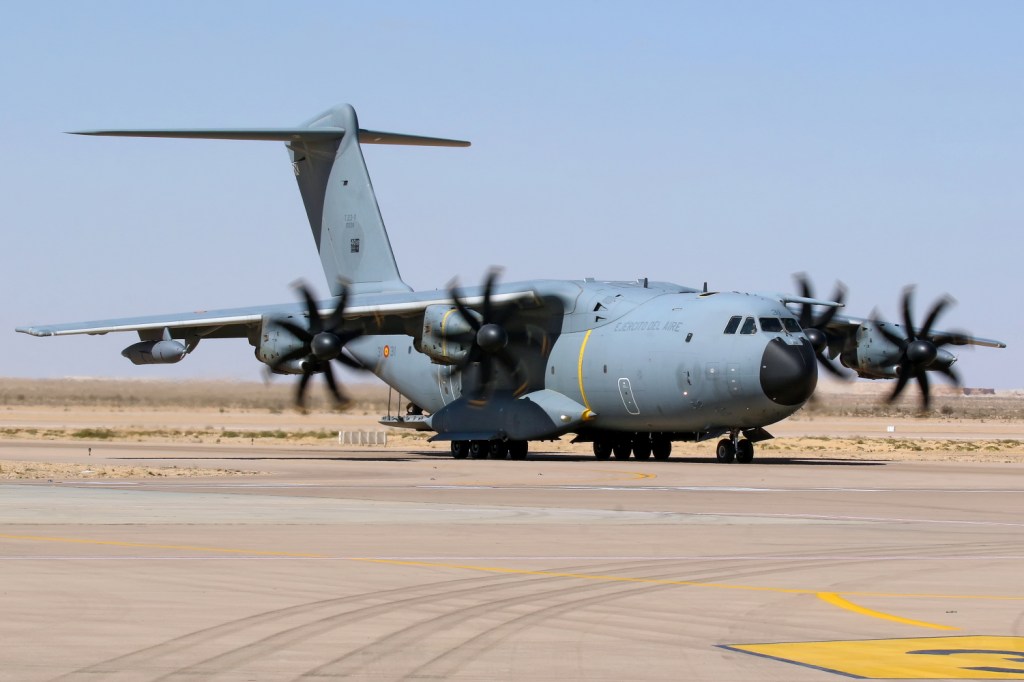
L’Europa, al contrario, era presente in forze minori al salone. Gli unici velivoli in esposizione statica erano due EFA italiani del 36° Stormo, due F-16 turchi e un Airbus A400M spagnolo, che si esibiva anche in volo con uno spettacolo molto emozionante.
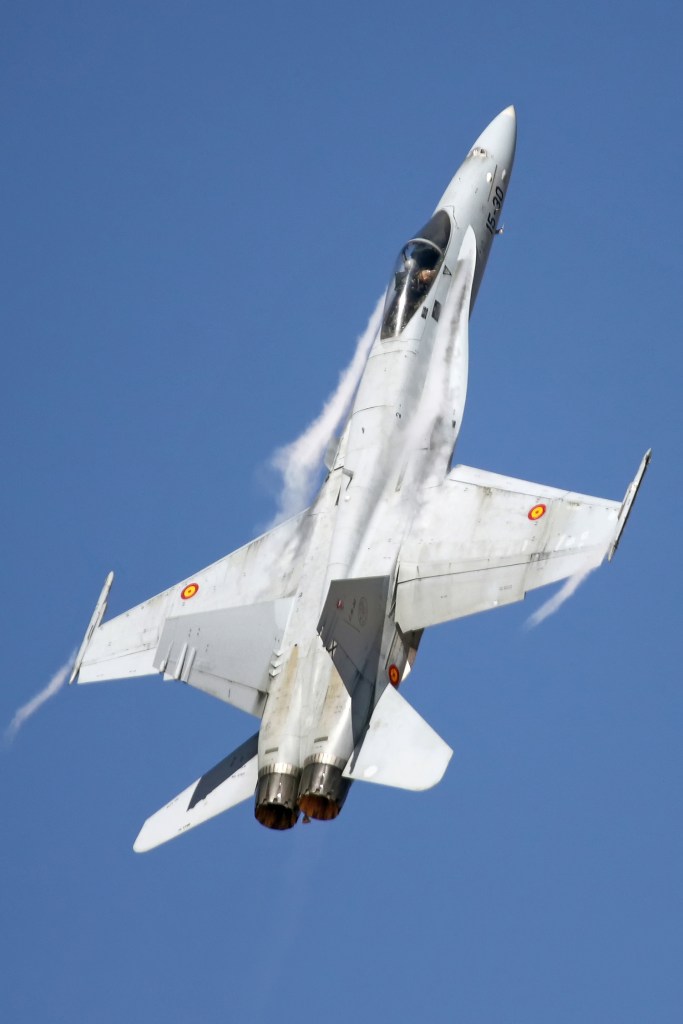
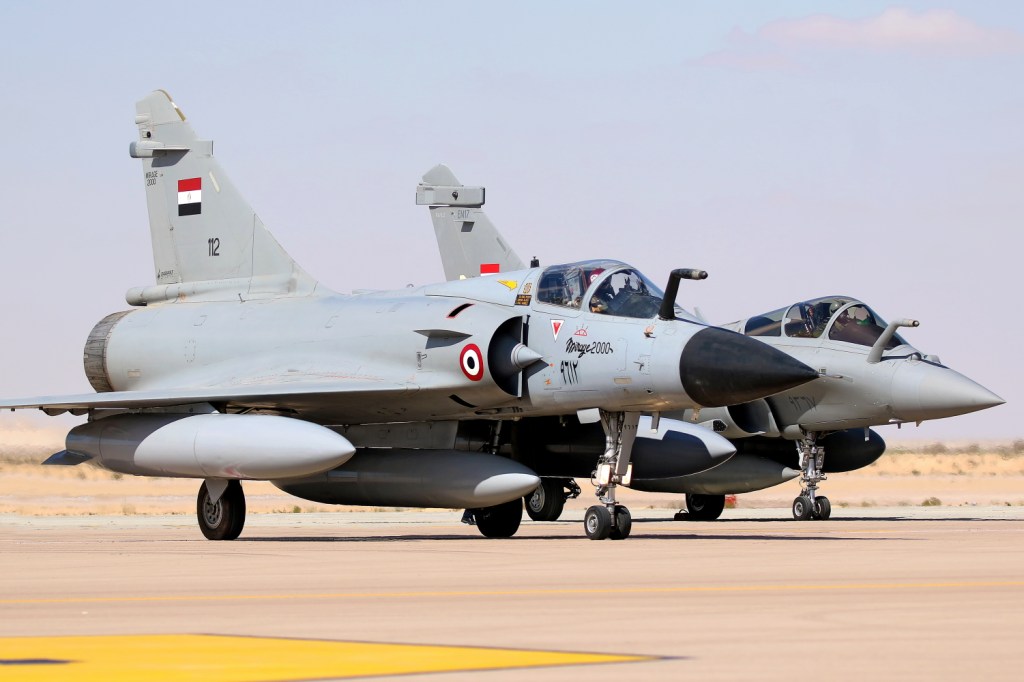
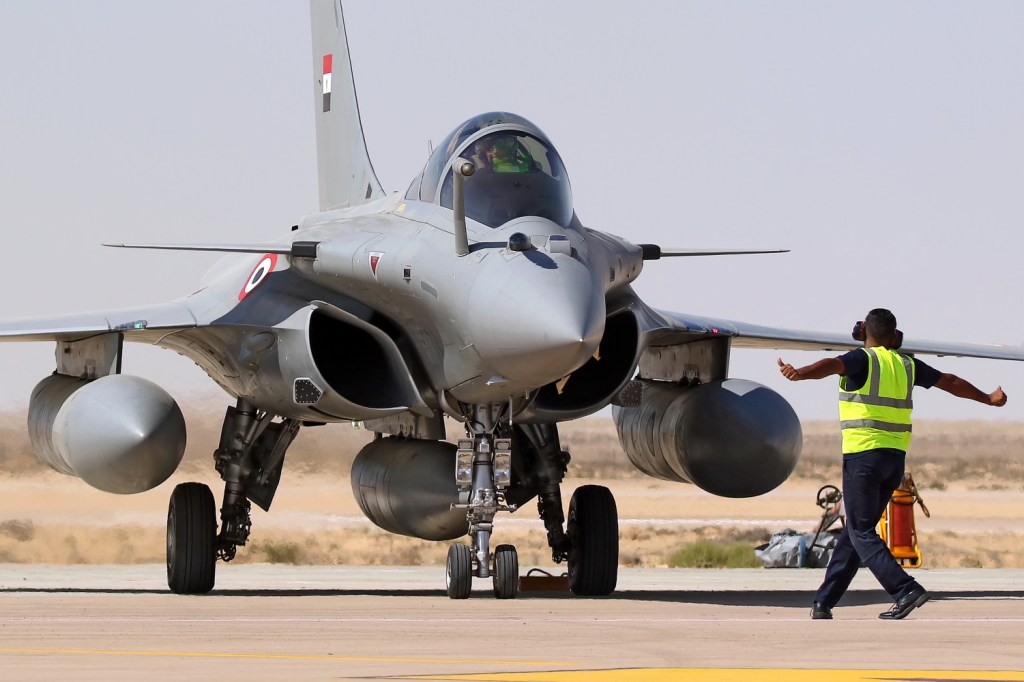
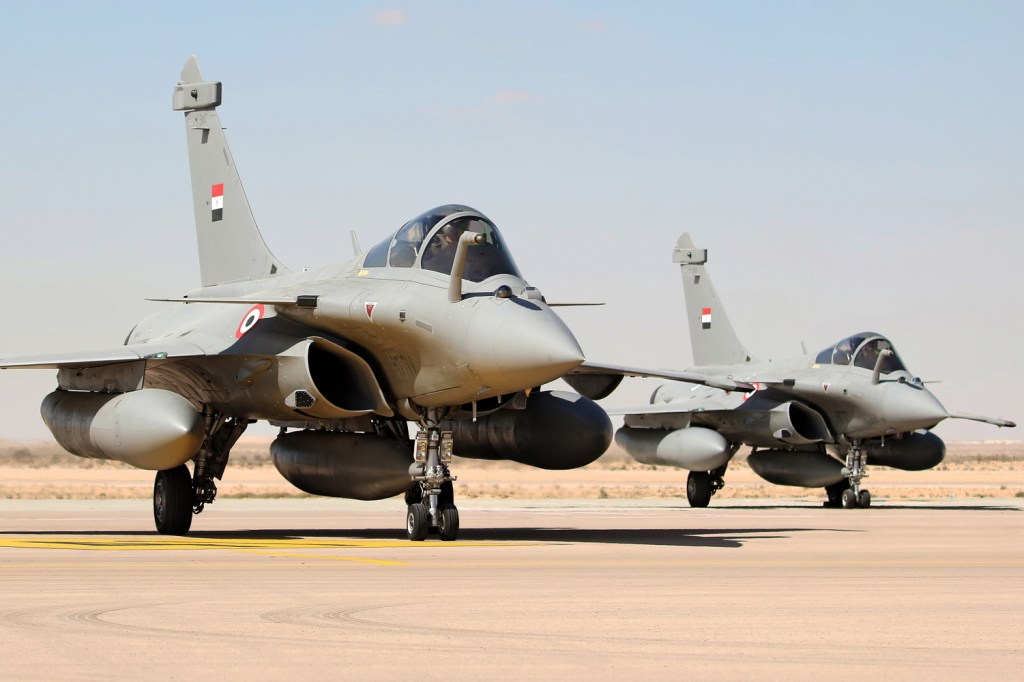
Nella linea di volo dedicata alle esibizioni erano invece presenti l’immancabile Rafale francese, naturalmente presente per celebrare la nuova commessa firmata dall’EAF con la società francese Dassault, e un F-18 spagnolo dell’ALA-15.
A causa del tragico incidente avvenuto nel fine settimana precedente a un F-4 durante l’Athens Flying Week, erano assenti l’F-16 Zeus, che avrebbe dovuto esibirsi, e una coppia di F-4, che avrebbero dovuto essere presenti nell’esposizione statica.
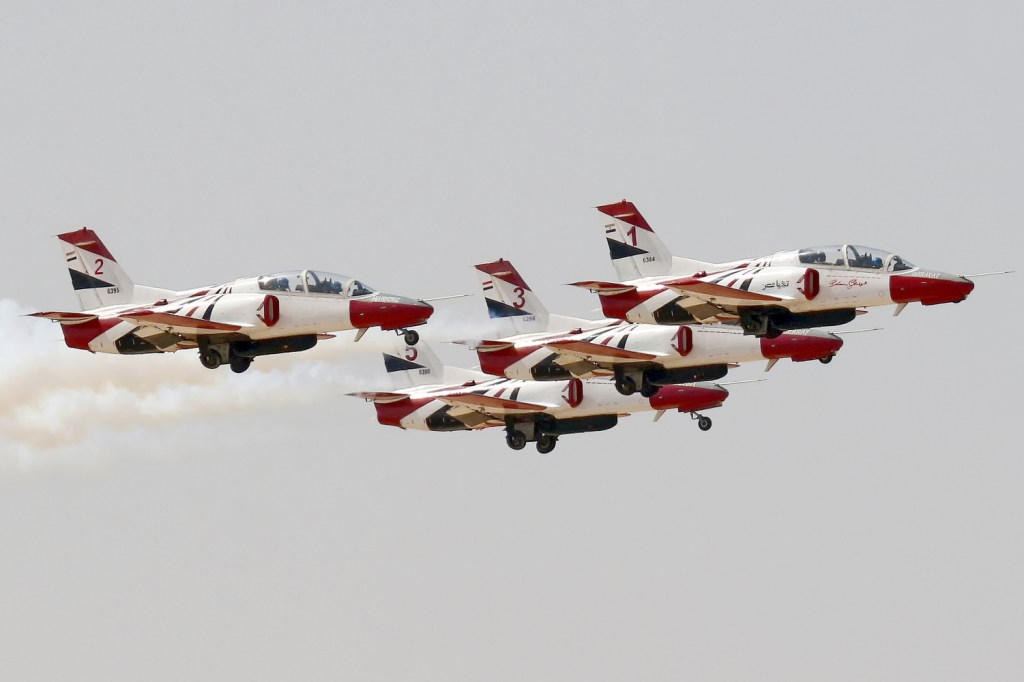
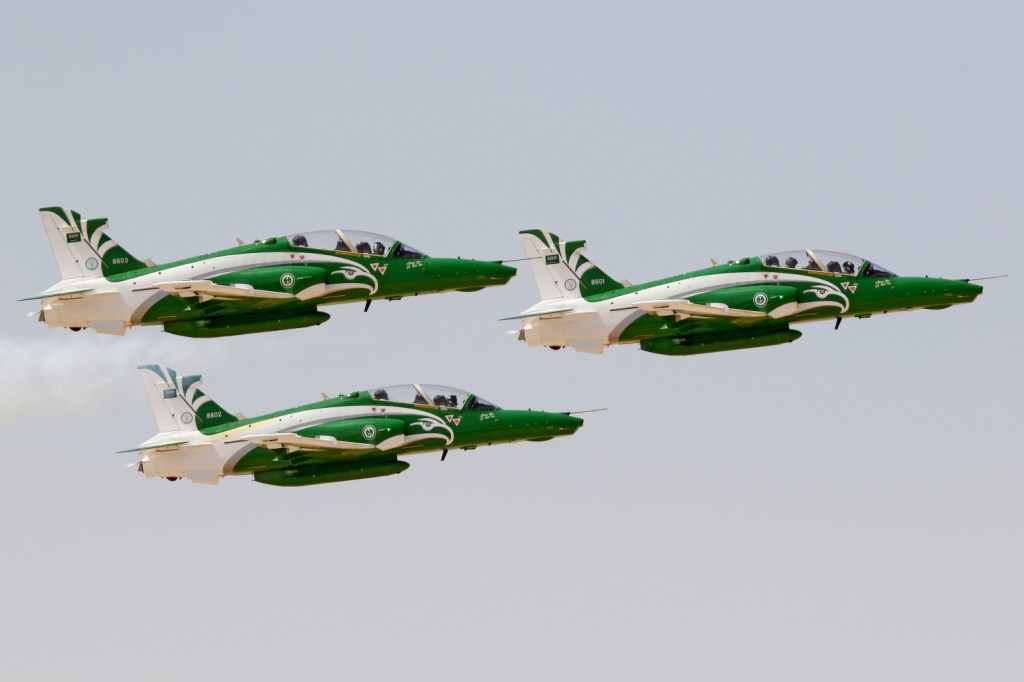
Il pubblico presente all’EIAS 26 ha potuto assistere alle esibizioni di ben cinque pattuglie acrobatiche, che hanno colorato con i loro fumogeni il cielo dell’aeroporto di El Alamein.
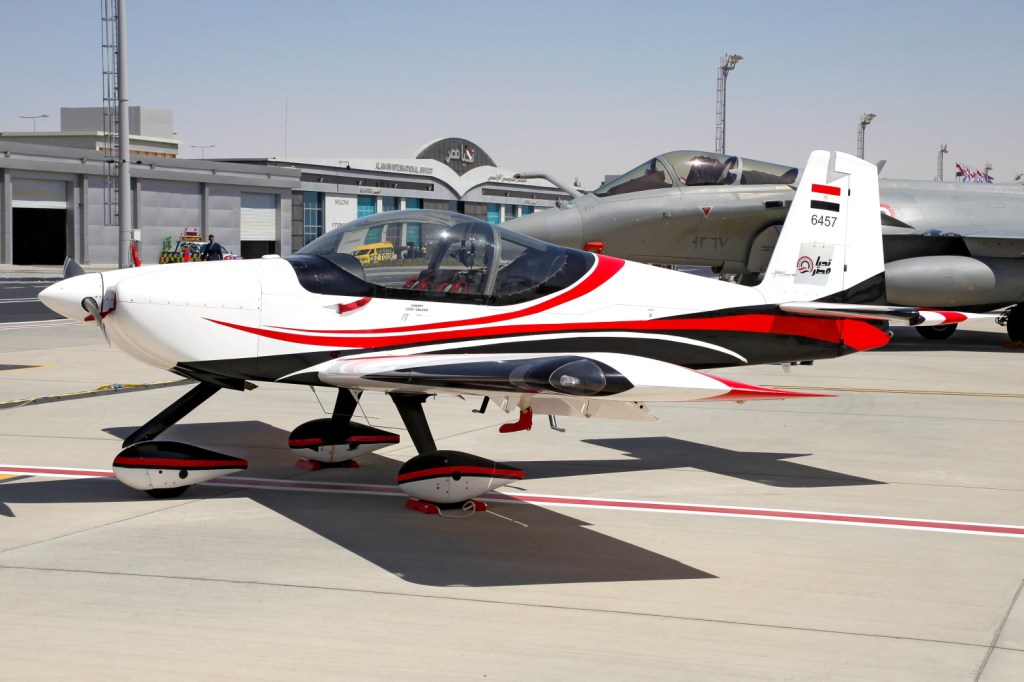
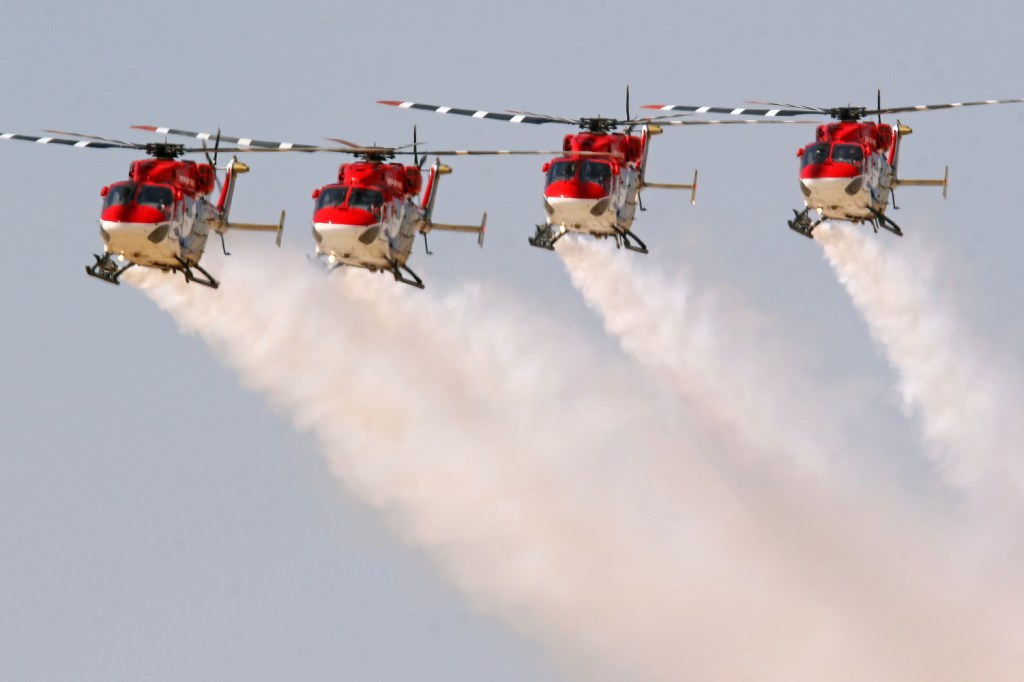
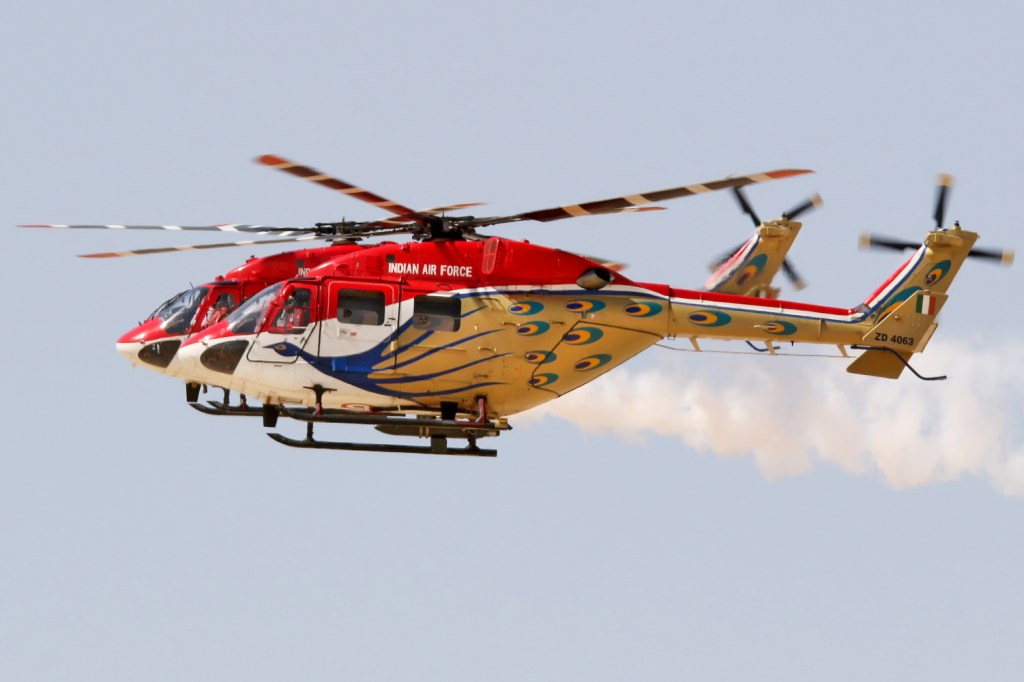
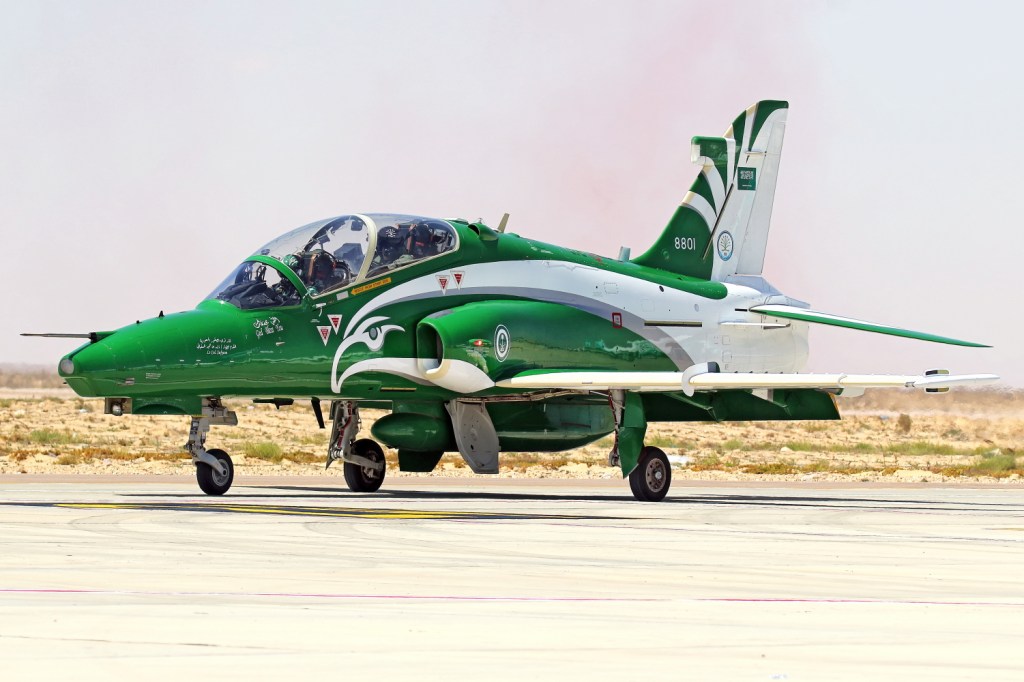
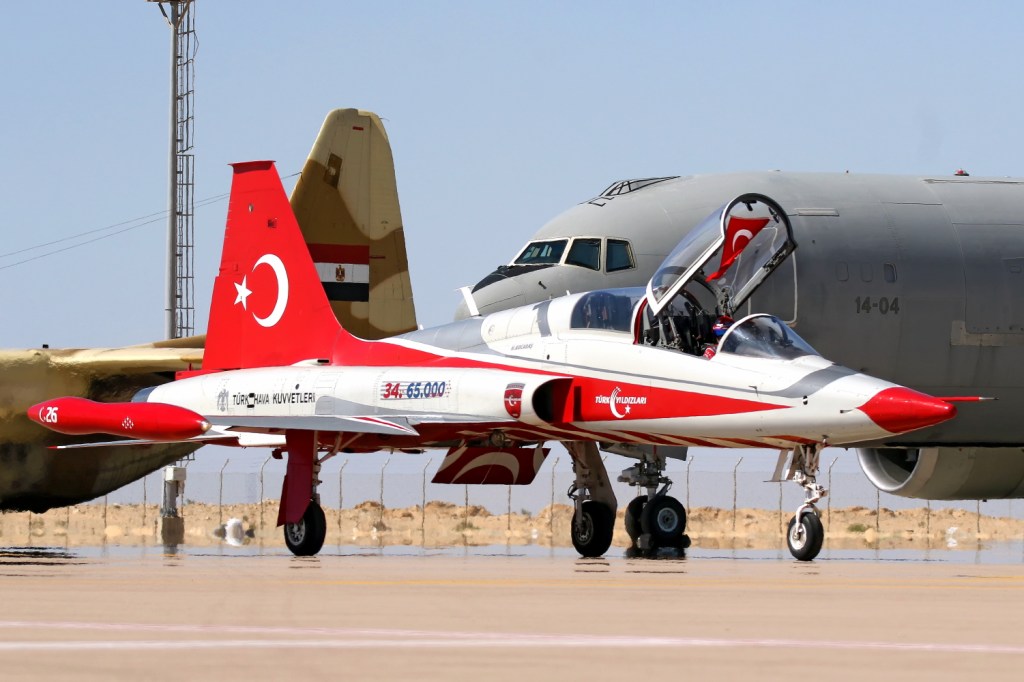
Naturalmente erano presenti i padroni di casa, i Silver Stars, che, come le Frecce Tricolori, volano con dieci aerei; i già citati Al Fursan emiratini; i Saudi Falcons dell’Arabia Saudita; i Turkish Stars della Turchia e i Sarang dell’India.
Per due di queste pattuglie, il salone è stato anche un’occasione per mostrare al pubblico occidentale il passaggio, avvenuto da poco, a un nuovo velivolo.
I Saudi Falcons hanno infatti effettuato il passaggio macchina nel 2025, passando dal BAE Hawk Mk.65 al Hawk Mk.165. La presentazione del primo velivolo risale al febbraio 2024, ma solo all’EIAS 26 si è verificata la sua prima apparizione internazionale.
Anche gli Al Fursan hanno cambiato velivolo alla fine del 2024, passando dal nostro Aermacchi MB-339 al nuovissimo Hongdu L-15 di costruzione cinese. Già alla fine del 2025 si esibivano al Dubai Airshow.
Per loro, nella seconda metà del 2026 è iniziata una tournée in Occidente, conclusasi da qualche giorno, che li ha visti esibirsi in diverse nazioni europee e non, tra cui anche l’Italia.
In conclusione, aggiungiamo che l’EIAS 26 si distingue dai tradizionali saloni aeronautici dedicati alla difesa per il ruolo di primo piano svolto dall’Agenzia Spaziale Egiziana in qualità di co-organizzatore, posizionando l’Egitto come hub per l’integrazione spaziale in Medio Oriente e Africa.
Ciò riflette la più ampia ambizione strategica dell’Egitto di affermarsi come leader regionale all’intersezione tra tecnologie aerospaziali, difesa e settore spaziale.
Per chi vorrà approfondire ulteriormente questa prospettiva, non resta che attendere settembre 2028 per la terza edizione di questo interessantissimo salone.
Foto e Articolo di ©Bonato Mirco & ©Polato Stefano
ENGLISH VERSION
EIAS ( El Alamein International Airshow ) 2026
From 8 to 10 September this year, the second edition of the El Alamein International Airshow (EIAS 26) took place. Three intense days dedicated to innovation, defence, commercial aviation and space technology.
Launched in 2024, the event aims to connect organisations operating in the aerospace and defence sectors across Africa and the Middle East. The airshow was held under the patronage of His Excellency President Abdel Fattah El-Sisi, President of the Arab Republic of Egypt and Supreme Commander of the Armed Forces. It involved the Egyptian Ministry of Defence, the Egyptian Air Force, the Ministry of Civil Aviation, the Egyptian Space Agency and EgyptAir, alongside other industry stakeholders.
EIAS 26 was aimed at professionals in the aerospace and defence sectors, government and military officials, civil aviation authorities, space agencies, airline and aerospace industry professionals, as well as manufacturers, suppliers and distributors operating in the aforementioned fields. Registration, subject to approval, was therefore mandatory to access the various exhibition halls.
The official opening of EIAS 26 took place on 7 September with the Aerospace Future Technology Symposium, a conference bringing together senior military leaders, government ministers, civil aviation authorities, space agencies and international aerospace industry executives.
The symposium opened with an address by Lieutenant General Amr Abdel Rahman Saqr, Commander of the Egyptian Air Force, who offered a strategic perspective on Egypt’s vision for aerospace power, regional security and international defence cooperation. He also examined the role of air power in deterrence, operational readiness and the development of future capabilities.
The symposium also provided an opportunity to examine the technologies, partnerships and strategic priorities shaping the future of the aerospace industry, addressing topics such as artificial intelligence and civil-military integration.
Eighty participating countries, more than 250 exhibitors, over 100 aircraft displayed statically or involved in flying demonstrations, and more than 12,000 attendees across the various delegations: these are the figures behind the second edition, which is establishing itself as a must-attend event on the global calendar.
Thanks to a comprehensive programme featuring flying demonstrations, industry conferences, networking events and technology exhibitions, EIAS 26 provided a high-level platform for launching and showcasing new technologies and capabilities, building relationships with regional government and military stakeholders, connecting with aerospace service providers, airlines and civil aviation authorities, exploring partnership and investment opportunities, strengthening visibility and even positioning organisations within one of the developing aerospace and defence platforms in the region.
Topics addressed at the El Alamein International Airshow 2026 included civil and military aviation, space technologies, Earth observation, aerospace digitalisation, advanced air mobility and regional defence cooperation. For most exhibitors, however, unmanned aerial vehicles (UAVs), together with associated and related systems, were undoubtedly the most prominent products on display and among the most widely promoted.
The tragic accident in Greece the previous week, but above all the current global geopolitical situation, undoubtedly affected participation in the airshow by Arab countries facing a particularly sensitive situation. To compensate for these absences, the organisers decided to involve the Egyptian Armed Forces. As a result, this year’s edition featured a very large number of aircraft belonging to the Egyptian Air Force and Army. Almost half of the aircraft on static display carried Egyptian markings.
The other half belonged to European, Russian, Chinese and American aerospace companies, all seeking to strengthen their ties with the country’s armed forces.
The biggest surprise was undoubtedly the substantial Chinese presence. During the two weeks preceding the airshow, these aircraft had been involved in the joint exercise with the EAF known as Eagles of Civilisation.
The KJ-500 airborne early warning and control aircraft (AWACS), the Xian Y-20 transport aircraft, the Harbin Z-20 naval helicopter and the Chengdu J-16 (the Chinese equivalent of the Su-30) formed the largest deployment of People’s Liberation Army Air Force (PLAAF) aircraft ever seen at an airshow outside China.
China’s presence, both in the static display area and in the exhibition halls through CATIC, demonstrated the importance of the Egyptian market to Beijing. Following numerous Chengdu F-7 orders in the past, China has been unable to secure any further contracts and is now looking to re-establish a strong foothold in Egypt.
Russia displayed the fifth-generation Sukhoi Su-57E, a Yak-130M, an upgraded version that made its maiden flight one month before the airshow and arrived disassembled aboard an Il-76, also operated by Rosoboronexport, and a Ka-52E Alligator. These aircraft were accompanied by a wide range of weapons, loitering munitions, drones and various other pieces of equipment.
Although the Chinese contingent was the surprise of the show, the undisputed star of EIAS 26’s flying displays was the Su-57E, which performed every day, including in front of President Sisi. This speaks volumes about Russia’s efforts to make Egypt the aircraft’s second customer after Algeria.
The United States, meanwhile, brought along its “old-timers”, just as it had at the previous edition: an F-15E, an F-16C and an A-10C. These aircraft were nevertheless particularly interesting because they carried mission markings associated with the recent conflict with Iran, having all been deployed within the area of responsibility of the United States Central Command (CENTCOM).
Two C-130Js were also present, reflecting Lockheed Martin’s ongoing contracts with the Egyptian Air Force to replace the ageing fleet of C-130Hs, which have been in service with the EAF for fifty years.
The only Arab country with a less prominent presence in the static display area, but a substantial representation in the exhibition halls, was the United Arab Emirates. The Emirati aerospace industry is considerable in size and showcased many of its products.
EDGE has previously sold laser-guided bombs to the EAF and is preparing to integrate the Thunder P-31 and P-32 systems onto Egyptian Rafales, following a similar plan for the UAE’s Rafale fleet.
Egypt is also reportedly interested in acquiring a number of Calidus B-250Ts. For this reason, a B-250E-marked aircraft equipped with a wide range of Emirati weapons was presented in the static display.
For its part, the UAEAF brought an Airbus A330 MRTT tanker aircraft and a C-17 in a gold livery, probably in support of the Al Fursan aerobatic team, which was also present with its new L-15 aircraft.
Europe, by contrast, had a more limited presence at the airshow. The only aircraft on static display were two Italian EFA fighters from the 36th Wing, two Turkish F-16s and a Spanish Airbus A400M, which also performed a very impressive flying demonstration.
The flying display line-up also featured the ever-present French Rafale, naturally there to mark the new order signed by the EAF with French company Dassault, and a Spanish F-18 from ALA-15.
Following the tragic F-4 accident at the Athens Flying Week during the preceding weekend, the F-16 Zeus, which had been scheduled to perform, and a pair of F-4s intended for the static display were absent.
Visitors to EIAS 26 were able to watch five aerobatic teams paint the skies above El Alamein Airport with their coloured smoke trails.
Naturally, the host nation’s Silver Stars were present. Like Italy’s Frecce Tricolori, they fly with ten aircraft. The line-up also included the previously mentioned Emirati Al Fursan, Saudi Arabia’s Saudi Falcons, Turkey’s Turkish Stars and India’s Sarang.
For two of these teams, the airshow also provided an opportunity to introduce Western audiences to aircraft they had only recently begun operating.
The Saudi Falcons transitioned to a new aircraft in 2025, moving from the BAE Hawk Mk.65 to the Hawk Mk.165. The first aircraft was unveiled in February 2024, but its first international appearance took place only at EIAS 26.
The Al Fursan also changed aircraft in late 2024, moving from the Italian-made Aermacchi MB-339 to the brand-new Chinese-built Hongdu L-15. By late 2025, the team was already performing at the Dubai Airshow.
In the second half of 2026, the team embarked on a tour of Western countries, which concluded just a few days ago and saw it perform in several European and non-European nations, including Italy.
In conclusion, EIAS 26 stands apart from traditional defence-focused airshows thanks to the leading role played by the Egyptian Space Agency as co-organiser, positioning Egypt as a hub for space integration in the Middle East and Africa.
This reflects Egypt’s broader strategic ambition to establish itself as a regional leader at the intersection of aerospace technologies, defence and the space sector.
For those wishing to explore this perspective further, the next opportunity will be the third edition of this particularly interesting airshow, scheduled for September 2028.
Photos and article by ©Mirco Bonato & ©Stefano Polato
Video Ufficiale El Alamein International Airshow


Rispondi